
Log #10 - Winter Shutdown
Mid-November 2025 - Early Winter
Winter had made the decision for us. Night-time temperatures were consistently around minus two to minus four. Ice formed on the inside of windows. It was damp, dreary and daylight had shrunk to the point where meaningful progress was measured in minutes rather than hours.
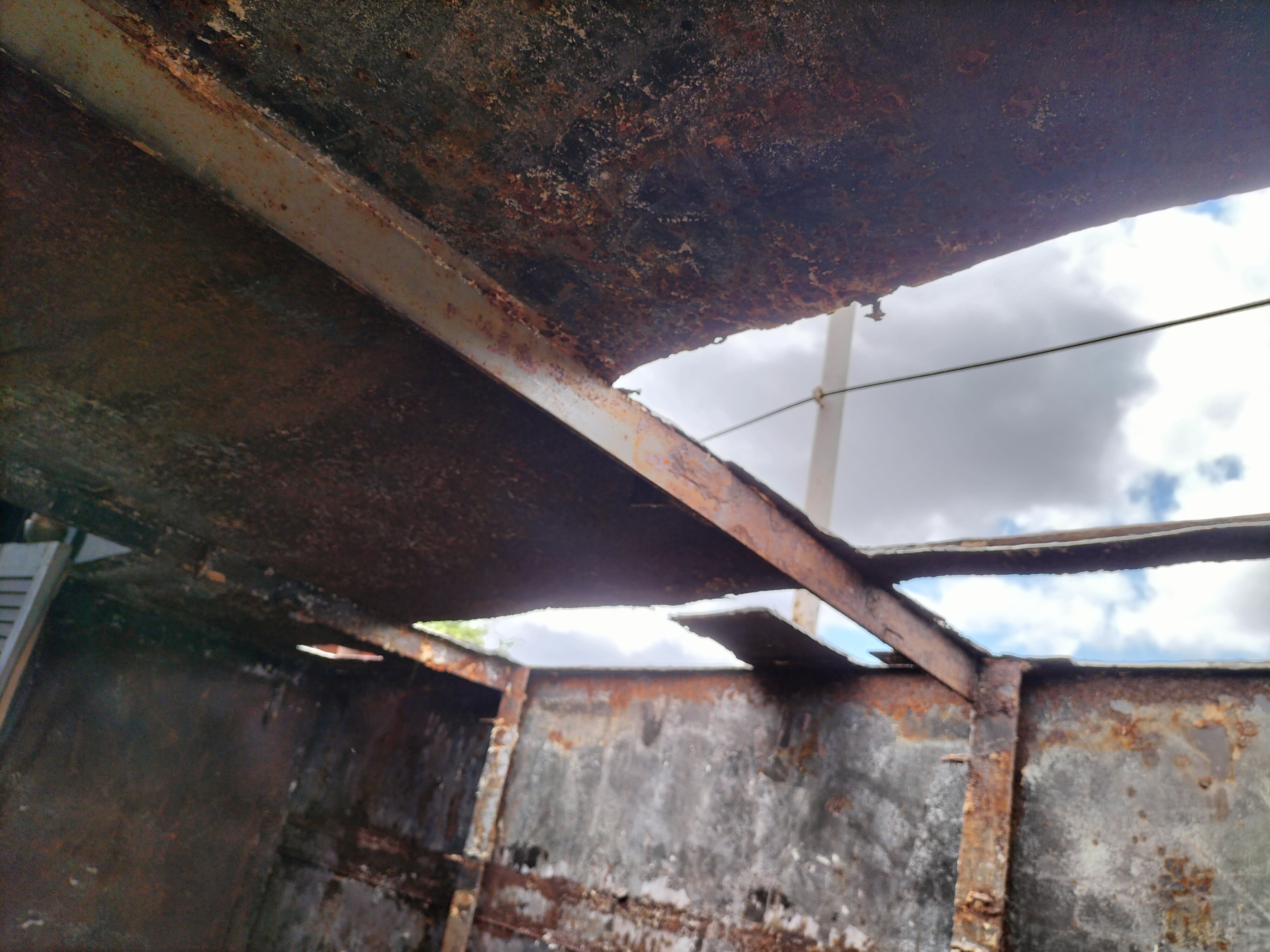
Add to that other, equally important work commitments, and the value of travelling from Manchester to Stourport-on-Severn began to outweigh what could realistically be achieved once there.
Of course, we had expected this. It wasn’t a jolt.
The likelihood of a winter shutdown had been discussed well in advance, so when it arrived it felt less like defeat and more like an agreed pause. In a strange way, it was a welcome break — a chance to stop pushing against conditions that were no longer negotiable.
It is now mid-January 2026, and the desire to return is strong. Unfortunately, so is the rain, which simply hasn’t stopped.
We know the boat has taken on water — but nothing like the volumes she did before the work earlier in the year. That, at least, is progress. The structure has held, the worst vulnerabilities have been addressed, and confidence remains intact. When conditions improve, meaningful work can resume without having to undo months of damage first.
This is the reality of working on boats in the UK. At best, you get a nine-month year, and even that is optimistic. A significant portion of it is lost to weather, daylight, or tasks that simply cannot be rushed without consequence.
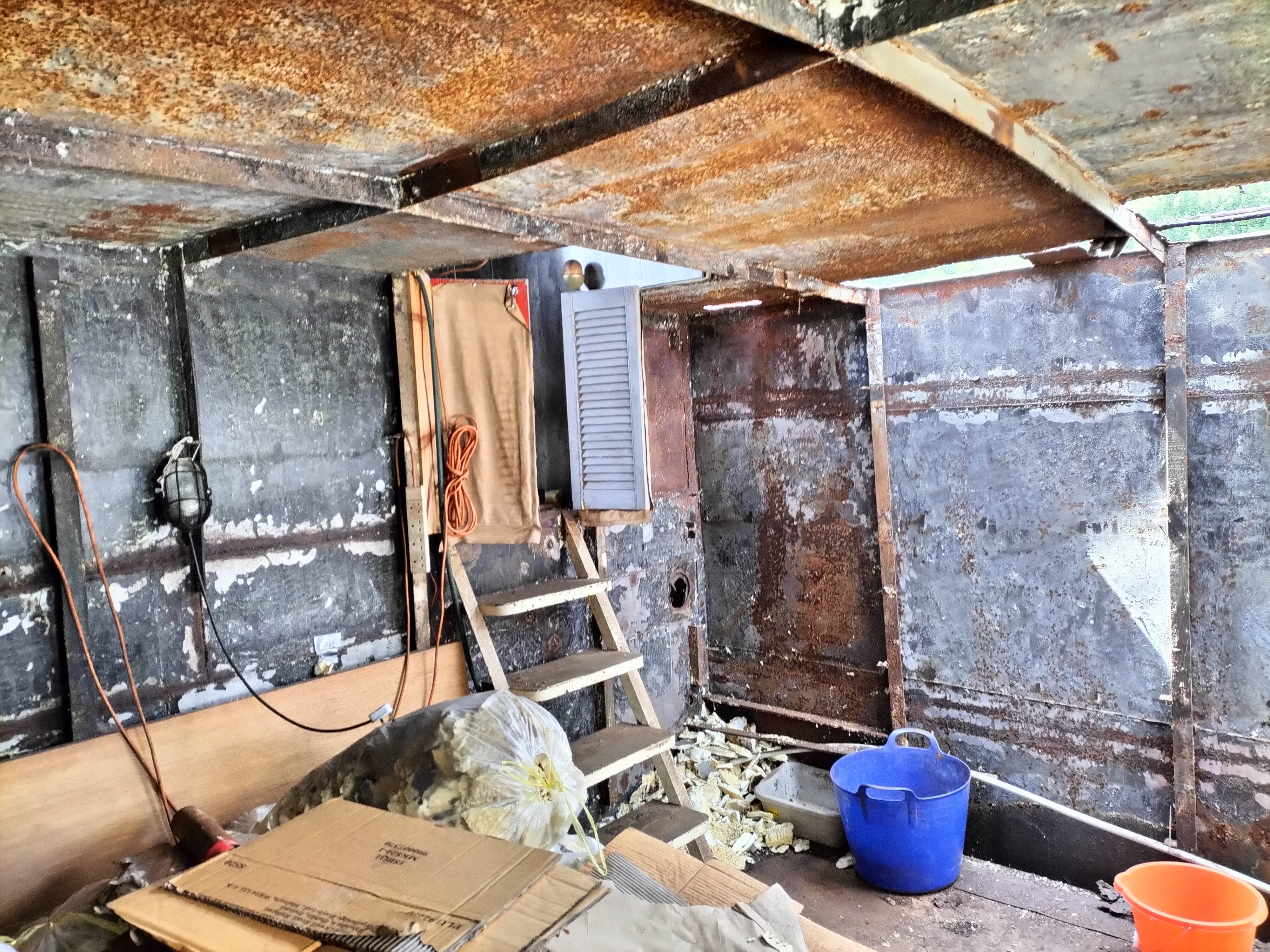
There’s always the temptation to “just start something” — but it isn’t that simple. Starting the wrong job at the wrong time creates more problems than it solves. Discipline matters more than momentum during this phase.
The sensible approach is to count the successes of the past year, acknowledge what was achieved under real conditions, and plan to repeat — and build on — those successes in the next workable nine months.
As we continually stress, the boat isn’t going anywhere ... and the plan hasn’t changed.
And when the weather finally breaks, neither will the resolve.
Relevant References
- Triage as a Skill: Choosing What Not to Do in Long Boat Projects
- Weather-Driven Work Sequencing in UK Boatyards
About the Author

Jack Allen is a former Royal Navy seamanship rating, boat skipper, boat builder, and project manager. He is the creator and administrator of HamstersAHOY.com and currently coordinates the HamstersAHOY! Project, converting a derelict 48ft steel trawler into a modern 60ft liveaboard cruiser at Stourport-on-Severn.
Jack holds SMSTS and RYA Day Skipper certifications and is formally trained in the Natural Sciences through the Open University, Manchester University, and Sussex University.
👉 Follow Jack’s latest adventures and his articles at the HamstersAHOY! Project.
Comments