
Working With the Boat’s Rhythm: How Weather and Light Dictate Task Selection
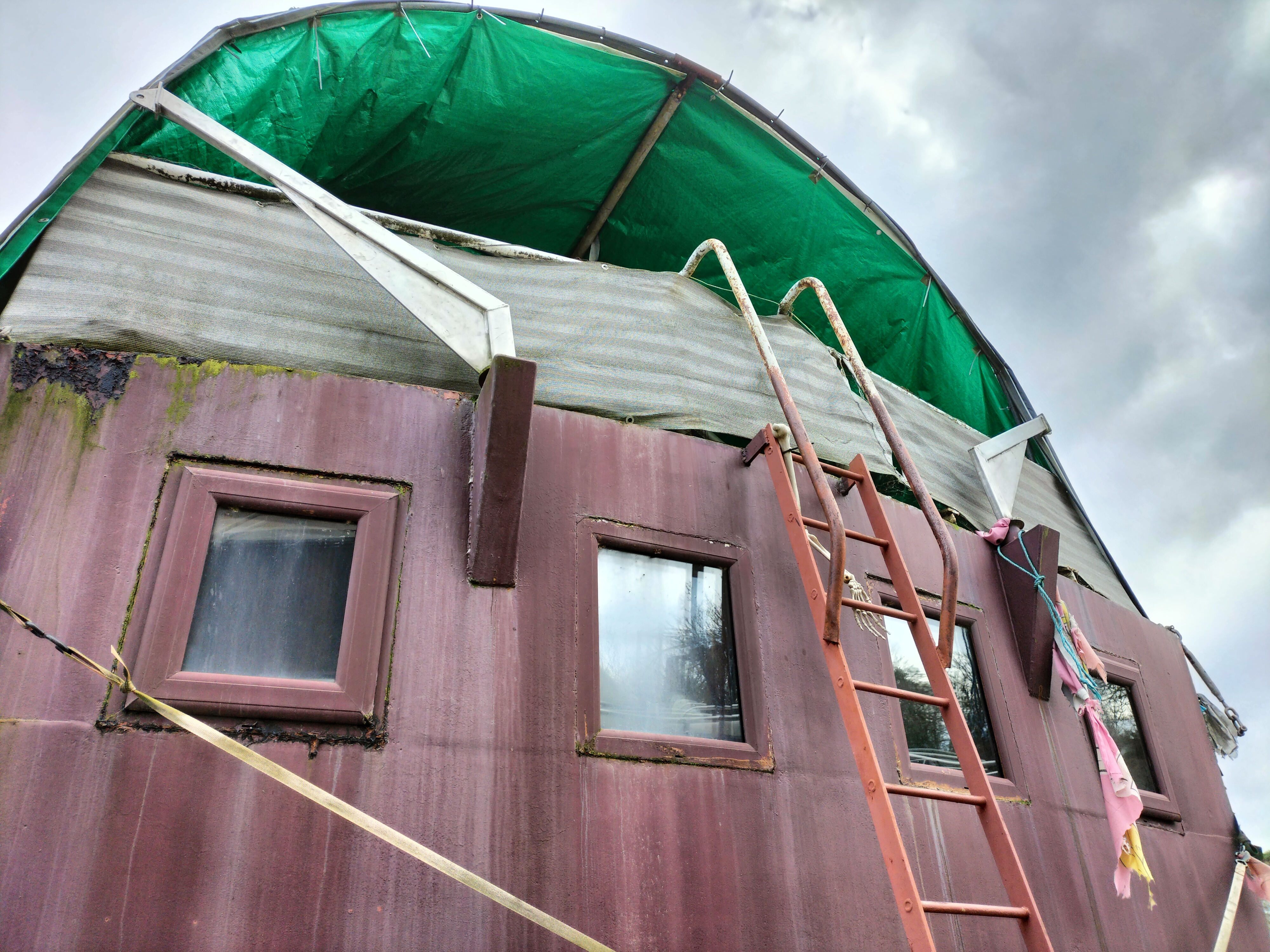
Logs #07 and #11 illustrate that a steel trawler in the UK sets its own pace. Winter cold, rain, and limited daylight forced a rhythm that guided which tasks could be performed safely and efficiently.
Observing Natural Limits
- Daylight hours dictated working windows.
- Cold and damp limited welding, grinding, and coating work.
- Rain or frost required contingency tasks such as planning, measurement, or component preparation.
Prioritization Within Constraints
By sequencing work according to environmental conditions, the team achieved:
- Structural progress without compromising safety or quality.
- Efficient use of crew energy during optimal windows.
- Reduced rework caused by weather-induced mistakes.
Applying the Lesson
- Monitor forecast, light levels, and temperature before scheduling on-site tasks.
- Divide tasks into categories: resilient, conditional, or sensitive.
- Use downtime for planning, fabrication, or documentation.
- Accept that patience preserves long-term progress.
Understanding and working with the boat’s rhythm transforms external constraints into strategic allies rather than obstacles.

Comments