
Sponsored by:
Welding access in steel boat building is a critical but often underestimated aspect of successful construction. Even the best welding technique cannot compensate for joints that are poorly positioned, inaccessible, or unsafe to reach.
This article explores how access, sequencing, and confined space considerations influence weld quality, safety, and long-term maintainability in steel boats.
Every welded joint must be executed, inspected, and often maintained over the vessel’s life. Poor access increases the likelihood of defects, inconsistent penetration, and incomplete inspection.
Access challenges typically arise when:
- Structure is installed too early
- Compartments are fully enclosed prematurely
- Welds are placed behind permanent fittings
Once steel is closed in, access problems are expensive to correct.
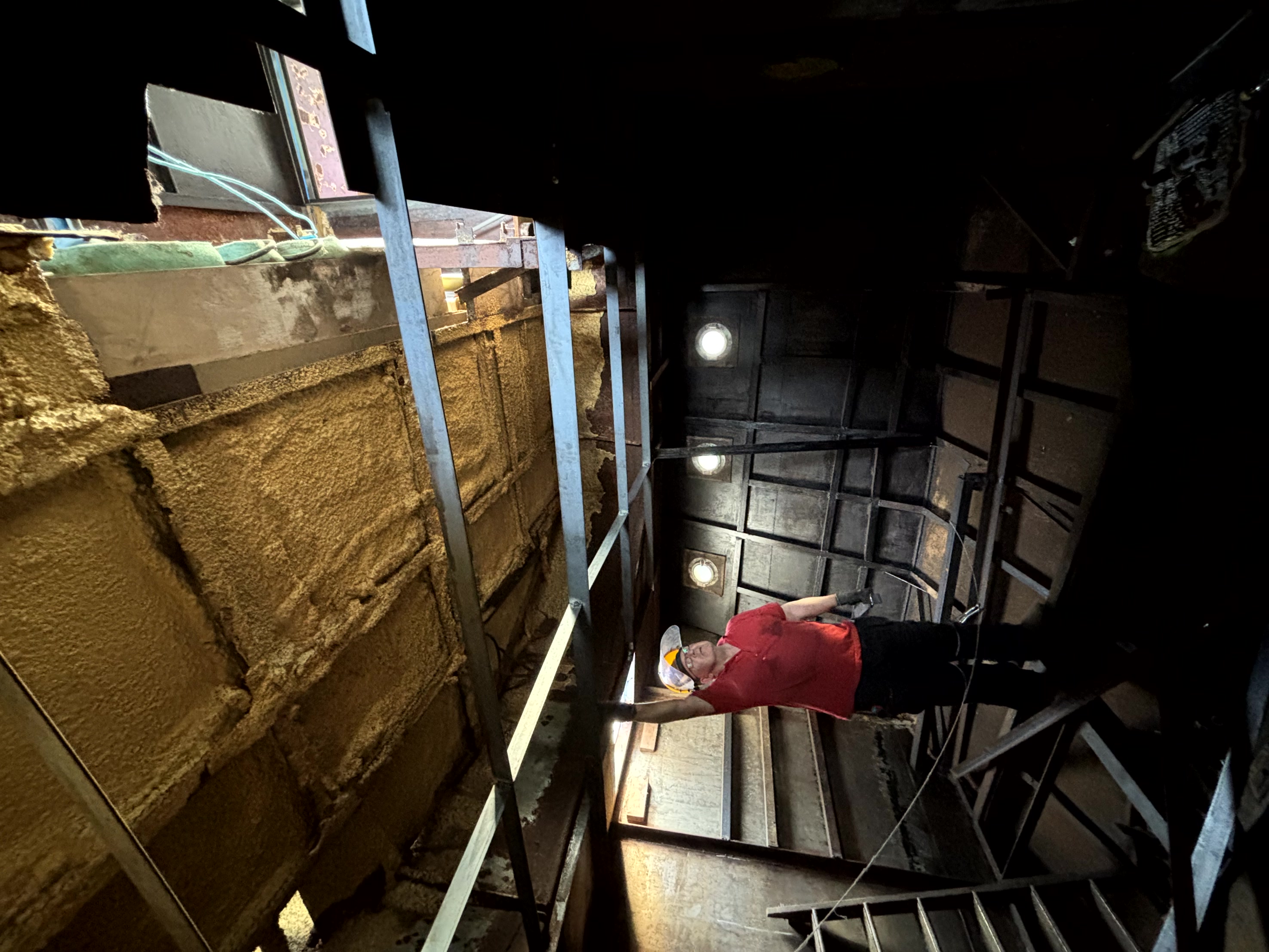
Confined space welding in boats presents unique hazards. Steel hulls act as enclosed vessels, trapping heat, fumes, and reflected radiation.
Risks include:
- Fume accumulation
- Heat stress
- Fire hazards behind linings or insulation
Safe welding inside steel hulls requires proper ventilation, fire watch procedures, and clear escape routes.
Planning steel boat construction with access in mind improves both safety and workmanship. This planning begins at the design stage and continues through build sequencing.
Effective planning considers:
- Order of installing bulkheads and decks
- Temporary access openings
- Removal of non-structural obstructions
Good planning allows welds to be completed in optimal positions.
The build sequence for steel boats directly affects welding access. Poor sequencing can trap unfinished welds behind completed structure.
A typical access-conscious sequence includes:
- Primary hull plating and framing
- Major structural welds
- Bulkheads and internal structure
- Deck installation last
This approach preserves access for critical joints.
Weld access and inspection are inseparable. Inspectors must be able to see, reach, and assess welds properly.
Designers and builders should ensure:
- Clear sight lines to structural welds
- Sufficient working space for repair if required
- Accessibility for future surveys
Hidden welds are difficult to trust and harder to maintain.
Safe welding inside steel hulls requires discipline and preparation. Temporary systems such as lighting, ventilation ducts, and fire-resistant barriers are essential.
Professional yards treat confined space welding as a planned operation, not an improvised task.
Welding access in steel boat building has a direct impact on safety, weld quality, and long-term serviceability. Thoughtful planning and sequencing allow welders to work effectively and inspectors to verify results.
In steel boat construction, access is not a convenience — it is a requirement.
Comments