
Sponsored by:
Regular inspection and maintenance are the foundations of long-lasting hull and deck performance. By identifying early signs of wear, corrosion, or water ingress, boat owners can prevent minor issues from escalating into costly repairs.
This article outlines effective hull and deck inspection routines, provides guidance on routine maintenance, and highlights preventative strategies that safeguard structural integrity.
Why Regular Inspections Matter
Even the most well-constructed vessels are susceptible to damage from weather, UV exposure, and general wear and tear. Regular inspections allow owners to catch potential problems before they compromise safety.
- Identifies moisture ingress before it affects structural components
- Detects surface damage such as cracks, blisters, and corrosion
- Prolongs the life of coatings and hardware
- Reduces long-term maintenance costs
A structured routine ensures no critical areas are overlooked.
Hull Inspection Checklist
Hull inspections should focus on both external and internal areas. A thorough approach includes visual, tactile, and instrumental checks.
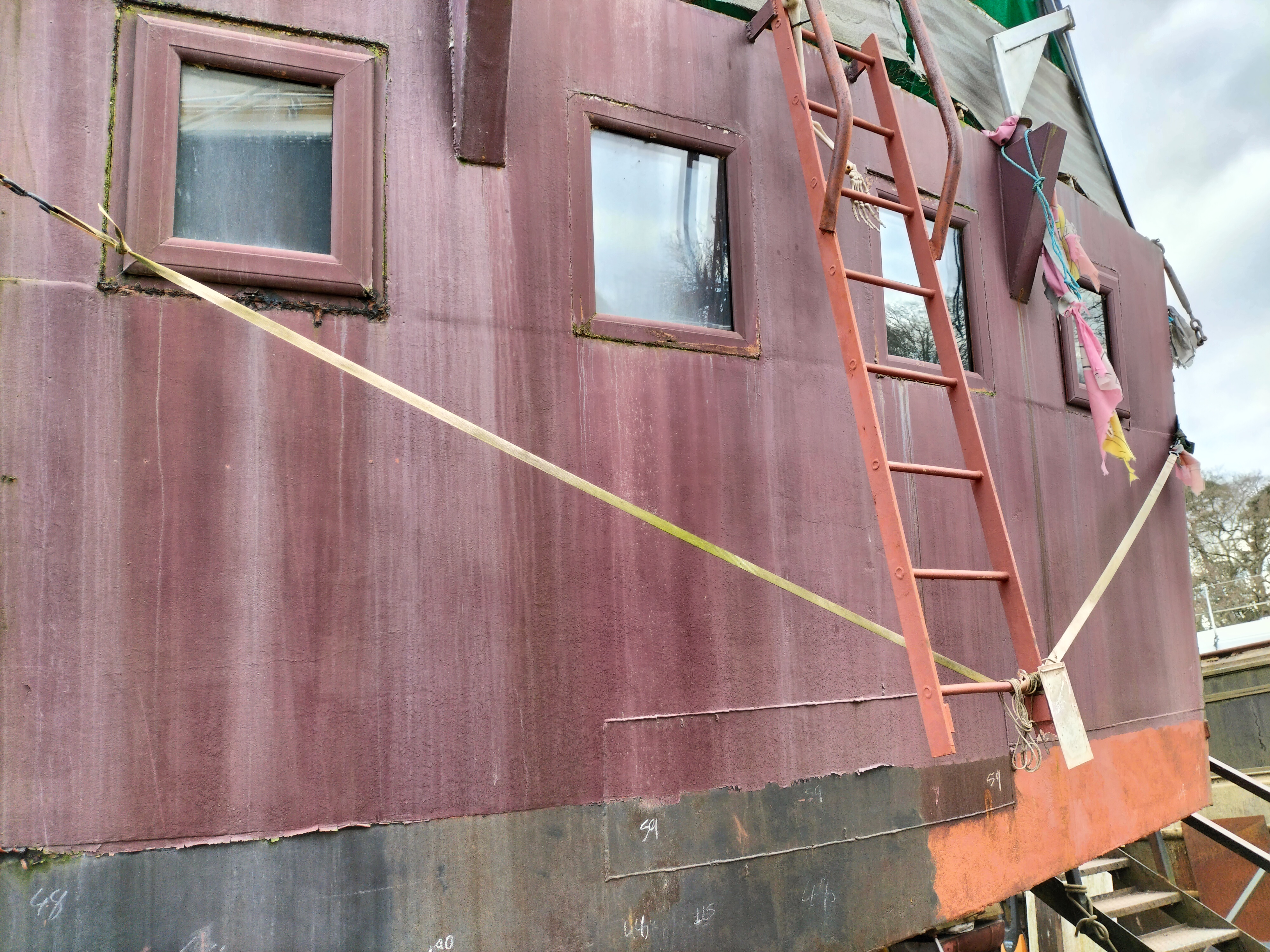
- Check for cracks, blisters, and scratches on the hull surface
- Inspect keel and hull joint areas for movement or corrosion
- Examine through-hull fittings and valves for leaks
- Assess antifouling and coating condition
- Use moisture meters for detecting hidden water ingress
Documenting findings over time helps track problem areas and schedule preventive action.
Deck Inspection Checklist
Decks require attention to fittings, sealants, and overall structural integrity.
- Check deck fittings for tightness and proper bedding
- Inspect sealant around hatches, cleats, and stanchions
- Look for soft spots or delamination indicating moisture penetration
- Assess fasteners for corrosion or loosening
- Inspect non-slip surfaces and decking materials for wear
Early detection of deck issues prevents core rot and long-term damage.
Routine Maintenance Tasks
Following inspections, routine maintenance maintains both aesthetics and structural health.
- Wash and clean hull and deck to remove salt, dirt, and algae
- Touch up minor scratches and damaged coatings
- Re-bed or replace deteriorated sealants
- Lubricate moving hardware and check fasteners
- Inspect and replace corroded or worn marine fasteners
Regular maintenance intervals depend on vessel use, environmental exposure, and material type.
Preventative Strategies for Long-Term Protection
Prevention is always more effective than repair. Implementing preventative strategies reduces stress on hull and deck systems.
- Keep the hull coated and antifouled as per recommended schedules
- Ensure proper ventilation to minimise internal moisture
- Monitor and maintain through-hull fittings and deck hardware
- Protect sensitive areas with backing plates or reinforcements where appropriate
- Schedule professional inspections periodically, especially for older boats
Consistent preventative care ensures the vessel remains seaworthy and reduces unexpected repair costs.
Seasonal Maintenance Considerations
Seasonal changes bring unique challenges. Cold, wet winters and hot, UV-intensive summers can accelerate wear.
- Winter: Inspect for ice or frost damage, check fittings, and ensure bilge pumps are operational
- Spring: Reapply antifouling, inspect for winter corrosion, and test structural integrity
- Summer: Monitor UV exposure on coatings and sealants, wash frequently to remove salt residue
- Autumn: Prepare decks and hulls for heavy rain and cooler temperatures, check drainage points
Seasonal attention prevents environmental stress from accumulating unnoticed.
Using Technology in Inspections
Modern tools improve inspection accuracy and reduce reliance on guesswork.
- Moisture meters detect hidden water in hulls and decks
- Infrared cameras highlight temperature variations from damp areas
- Endoscopes allow inspection of internal cavities and confined spaces
These technologies complement visual inspection and provide detailed documentation for maintenance planning.
Conclusion
Hull and deck inspection routines, combined with consistent maintenance and preventative strategies, are essential for safe, reliable, and long-lasting vessels. By systematically checking fittings, coatings, and structural elements, boat owners can detect early signs of damage and act promptly.
Establishing structured routines, supported by seasonal adjustments and modern inspection tools, reduces unexpected repairs, protects structural integrity, and ensures your boat remains in prime condition for years to come.
Comments