
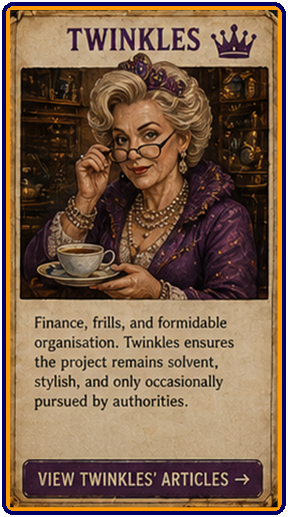
I arrive, as I always do, with a sensible tote and a flamboyant scarf—practical pockets for receipts, dramatic ruffles for the photo-op—then settle on the low seafront wall outside the HMS Ganges museum and visitor centre at Shotley Gate. The estuary is composedly busy: the Stour and Orwell meet, ferries purr, and Harwich’s cranes silhouette like punctuation across the water. Felixstowe docks glint; gulls file reports in the margins.
From this perch I check the ledgers in my head: wind from the north-east, neap ebb approaching, a polite swell through the mouth. As purser and certified RYA Day Skipper, I have an instinct for numbers—tide tables are as comforting as sequins—and the wall is a perfect place to reconcile drama with arithmetic. People stroll past, some aimless, some intent on the museum plaques that nod to the naval boys once trained here. I note a young couple arguing about parking by the café; another learns, much to their surprise, that the bench is damp.
A mystery unfurls when I spot an old, half-sunken rowboat tucked near the foreshore, painted in peeling turquoise and bearing a name long gone. It has the air of something misfiled in both maritime records and memory. I make a small, considered plan—because plans are my preferred accessory: check tide again, photograph hull number, log the find—and then imagine the likely provenance: a fishing family, a schoolyard prank, or a discarded prop from a past HMS Ganges muster.
Prudence breezes by with a dramatic hand on her hip and a thermos; she insists the rowboat is “perfect for a pop-up café.” Jack appears, hands smelling faintly of teak and varnish, and provides a procedural audit of the hull: “Dry rot, but remontable—if you’re masochistic.” His patience is a slow, reliable tide. Esmeralda’s voice arrives, oddly muffled, because Pedro the hamster has commandeered her pocket, advising that the boat might prefer a name with more personality.
Someone—no one—leaves a tiny, anonymous note tucked under the boat’s thwart: “Tides forget nothing.” It is the Invisible Partner’s sort of guidance: a quiet, uncredited nudge that insists we look twice at ordinary things.
By sunset I have not salvaged the boat, but I have reconciled two truths: theatricality makes an ordinary day memorable (ruffles help), and meticulousness keeps projects from sinking (ledgers help more). The rowboat remains a splendid half-secret, teaching me that preservation often begins with a small attention—a photograph, a logged time, a polite inquiry—rather than grand gestures.
I stand, adjust my scarf, and leave the note where I found it; the gulls applaud with the sort of indifferent enthusiasm only seabirds can muster. As I stride off, someone asks if I’ll return tomorrow. “Of course,” I say. “I’ve already scheduled the paperwork—and the wardrobe change.”
Postscript: If anyone asks whether ruffles improve seaworthiness, answer: only insofar as they improve morale—and morale can be deceptively buoyant.
Comments