
hamstersahoy
The Mad, Bad Tale of a Bum, a Rusty Boat, a Hamster, Three Psychotic Chicks & a Ghosty Geezer!
Home Project Journal Insights Photography Applied Lessons

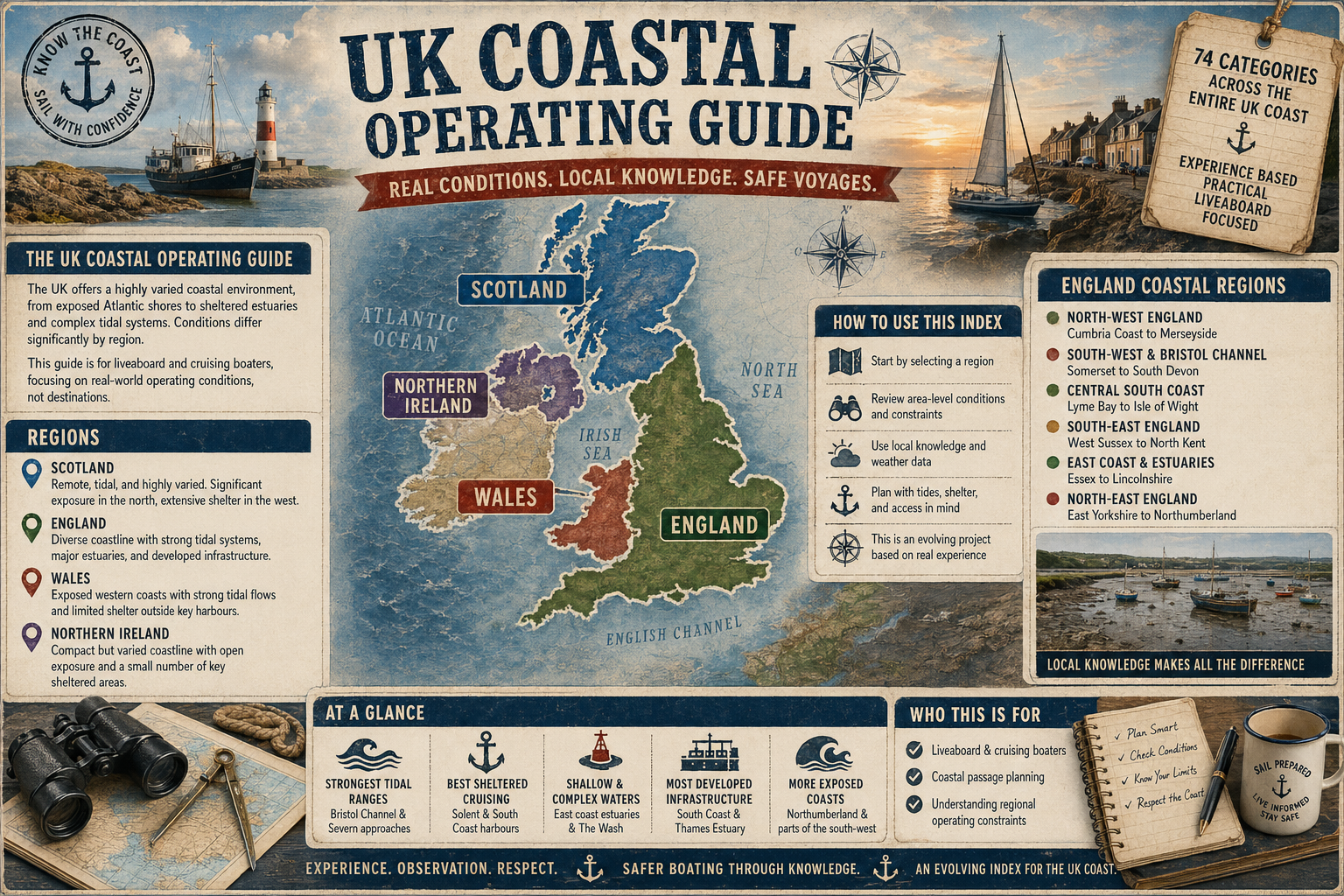
A FREE HamstersAHOY! Resource For UK Liveaboard Cruisers

Find Your Cruising Ground here

A FREE HamstersAHOY! Resource For UK Liveaboard Cruisers

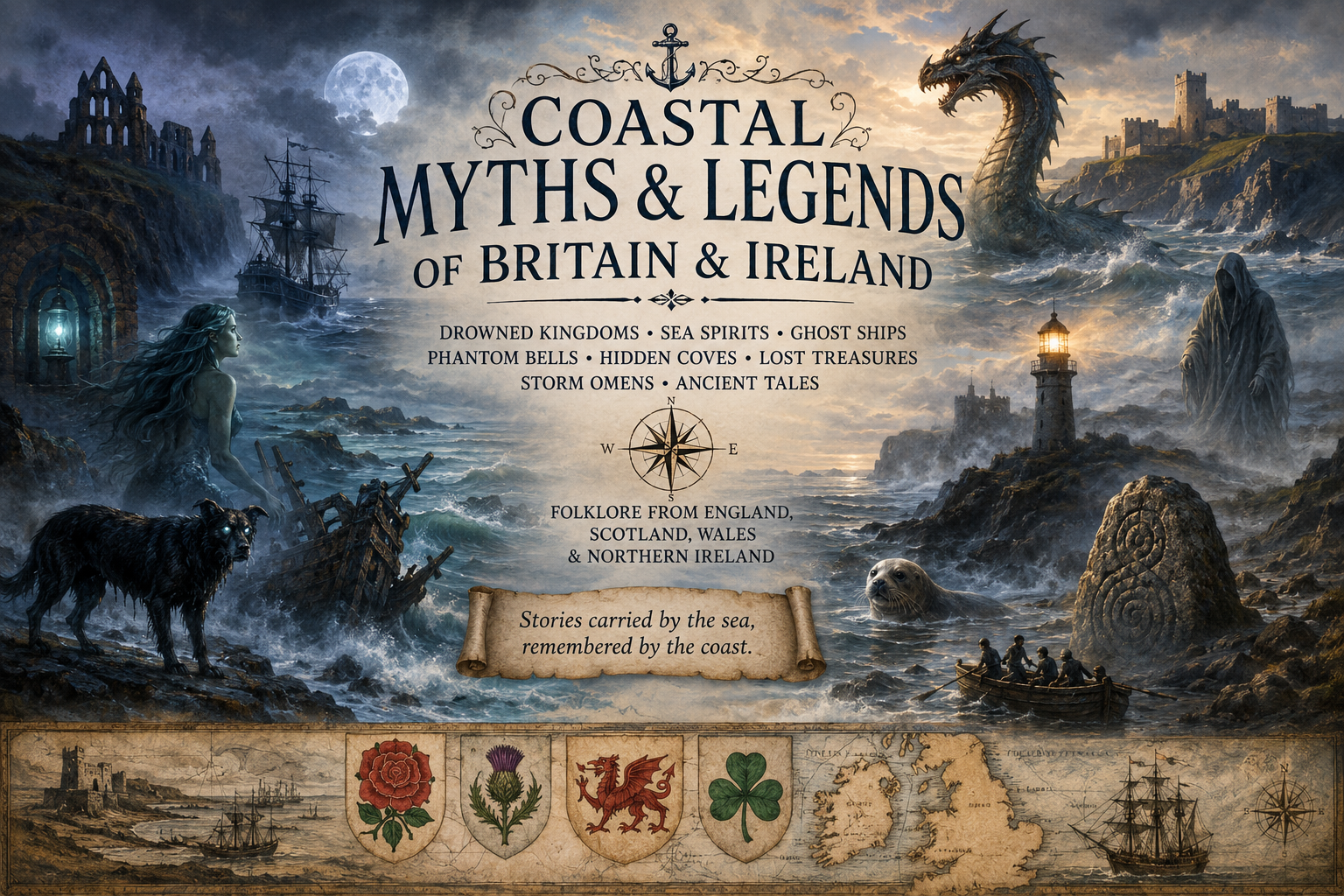
Select Your Dragon here

A FREE HamstersAHOY! Resource For UK Liveaboard Cruisers

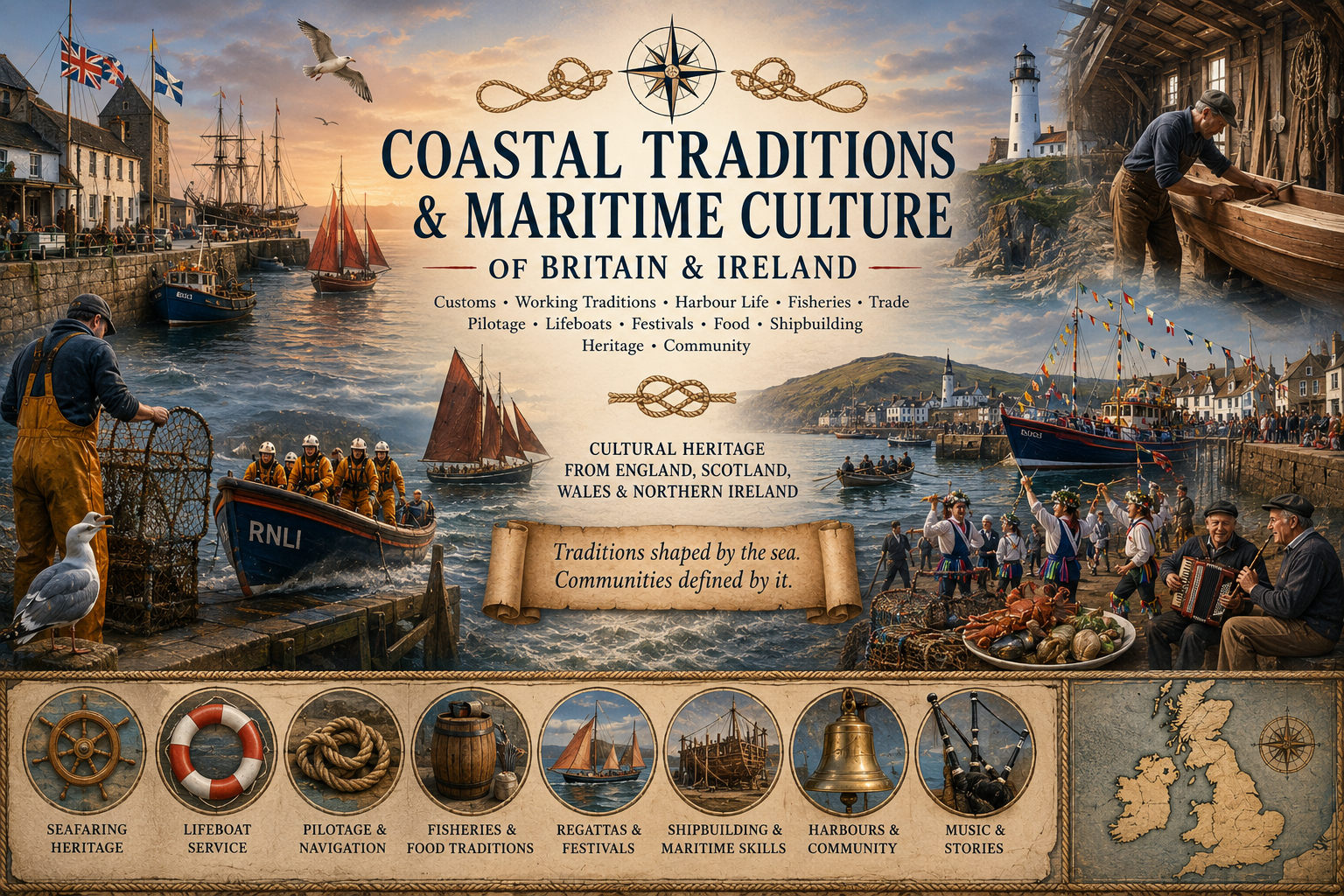
Find Heritage here

HamstersAHOY!
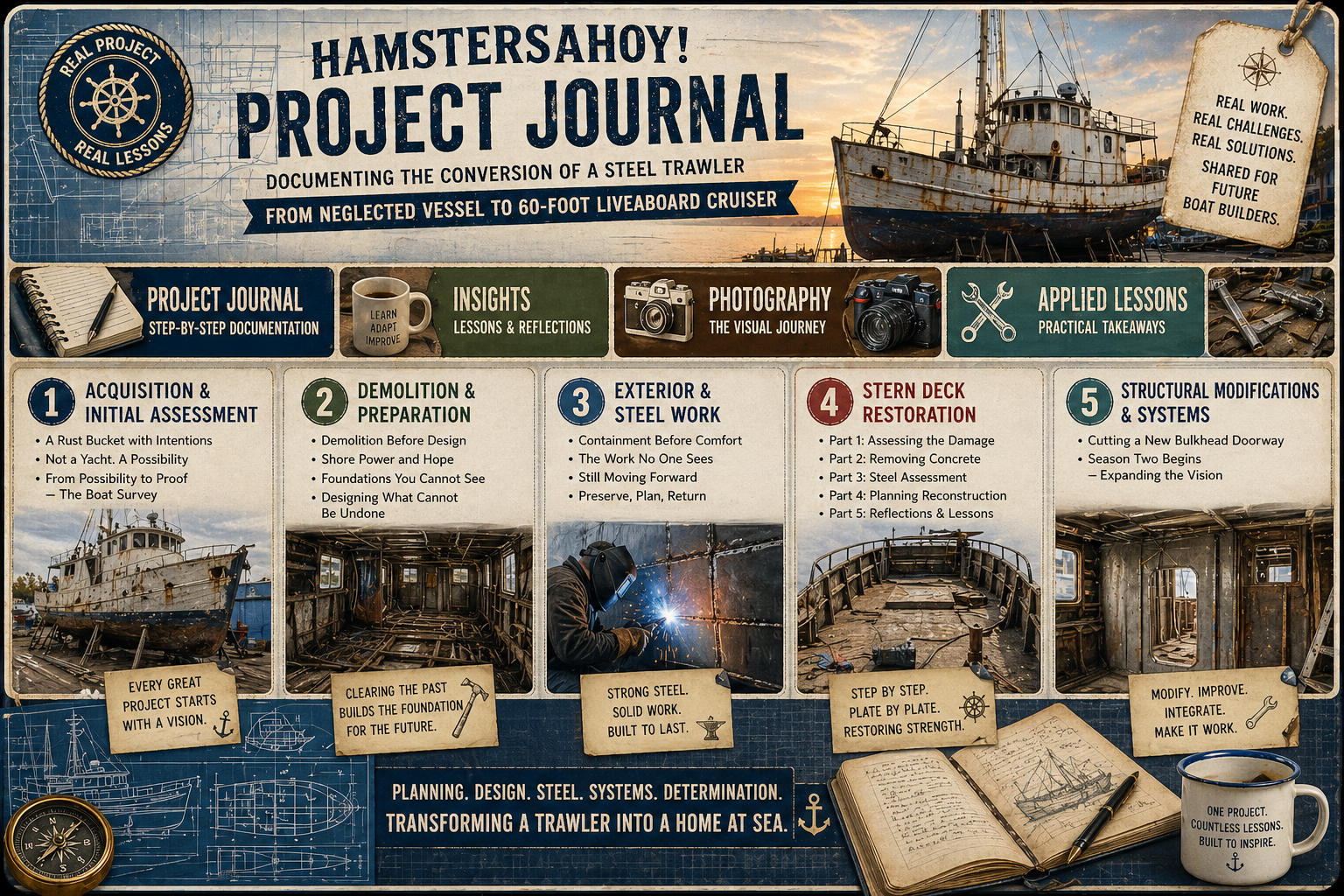
Project Journal

Follow Our Conversion

Captain Pedro's
Ocean Adventures

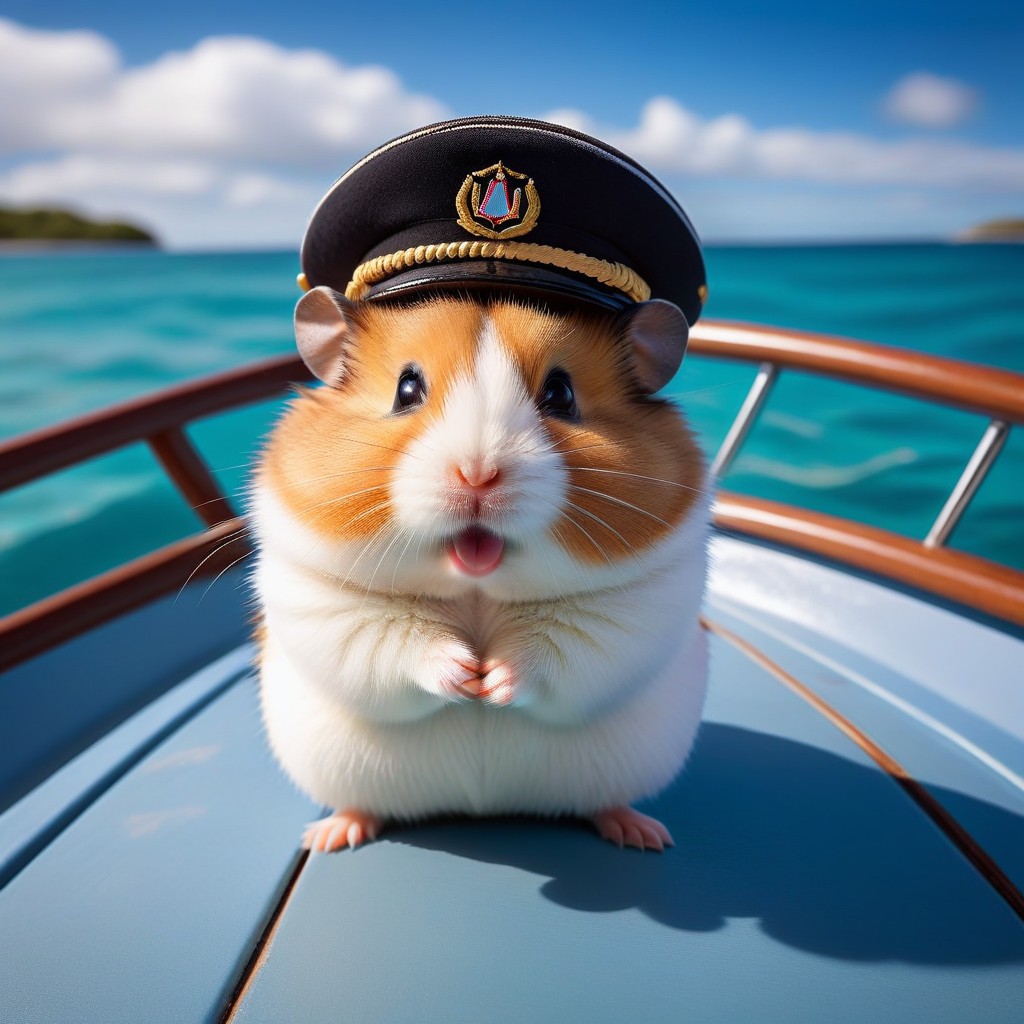
Captain Pedro's Ocean Adventure

Follow The EPIC Journey

HamstersAHOY!
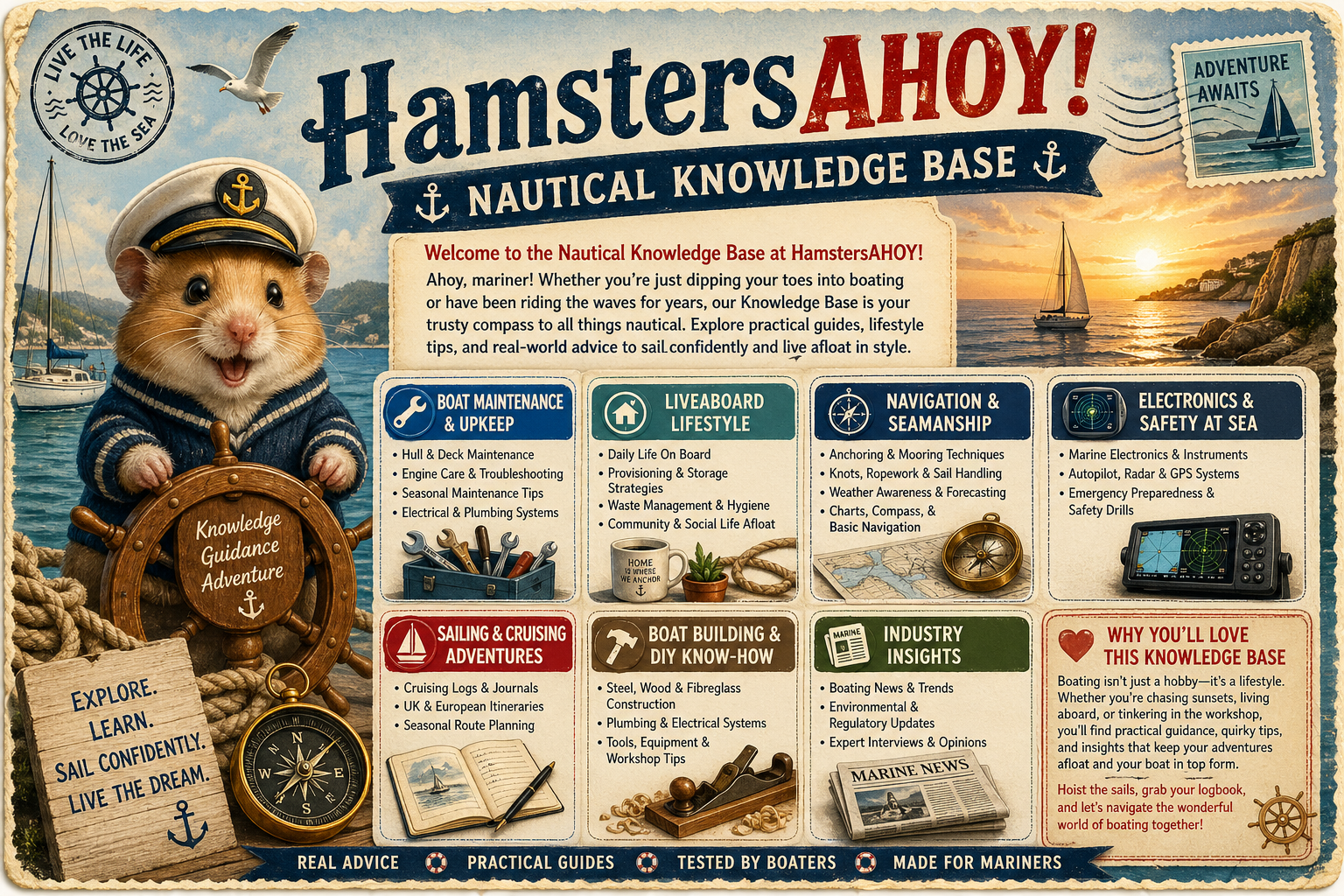
Nautical Knowledge Base

Boating Skills To Keep You Afloat

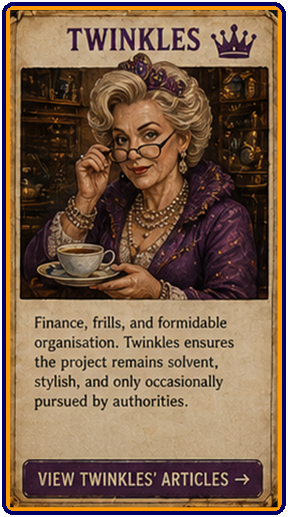
Meet Dame Twinkles Toothpick III (certNatSci)

Known also as Twinkie, Lilly Crabtree, or Spud Wilson depending on the day, Dame Twinkles Toothpick III is co-founder, Project Purser, and principal slush fund coordinator for HamstersAHOY!. A firm grounding in finance, boots, and unyielding frills ensures no one crosses her when closets are involved.

A Little About Twinkie

♦   Experienced finance professional with creative accounting prowess

♦   RYA Day Skipper and certified Natural Scientist

♦   Internationally qualified beautician with multilingual skills

Twinkie’s Role in the Project

Twinkie ensures that the team has the resources needed to complete the conversion. She navigates finance, logistics, and unexpected demands from Port authorities with flair. When she’s not managing the books, she’s overseeing wardrobe standards on board.

Next in the Series

Meet the marketing mastermind and fleeting dockyard welding legend. Next: Prudence Fishwater →

Ribble Estuary Maritime Culture and Coastal Traditions

  • Ribble Estuary

The Ribble Estuary forms a broad tidal inlet between the Lancashire and Sefton shores, extending westward from Preston towards the Irish Sea. Its maritime character has long been shaped less by deep-water seafaring than by shallow estuarial navigation, fisheries, marshland use and the practical demands of moving vessels through shifting channels. The extensive mudflats and salt marshes, together with strong tidal streams and unstable banks, produced a working environment in which local knowledge remained essential. Although much commercial traffic has declined from former levels, several maritime customs and occupational practices retain a degree of continuity along the estuary margins.

Swansea Bay & Gower – Lady of the Lake Folklore

  • Swansea Bay & Gower

The coast of Swansea Bay and the Gower Peninsula carries a long association with Welsh lake and water folklore, including variants of the well-known “Lady of the Lake” tradition found across upland districts of South Wales. Around Gower and the western approaches to Swansea Bay the story is not attached to one fixed harbour or headland, but forms part of a broader regional belief in the uncertain boundary between inland waters, tidal reaches and the sea. Though primarily rooted in rural folklore rather than maritime legend, the tale has remained familiar among coastal communities whose lives were shaped equally by estuary, moor and shore.

Cantre’r Gwaelod and the North Wales Coast

  • North Wales Coast

The tradition of Cantre’r Gwaelod, commonly described as a drowned lowland lying beneath the waters of Cardigan Bay, forms one of the strongest and most enduring bodies of maritime folklore associated with the Welsh coast. Though the legend belongs principally to the shores of Cardigan Bay and the western approaches to Wales rather than the northern coast alone, it has long been familiar to mariners navigating the waters between Bardsey Sound, the Llŷn Peninsula and the approaches eastward toward the Dee estuary. The tale concerns a fertile coastal territory said to have been protected from the sea by embankments or sluices before inundation during a great flood. Medieval Welsh sources refer to the tradition in varying forms, though its precise historical basis remains uncertain.

South Argyll (Mull / Jura / Islay) — Corryvreckan Whirlpool Legends

  • Argyll South (Mull / Jura / Islay)

The waters between northern Jura and Scarba contain the Gulf of Corryvreckan, long regarded as one of the most formidable tidal races on the western coast of Scotland. The whirlpool which forms there on strong tides has attracted maritime folklore for centuries, and the surrounding districts of Mull, Jura and Islay retain some of the strongest traditional associations with dangerous seas anywhere in the Hebrides. The legends are closely tied to the observable conditions of the channel itself, where Atlantic swell, uneven seabed and tidal flow combine to produce violent overfalls and heavy rotary seas in suitable weather.

Wester Ross: Fairy Flag and Sea Crossing Folklore

  • Wester Ross

The indented coast of Wester Ross, facing the Minch and the Outer Hebrides, has long carried traditions linking difficult sea passages with older Highland beliefs. Among the best known are accounts associated with the so-called Fairy Flag of the MacLeods and with protective customs observed before crossings between the mainland sea lochs and the islands beyond. Although much of the surviving tradition belongs properly to Skye and the Hebridean routes further west, related beliefs were widely recognised along the Wester Ross shore, particularly amongst Gaelic-speaking fishing and crofting communities accustomed to exposed waters and uncertain weather.

Aberdeenshire Coast – Notes on the “Mither o’ the Sea” Tradition

  • Aberdeenshire Coast

The north-eastern coastline of Scotland along the Aberdeenshire frontage is fully exposed to the North Sea and shaped by long-standing fishing activity, variable weather systems, and comparatively shallow offshore waters. Within this setting there are occasional references in local speech and informal tradition to a figure known as the “Mither o’ the Sea”, expressed in Scots dialect as a maternal personification of the sea. The term is not consistently recorded in formal folklore collections and appears instead as a fragmentary or situational expression rather than a defined narrative tradition. It is therefore best treated with caution, as a regional idiom reflecting maritime attitudes rather than a structured legend.

Shetland – Finfolk Traditions and Maritime Reference

  • Shetland

The waters surrounding Shetland have long been associated in local tradition with accounts of the Finfolk, a body of maritime folklore describing sea-dwelling beings said to inhabit the deeper channels and offshore reaches of the northern isles. These traditions are most commonly recorded in Shetland oral culture and, to a lesser extent, in neighbouring Orkney accounts, though their precise origins are uncertain and likely reflect a mixture of Norse influence and local seafaring interpretation of the marine environment.

  1. Belfast Lough – Phantom Ship Sightings in Fog
  2. Durham Coast – Coal-Shipping Ghost Stories
  3. Humber Estuary: Pilotage Lore and Reports of an Unidentified ‘Pilot Figure'
  4. North Essex: Essex Witch and Oyster Folklore
  5. Cumbria Coast Maritime Culture

Page 1 of 5

  • 1
  • 2
  • 3
  • 4
  • 5

Advanced Search

Pedro's Locker

"All Aboard!"
"Sorry, No Boarding Pass = No Entry!"

  • Forgot your password?
  • Forgot your username?

Random Images ...

Five To Check Out ...

  • Winterising Your Boat: Engine and Plumbing Care
  • Fatigue in Welded Steel Boats: Understanding Cracks, Stress, and Longevity
  • Renewable Energy Options for Liveaboard Boats: A Practical UK Guide
  • Corrosion at Welded Joints in Steel Boats: Causes, Risks, and Prevention
  • Family and Beginner-Friendly Sailing Itineraries

Site Articles

Everything you ever wanted to know about HamstersAHOY! through Quick Links is right here ...

  • Conversion Project Start
  • Nautical Knowledge Base Start
  • UK Coastal Operating Guide
  • Meet The Crew
  • Middle Watch Musings
  • Traditions & Culture
  • Myths & Legends
  • Pedro's Ocean Adventures
  • Terms & Conditions
  • Privacy Policy
  • Cookie Notice
  • About & Contact
  • COP Methodology Explained
  • Copyright & Trademarks
  • Sitemap