
Log #06 - Drawing the Line
Summer 2025 - Mid Summer
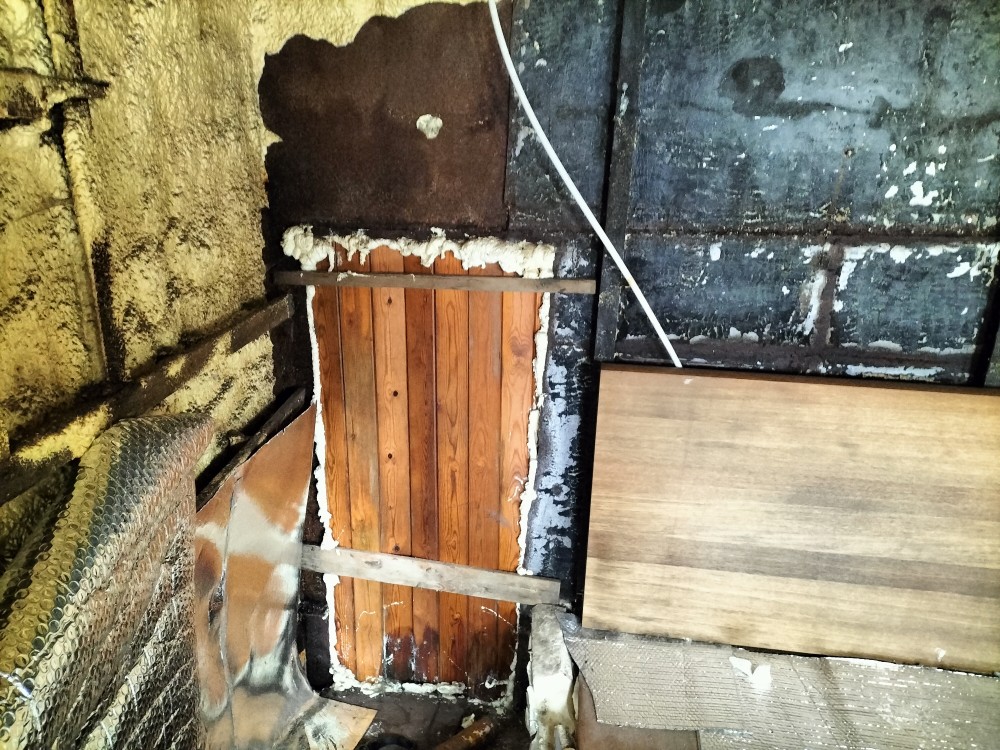
There comes a point in any long project where the question stops being “Can this be done?” and becomes “How exactly will it be done?” For this boat, that point arrived once the structural work was underway and the scale of the refit fully understood.
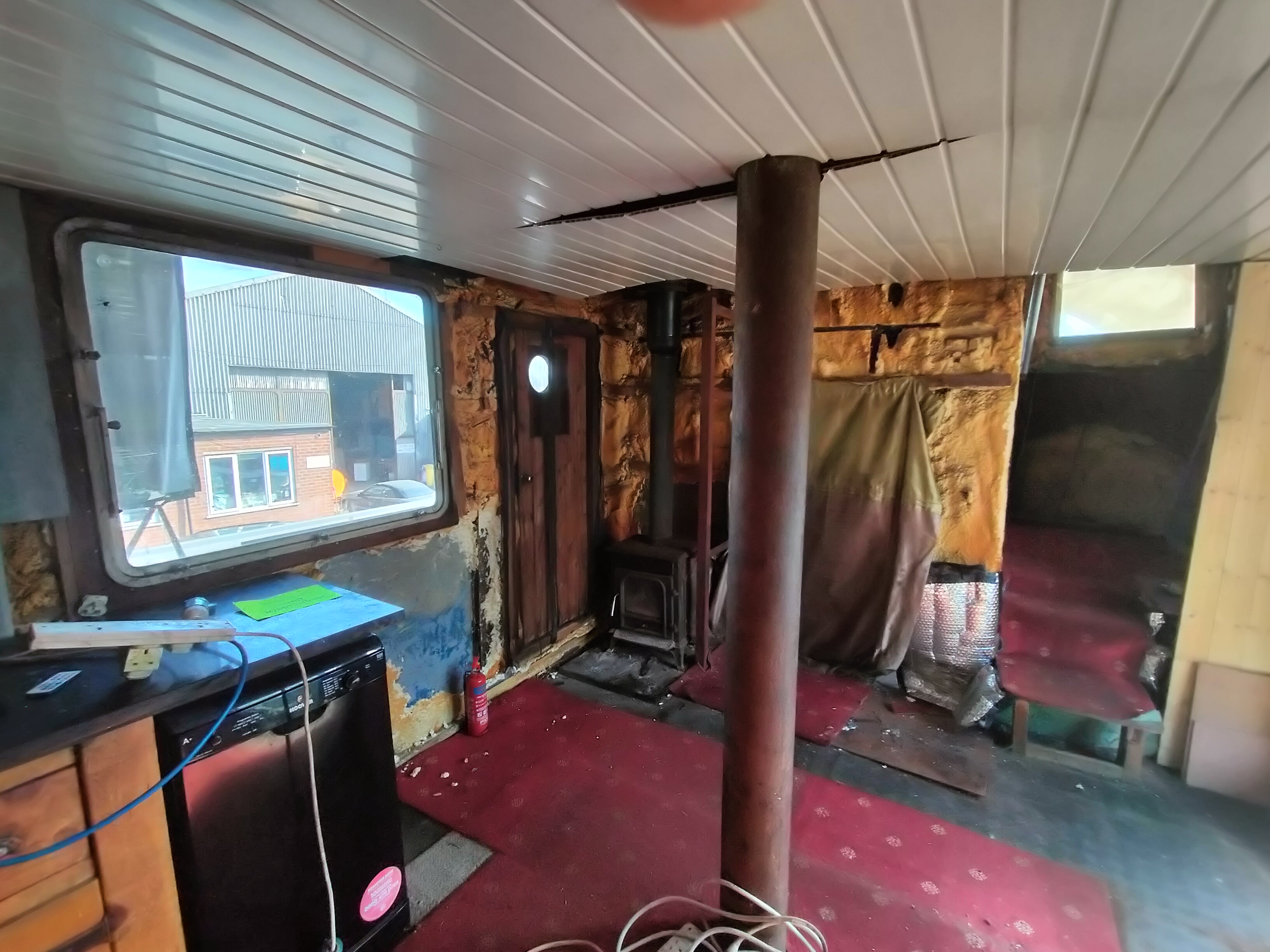
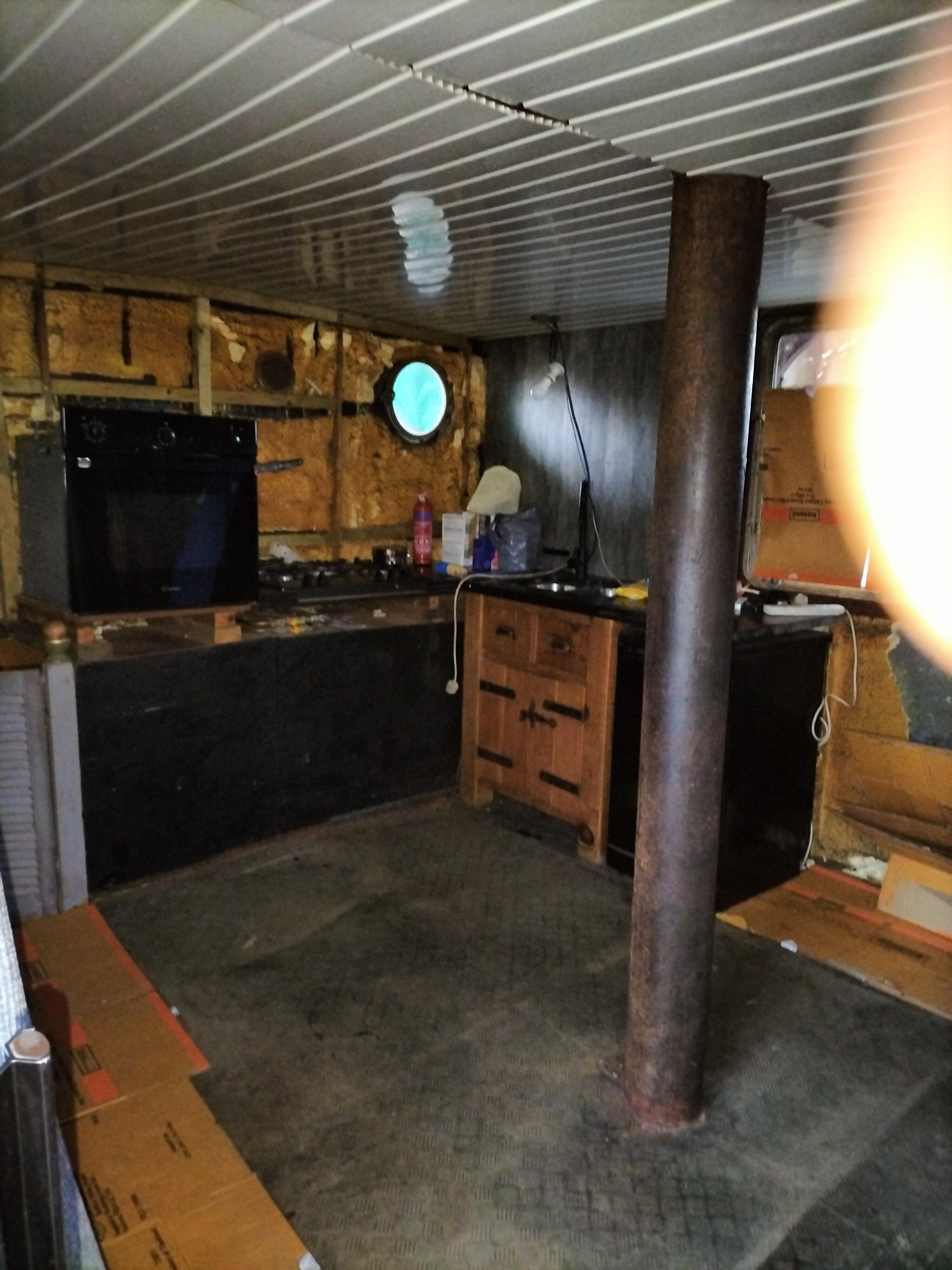
A bare interior, redefined
With steel repairs progressing, it became possible — necessary — to start thinking forward again. Systems could not be installed yet, but they could be designed. Spaces could not be finished, but they could be defined. What had once been a cluttered, compromised interior was now a blank, if imperfect, volume.
This was where restraint mattered most.
There were many tempting possibilities: additional cabins, expanded machinery spaces, elaborate systems. But experience — and the slow lessons of the previous months — argued for clarity over ambition. The boat needed to be liveable, serviceable, and robust before it needed to be impressive.
Systems planning began in earnest. Electrical architecture was sketched from first principles. Water distribution was reconsidered with simplicity and redundancy in mind. Engine access, maintenance clearance, and ventilation were prioritised over aesthetics. Each decision was weighed not just against present needs, but against future repair — because there would always be future repair.
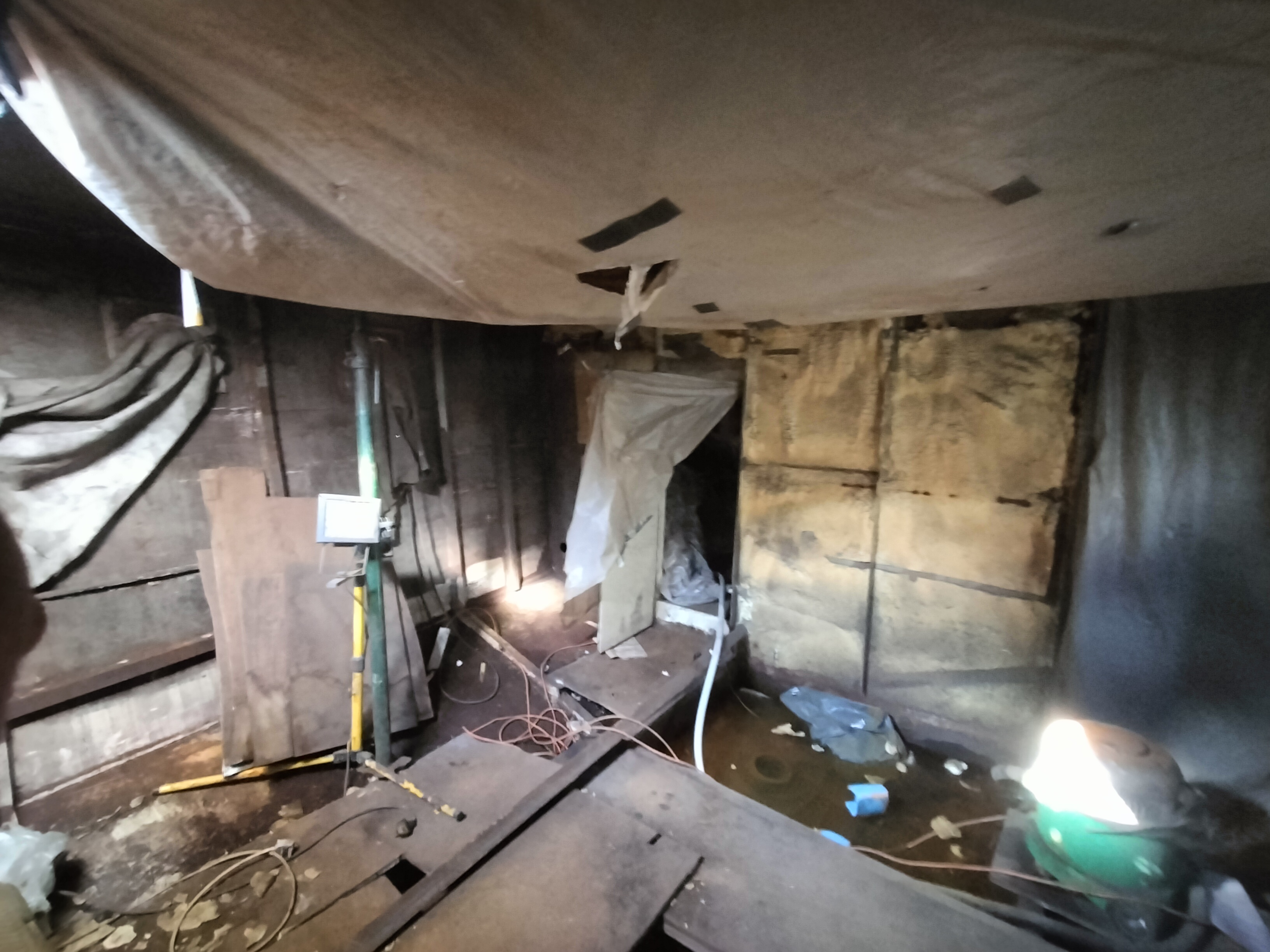
The point of no return
Somewhere in this process, without ceremony, a line was crossed. Materials were ordered that assumed continuation. Layouts were finalised that ruled out alternative paths. Time and money were committed in ways that could not be casually undone.
This wasn’t recklessness; it was resolution.
The earlier uncertainty — the mental escape hatches, the quiet reassurances that the project could still be abandoned if necessary — faded. What remained was responsibility: to the boat, to the people who would live aboard her, and to the work itself.
By the end of July, the project had acquired momentum of its own. The boat was no longer an object under evaluation, nor even a structure under repair. It was becoming a system — one that would soon demand integration, coordination, and patience on a different scale.
The work ahead was substantial. But for the first time, it was also clearly defined.
Unfortunately, winter was no longer an abstract concern; it was a deadline.
Relevant References
- Sequencing Structural Steelwork in Older Steel Boats
- Weather-Driven Work Sequencing in UK Boatyards
- Why Liveaboard Conversions Fail (and How to Avoid It)
- The Point of No Return in Long Boat Projects
About the Author

Jack Allen is a former Royal Navy seamanship rating, boat skipper, boat builder, and project manager. He is the creator and administrator of HamstersAHOY.com and currently coordinates the HamstersAHOY! Project, converting a derelict 48ft steel trawler into a modern 60ft liveaboard cruiser at Stourport-on-Severn.
Jack holds SMSTS and RYA Day Skipper certifications and is formally trained in the Natural Sciences through the Open University, Manchester University, and Sussex University.
👉 Follow Jack’s latest adventures and his articles at the HamstersAHOY! Project.
Comments