Challenges Encountered & Lessons Learned
“These articles distil recurring patterns, constraints, and lessons revealed through the build process.”
A Working Boat, Rebuilt Slowly
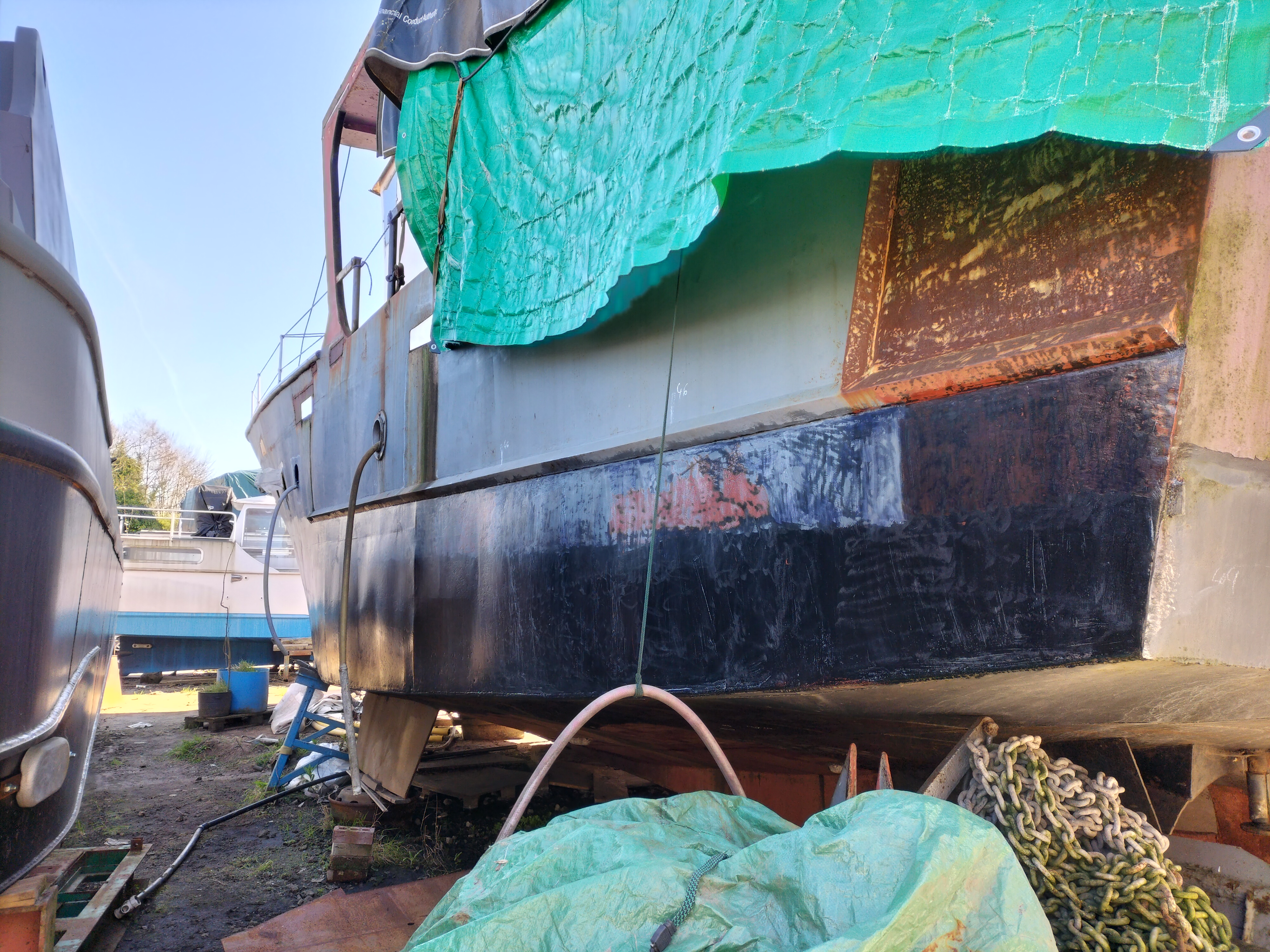
This site documents the refit of an older steel trawler-type vessel originally built for working life rather than leisure. The project began with a simple objective: to create a durable, liveable boat capable of extended use in UK coastal waters.
What followed was not simple.
The boat was neglected, structurally compromised in places, and burdened by decades of improvised modification. Systems were incomplete or absent. Framework had been removed. Corrosion was present where it was expected — and where it was not.
Rather than attempting a fast or cosmetic restoration, the work has been approached incrementally, with decisions shaped by weather, access, budget, and the realities of doing the work by hand.
Section 1 - HamstersAHOY! Project Journal
The build log records the project as it actually unfolded — in sequence, without hindsight. It includes:
- Early optimism and later correction
- Structural discovery and repair
- Decisions made under pressure
- Periods of progress, stagnation, and pause
Entries are chronological and reflect real conditions, not ideal ones.
Section 2 - Project Journal Reference Log
Alongside the build log, the site is developing a body of reference material drawn directly from the work itself.
These articles step back from the day-to-day narrative to examine broader themes:
- Structural sequencing in older steel boats
- Weather-driven decision-making
- Liveaboard conversion failures and how to avoid them
- The practical limits of time, labour, and enthusiasm
They are not prescriptive guides. They are observations grounded in consequence.
Why HamstersAHOY! exists
Many boat projects fail quietly — not because the owners lack skill or commitment, but because reality intervenes in ways that planning rarely anticipates.
This site exists to document those interventions honestly.
The boat is not finished. The project is ongoing. What’s recorded here is simply what the work has required so far — and what it has taught in the process.
If you are considering a similar project, you may find reassurance.
If you are already deep into one, you may find recognition.
If nothing else, you will find an account that does not pretend the work is easier than it is.
Site Structure
Choose your route through the project at:
- Details
- Written by: Jack Allen
- Category: Challenges Encountered & Lessons Learned
Iterative Adjustment: The Role of Measurement and Re-Assessment in Steelwork
Even small inaccuracies in frame alignment or bulkhead placement can cascade into major issues later. Logs #07 and #11 emphasize the importance of constant measurement and iterative adjustment.
Principles of Iterative Steelwork
- Measure alignment and plumb after each phase.
- Check temporary bracing for settlement or flex.
- Reassess load paths as new steel sections are added.
Benefits
This approach prevents cumulative errors, ensures decks and bulkheads remain true, and allows subsequent systems and interiors to fit as designed.
Key Takeaways
- Regular checks reduce surprises and rework.
- Patience and repeated verification safeguard structural integrity.
- Iterative adjustment is part of working with an older vessel rather than against it.
- Details
- Written by: Jack Allen
- Category: Challenges Encountered & Lessons Learned
Temporary Accommodation as a Force Multiplier in Liveaboard Refits
Season Two logs (#11) highlight that distance from home to boatyard consumed hours and energy. A modest floating or nearby base can dramatically improve output and morale.
Benefits of Staying Close
- Extended working periods without exhausting commutes.
- Warmer evenings improve focus and precision on delicate steelwork.
- Proximity allows early testing of systems as they are installed.
Implementation Considerations
Options include:
- Affordable mooring for a small boat nearby.
- Temporary rented accommodation within walking distance.
- On-site facilities for rest and meals to reduce lost time.
Outcomes
Logs show that proximity to the project improves not just productivity but decision quality. Fatigue-driven shortcuts are reduced, patience is maintained, and the work rhythm aligns with the boat’s needs rather than calendar constraints.
- Details
- Written by: Jack Allen
- Category: Challenges Encountered & Lessons Learned
Distance and Logistics: How Travel Shapes Work on UK Liveaboard Projects
Long journeys between home and boatyard can silently erode project efficiency. Logs #07 and #11 highlight how commuting from Manchester to Stourport-on-Severn dictated task selection, timing, and energy management.
The Hidden Cost of Travel
Even short work windows were consumed by:
- Fuel and navigation to the boatyard
- Time lost on setup and warm-up in cold or wet conditions
- Fatigue that reduces effective work hours
Strategies to Minimize Travel Impact
- Nearby temporary accommodation: A modest floating base extended work periods and improved comfort.
- Optimized work sequencing: Tasks chosen based on remaining daylight and expected weather rather than ambition.
- Preparation at home: Pre-cut, pre-measured materials and tool kits reduced on-site setup time.
Lessons from the Logs
Logs #11 and #07 demonstrate that careful attention to logistics maximized output during limited windows. Work that could tolerate interruptions was prioritized when travel costs were high, while delicate steelwork was scheduled when extended, uninterrupted periods were possible.
Applying the Principle
- Map travel impact in hours and energy, not just distance.
- Establish local support or accommodation to reduce friction.
- Plan tasks around accessible periods, matching crew readiness and conditions.
- Accept that some tasks cannot be rushed; energy conservation is part of structural preservation.
By accounting for logistics as a factor equal to steel and weather, liveaboard refits proceed more predictably, safely, and efficiently.
Related Reference Articles: Managing a Liveaboard Refit Under UK Weather Constraints, Temporary Measures That Preserve Long-Term Stability
- Details
- Written by: Jack Allen
- Category: Challenges Encountered & Lessons Learned
- Details
- Written by: Jack Allen
- Category: Challenges Encountered & Lessons Learned
- Details
- Written by: Jack Allen
- Category: Challenges Encountered & Lessons Learned
- Details
- Written by: Jack Allen
- Category: Challenges Encountered & Lessons Learned
- Details
- Written by: Jack Allen
- Category: Challenges Encountered & Lessons Learned
- Details
- Written by: Jack Allen
- Category: Challenges Encountered & Lessons Learned
- Details
- Written by: Jack Allen
- Category: Challenges Encountered & Lessons Learned