


The indented coast of Wester Ross, facing the Minch and the Outer Hebrides, has long carried traditions linking difficult sea passages with older Highland beliefs. Among the best known are accounts associated with the so-called Fairy Flag of the MacLeods and with protective customs observed before crossings between the mainland sea lochs and the islands beyond. Although much of the surviving tradition belongs properly to Skye and the Hebridean routes further west, related beliefs were widely recognised along the Wester Ross shore, particularly amongst Gaelic-speaking fishing and crofting communities accustomed to exposed waters and uncertain weather.
The coastline between Loch Torridon, Loch Gairloch and Gruinard Bay presents a succession of rocky inlets, offshore reefs and narrow passages affected by Atlantic swell and strong tidal movement. Before the establishment of reliable engines and modern forecasting, local passage-making depended heavily upon judgement of tide, cloud and sea state. Oral tradition in these districts frequently blended practical seamanship with inherited custom. References survive in nineteenth-century collections to mariners carrying small tokens or reciting brief blessings before departure, especially when bound across the Minch towards Skye, Lewis or the Shiant Isles. Such practices were not unusual in the western Highlands and should not be understood as wholly supernatural in character; they formed part of a broader seafaring culture shaped by isolation and exposure.
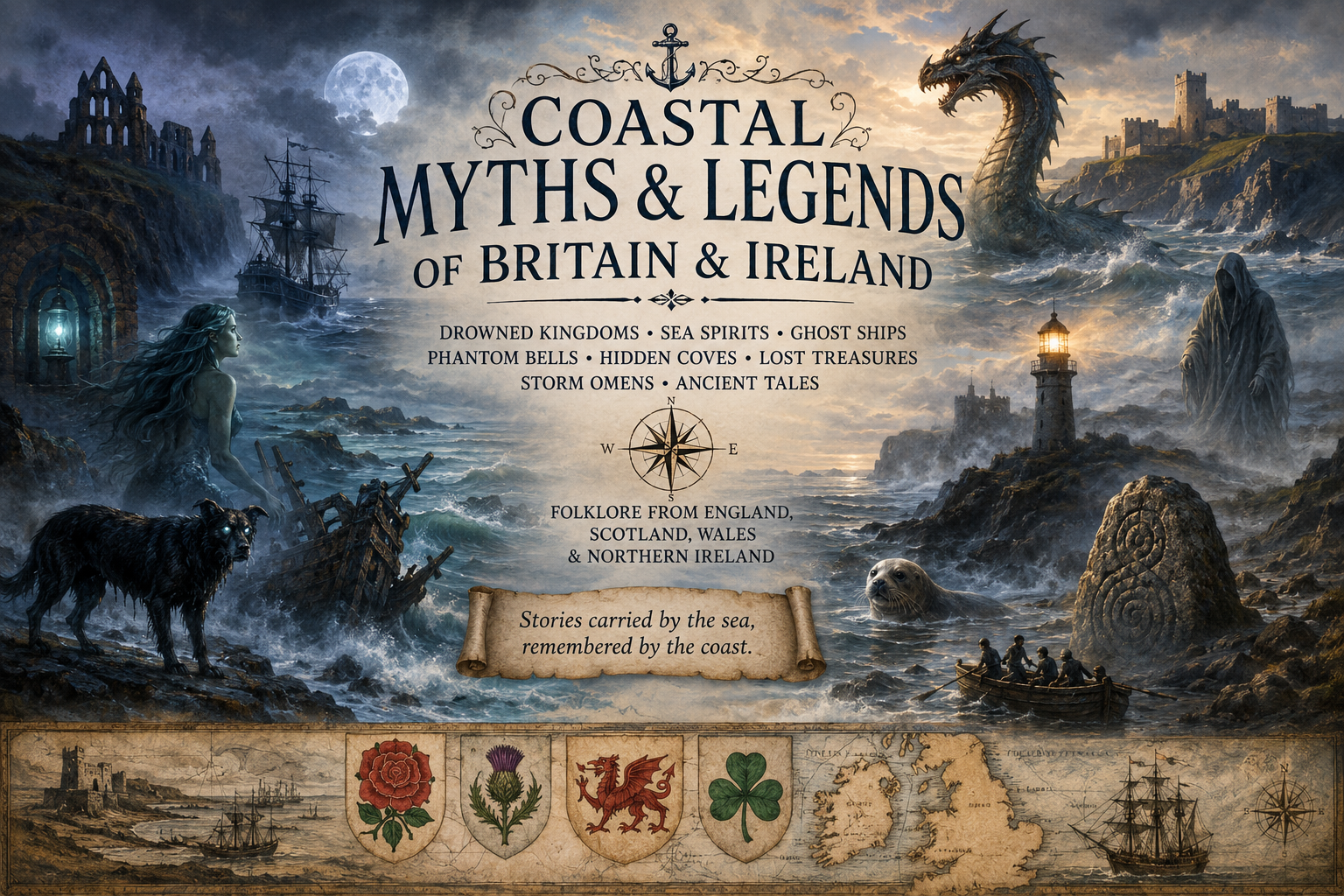
The Fairy Flag itself, traditionally associated with Dunvegan on Skye, was reputed to possess protective qualities when displayed in times of danger. Although the stronger traditions belong to Clan MacLeod territory, the story travelled widely through the sea routes linking Skye with Wester Ross harbours and anchorages. Local boatmen along the mainland coast appear to have treated the tale with a degree of respectful caution rather than literal belief. By the late nineteenth century the account had already acquired elements of romantic retelling, and modern versions often exaggerate its significance. Earlier references suggest a more restrained understanding: the flag represented inherited protection and clan continuity in a region where maritime loss remained common.
Crossings from places such as Poolewe, Mellon Charles and the shores near Applecross were historically vulnerable to rapid weather changes generated in the Minch. Sudden squalls descending from the hills, combined with Atlantic swell entering from the north-west, could quickly render open boats unmanageable. In consequence, certain stretches of water acquired reputations for requiring favourable omens or careful observance before departure. Accounts recorded in Wester Ross occasionally mention crews delaying a passage after ill-judged words, the sighting of particular birds, or unusual sea conditions at harbour mouths. Such beliefs reflected caution born from experience rather than outright superstition.
Gaelic folklore in the district also contains scattered references to supernatural women or “little people” associated with shorelines and freshwater burns entering the sea lochs. However, these traditions are generally inland or domestic in nature and only loosely connected with navigation. Maritime folklore in Wester Ross remained chiefly practical, concerning safe arrival, weather judgement and the hazards of exposed crossings. The region’s sparse anchorages and long distances between sheltered havens encouraged a conservative seamanship in which inherited sayings carried weight alongside local knowledge of tide and current.
Fishing communities around Gairloch and Loch Ewe preserved certain customs into the early twentieth century, including avoidance of unlucky speech aboard boats and reluctance to rename vessels without ceremony. Similar observances occurred throughout the Hebrides and north-west Highlands. While later writers occasionally embroidered these practices into tales of enchantment, contemporary accounts indicate that most mariners regarded them as traditional safeguards rather than articles of firm belief.
Today the sea lochs and mountain-backed coast of Wester Ross retain much of the austere character that gave rise to these traditions. The folklore attached to the Fairy Flag and to westward crossings reflects a coastline where weather, tide and distance long shaped both navigation and imagination.

Comments