

hamstersahoy
The Mad, Bad Tale of a Bum, a Rusty Boat, a Hamster, Three Psychotic Chicks & a Ghosty Geezer!
Home Project Journal Insights Photography Applied Lessons

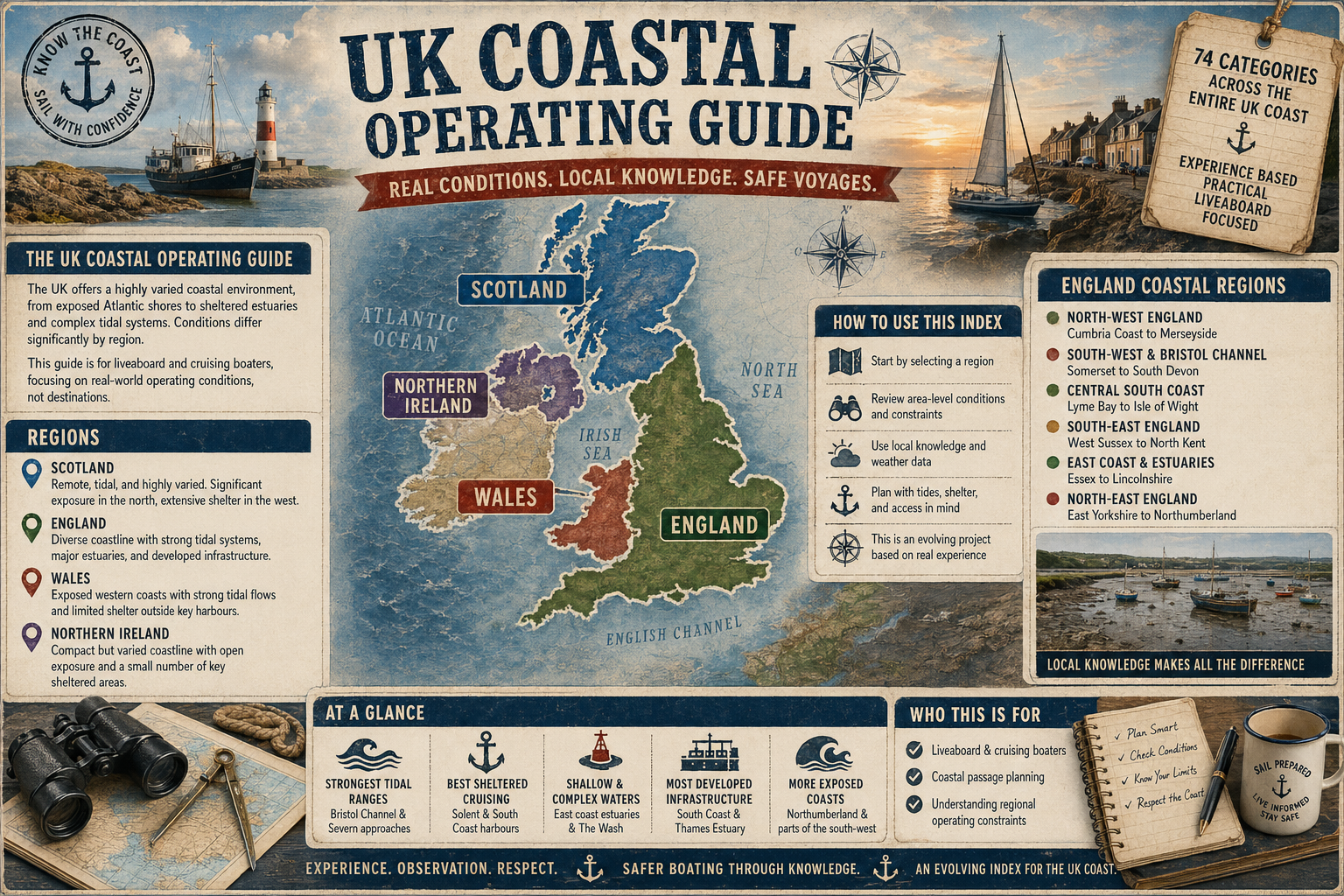
A FREE HamstersAHOY! Resource For UK Liveaboard Cruisers

Find Your Cruising Ground here

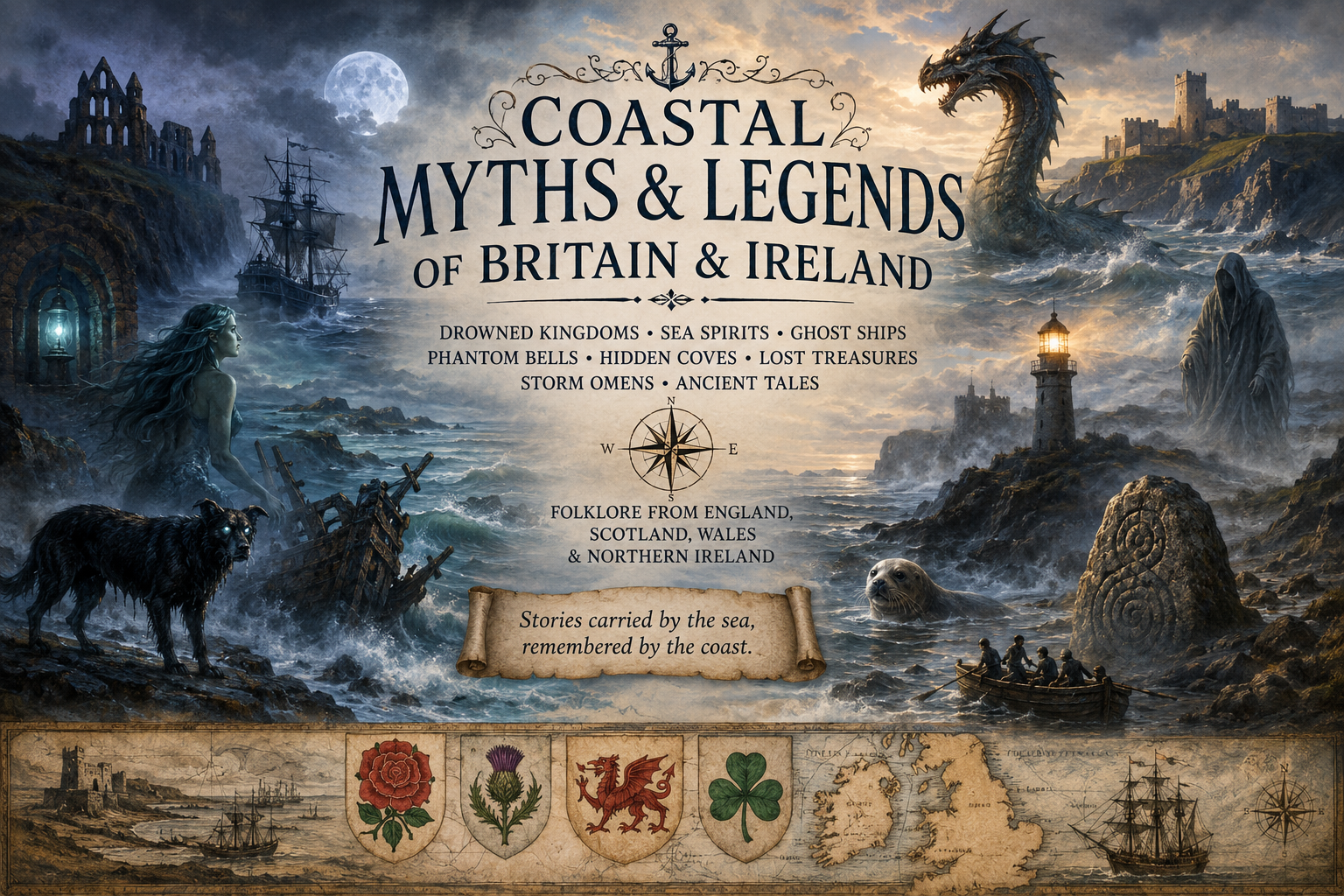
A FREE HamstersAHOY! Resource For UK Liveaboard Cruisers

Select Your Dragon here

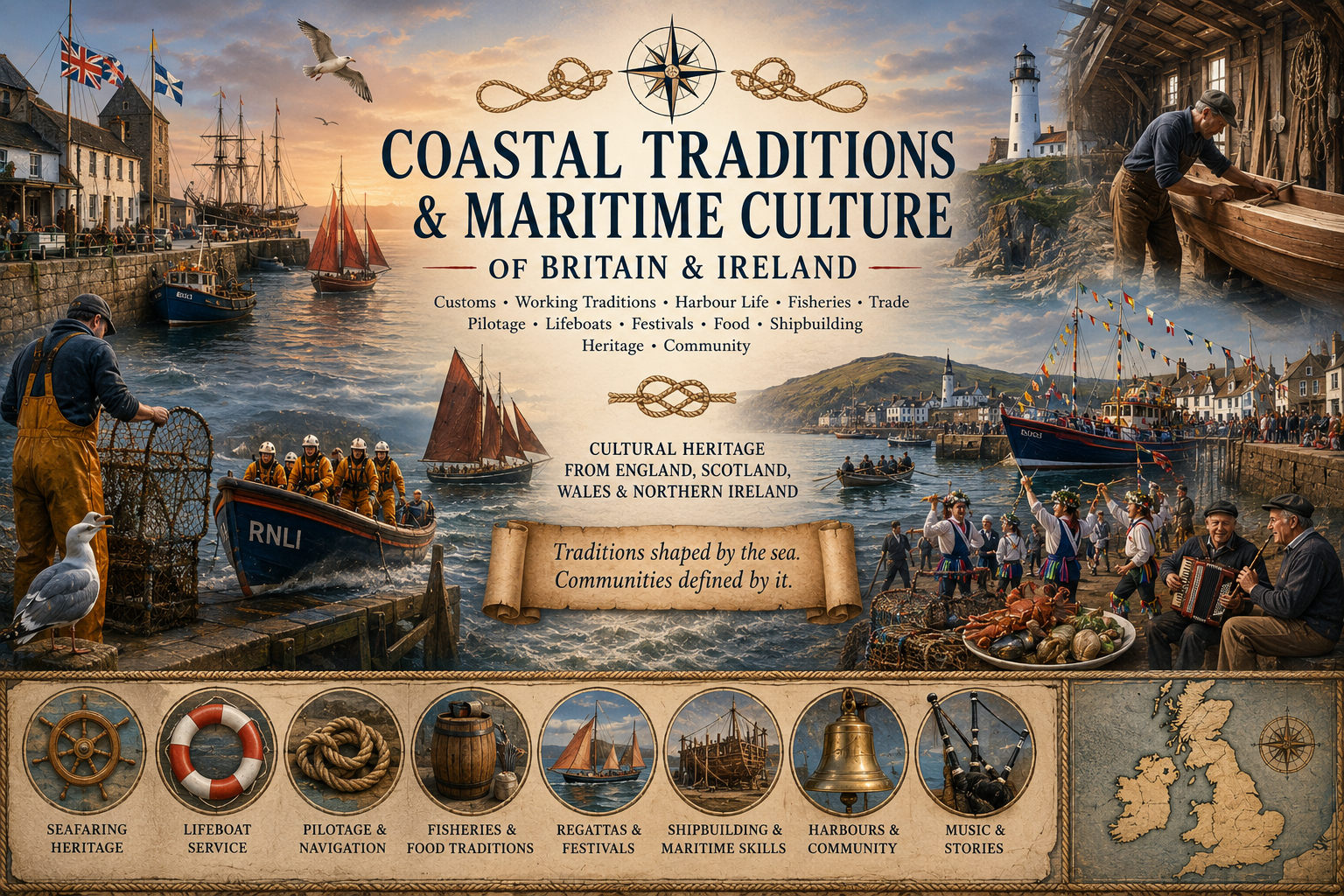
A FREE HamstersAHOY! Resource For UK Liveaboard Cruisers

Find Heritage here

HamstersAHOY!
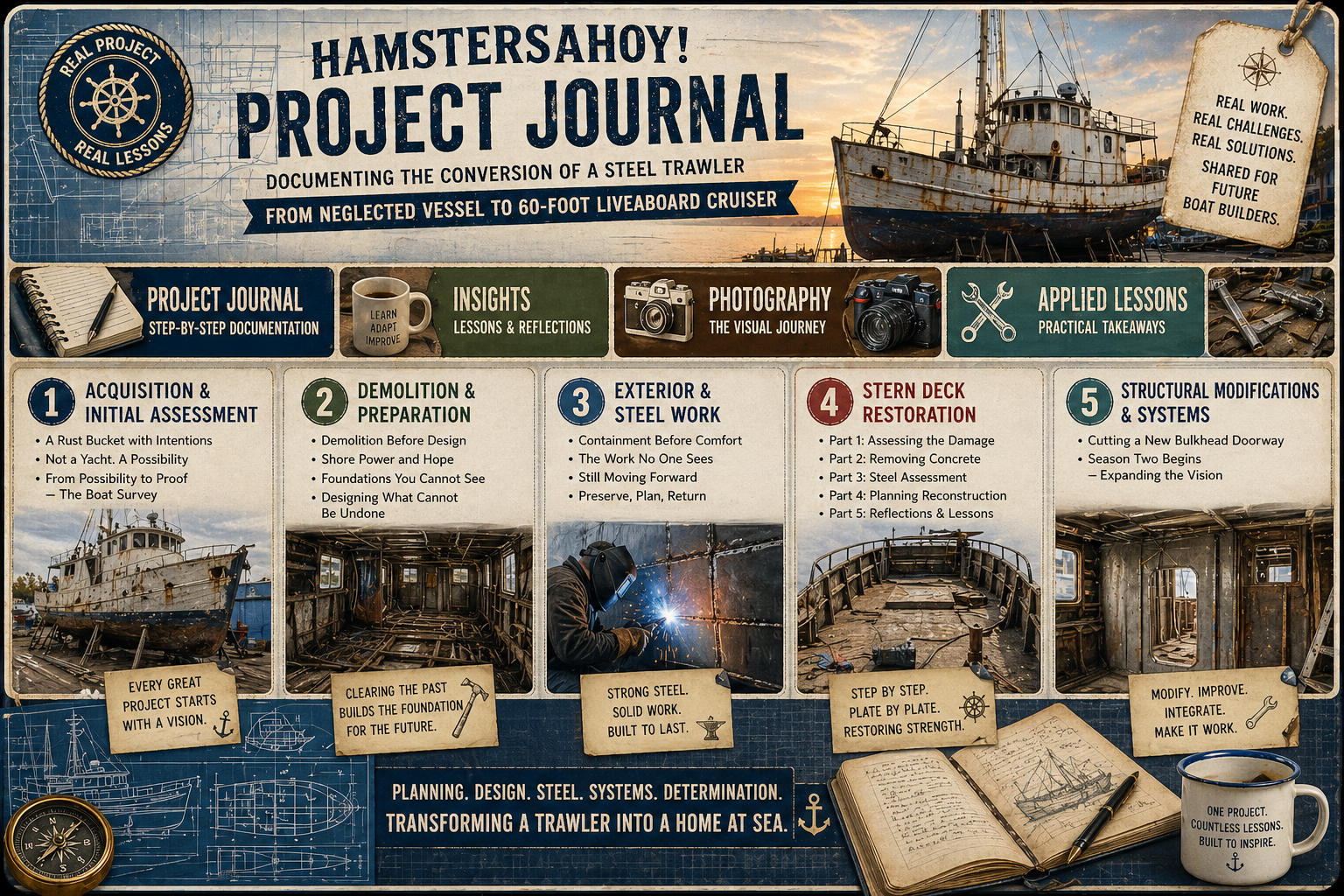
Project Journal

Follow Our Conversion

Captain Pedro's
Ocean Adventures

Captain Pedro's Ocean Adventure

Follow The EPIC Journey

HamstersAHOY!
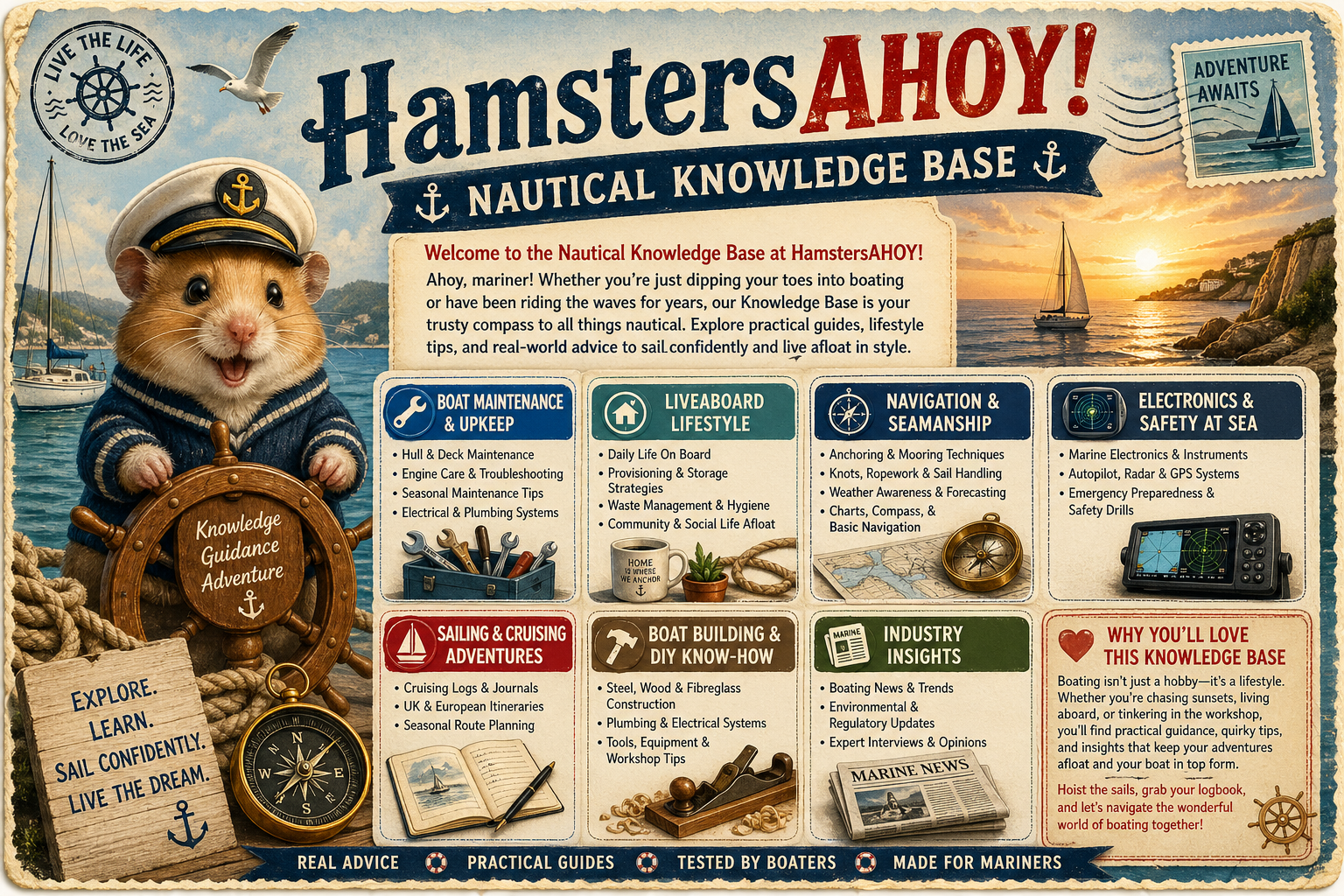
Nautical Knowledge Base

Boating Skills To Keep You Afloat

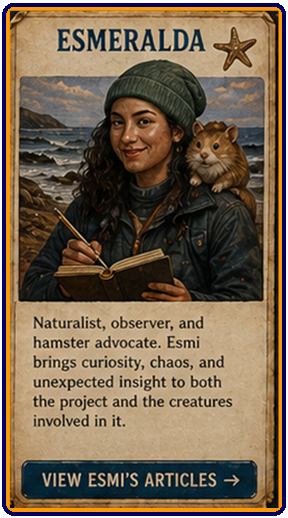
Meet Esmeralda Gonzales — Legend of Railway Embankments & Hamster Whisperer

Esmeralda, or “Esmi,” is a naturalist of the highest order with a unique obsession: Pedro, the slightly bewildered hamster. Observed frequently along nationwide railway embankments, she brings chaos, charm, and a strange kind of brilliance to HamstersAHOY!

A Little About Esmi

♦   Expert observer of animals, especially those with fur

♦   Uncanny storytelling skills and literary feats

♦   A knack for turning absurdity into practical insight on marine projects

Esmi and Pedro

According to Esmeralda, every proper vessel needs a small creature of limited competence to absorb bad luck. In our case, Pedro is that creature. While he cannot operate a winch, Esmi ensures he stays at the centre of the team’s moral compass—and occasionally, the comic relief.

Next in the Series

Meet the finance wizard and boot enthusiast who keeps our slush fund afloat. Next: Dame Twinkles Toothpick III →

Dee Pilotage and Estuary Traditions of the Wirral Coast

  • Wirral & Dee Estuary (England side)

The English shore of the Dee Estuary retains a maritime character shaped principally by tidal navigation, cross-river communication and inshore fishing. From Seacombe and Woodside southward through Parkgate, Heswall and the marsh-fringed reaches towards Burton and Neston, local practice developed around the difficult waters of the Dee and the approaches to Liverpool Bay. Although much altered by dredging, embankment and modern port traffic, the estuary still carries evidence of older pilotage traditions and working coastal routines associated with shifting sands, narrow channels and strong tidal movement.

Lancashire Fylde Coast: Maritime Culture and Coastal Practice

  • Lancashire Fylde Coast

The Lancashire Fylde Coast extends from the approaches to the Ribble estuary northwards towards Fleetwood, with a broad frontage of sandy shore, shifting tidal flats and comparatively shallow inshore waters. From a seaward perspective the coastline is defined less by natural harbourage than by engineered access points and estuarine channels, with navigation often constrained by tide, sand movement and the long fetch of the Irish Sea. Maritime activity here has historically been concentrated at Fleetwood and, to a lesser extent, the Ribble-side ports serving Lytham and St Annes.

Vale of Glamorgan Coast — Smugglers’ Caves and Wrecking Traditions

  • Vale of Glamorgan Coast

The coast of the Vale of Glamorgan has long carried a modest but persistent association with smuggling and wreck lore, encouraged by its broken limestone cliffs, narrow coves and the difficult waters of the inner Bristol Channel. Though the district lacks the stronger contraband traditions of parts of Cornwall or Pembrokeshire, local accounts from around Nash Point, Dunraven Bay and the inlets west of Barry record occasional use of secluded shore access for the landing of spirits, tobacco and other untaxed goods during the eighteenth and early nineteenth centuries. Many such stories survive chiefly through local oral history and later antiquarian writing, and details are often uncertain.

North Pembrokeshire – Witch Folklore of Remote Coves

  • Pembrokeshire North

The north Pembrokeshire coast, from Strumble Head to the approaches of St David’s Head and the small inlets beyond, carries a modest body of folklore in which isolated coves and cliff-foot landings are occasionally associated with witchcraft traditions. These accounts are not uniformly recorded and should be treated with caution; they sit alongside a broader Welsh rural tradition of attributing unexplained coastal occurrences to “cunning folk” or ill-wishing rather than forming a coherent or well-documented narrative. In pilotage terms, they are of cultural interest only and do not materially affect navigation, though they reflect historic perceptions of a difficult and exposed shoreline.

Bardsey Island Spirits and Pilgrim Ghosts

  • Llŷn Peninsula

The western extremity of the Llŷn Peninsula has long carried a reputation for religious tradition and maritime superstition centred upon Bardsey Island, known in Welsh as Ynys Enlli. Lying beyond the tidal waters of Bardsey Sound, the island was for centuries associated with pilgrimage, monastic settlement and burial. Local belief, recorded in varying forms during the nineteenth and early twentieth centuries, held that the waters between the mainland and the island were occasionally troubled by the presence of wandering spirits or the voices of departed pilgrims. Such accounts formed part of the broader religious character of the district rather than any distinct ghost lore in the modern sense.

The Cloch Lighthouse Ghost

  • Firth of Clyde North

The northern reaches of the Firth of Clyde, extending from the lower estuary off Greenock toward the narrows of the Inner Clyde, carry a substantial body of maritime folklore shaped by fog, strong tidal movement and long association with coastal trade. Among the better-known local traditions is the reported apparition connected with Cloch Lighthouse, situated on Cloch Point at the entrance to the Gare Loch approaches. The account has persisted for many years in local seafaring circles, though details vary and are seldom presented with certainty.

Skye & Lochalsh: Fairy Bridge Voyage Blessings

  • Skye & Lochalsh

Among the coastal traditions of Skye and Lochalsh, few are more consistently recalled than the custom of acknowledging the Fairy Bridge before departure or return by sea. The practice is chiefly associated with the road crossing near Sconser on the eastern side of Skye, overlooking waters long used by fishing craft, ferries and small coastal vessels passing through the Inner Sound and adjoining narrows. Although often described in modern terms as a curiosity for visitors, the observance appears to derive from older Highland beliefs concerning safe passage and respect for particular places regarded as possessing local significance.

  1. Angus Coast — Sea Cave Spirits and Storm Omens
  2. North Highland Coastal Waters: Note on the Blue Men of the Minch
  3. Selkie Folklore of the County Down Coast
  4. Black Middens Wreck Folklore
  5. East Yorkshire Coast – Flamborough Head and Associated Dragon Traditions

Page 1 of 6

  • 1
  • 2
  • 3
  • 4
  • 5
  • 6

Advanced Search

Pedro's Locker

"All Aboard!"
"Sorry, No Boarding Pass = No Entry!"

  • Forgot your password?
  • Forgot your username?

Random Images ...

Five To Check Out ...

  • Food is only part of the provisioning picture for liveaboard life
  • Tidal Rivers UK: Navigating Flow, Slack Water, and Coastal Transitions
  • Bilge Pumps and Water Management: Protecting Your Liveaboard Boat from Water Intrusion
  • Marine Autopilot Systems: Precision and Ease on UK Waters
  • Henley Royal Regatta 2026 – World-Famous Rowing on the Thames

Site Articles

Everything you ever wanted to know about HamstersAHOY! through Quick Links is right here ...

  • Conversion Project Start
  • Nautical Knowledge Base Start
  • UK Coastal Operating Guide
  • Meet The Crew
  • Middle Watch Musings
  • Traditions & Culture
  • Myths & Legends
  • Pedro's Ocean Adventures
  • Terms & Conditions
  • Privacy Policy
  • Cookie Notice
  • About & Contact
  • COP Methodology Explained
  • Copyright & Trademarks
  • Sitemap