


Among the coastal traditions of Skye and Lochalsh, few are more consistently recalled than the custom of acknowledging the Fairy Bridge before departure or return by sea. The practice is chiefly associated with the road crossing near Sconser on the eastern side of Skye, overlooking waters long used by fishing craft, ferries and small coastal vessels passing through the Inner Sound and adjoining narrows. Although often described in modern terms as a curiosity for visitors, the observance appears to derive from older Highland beliefs concerning safe passage and respect for particular places regarded as possessing local significance.
The waters between Skye and the mainland have always demanded careful handling. Strong tidal streams run through Kyle Rhea and the Kyle of Lochalsh, while sudden gusts descending from the Cuillin and Red Hills may affect anchorages that otherwise appear sheltered. Before modern forecasting and powered craft, departures from small harbours such as Portree, Broadford and Kyleakin were commonly influenced by weather signs, local custom and inherited caution. In that setting, minor rituals attached to departure carried practical as well as symbolic weight. The gesture associated with Fairy Bridge was generally modest: a spoken greeting, a blessing for the voyage, or the sounding of a vehicle horn when crossing inland before proceeding to the coast.
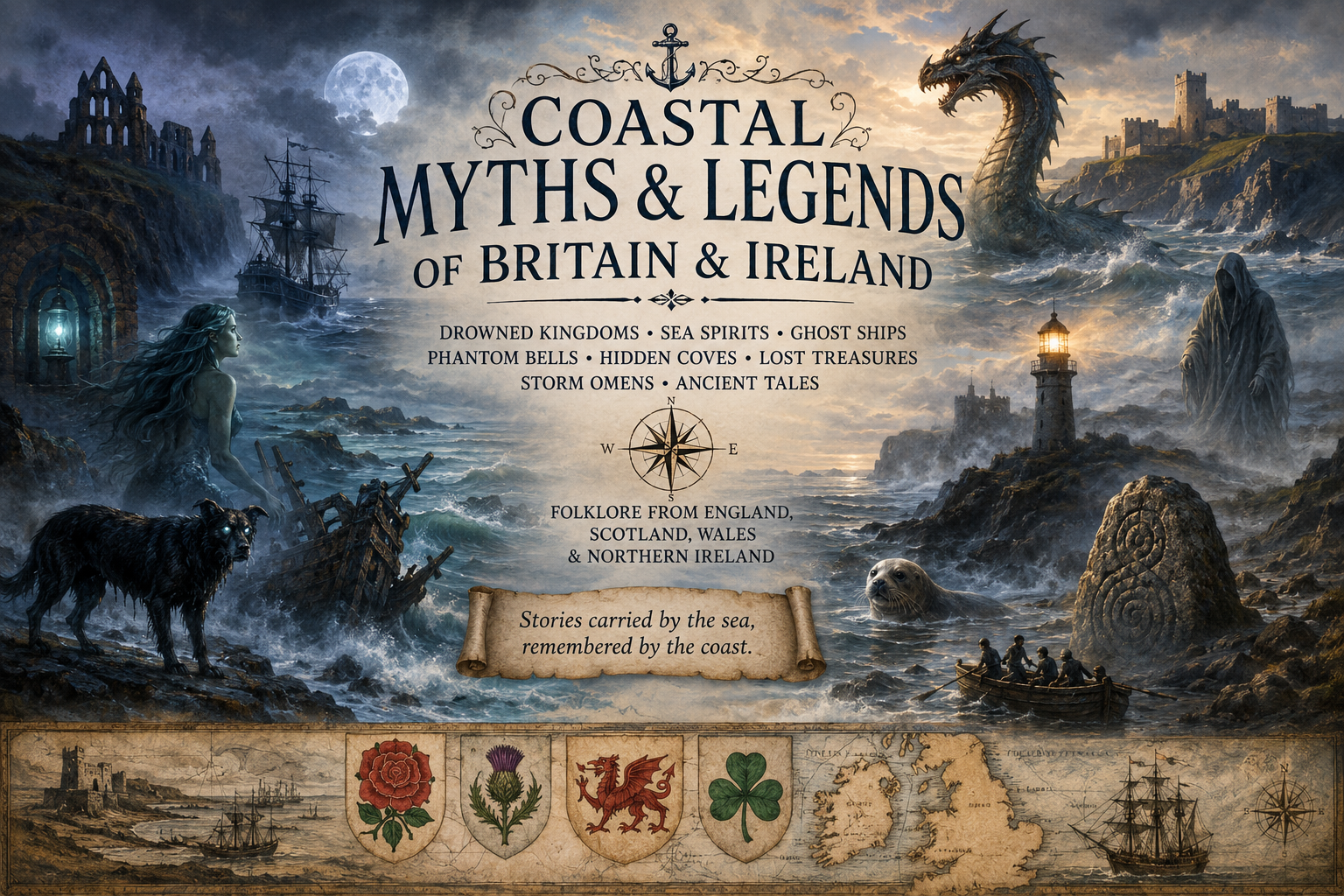
Local accounts vary as to the exact antiquity of the custom. Some suggest a connection with older Gaelic beliefs concerning spirits or protective presences attached to particular burns and bridges, while others regard it simply as a seafarers’ habit of acknowledging a recognised landmark before embarking. Firm documentary evidence is limited, and much surviving detail is oral in character. Nevertheless, the tradition has remained unusually persistent compared with similar practices elsewhere on the west coast.
Its maritime association is strengthened by the geography of the district. Routes from the Inner Hebrides towards Loch Alsh, Raasay Sound and the Minch were historically worked by open fishing boats, mail packets and small cargo craft carrying livestock, timber and provisions. Crews navigating these waters faced frequent Atlantic swell, variable visibility and narrow channels where tide and wind could oppose one another sharply. Under such conditions, customary blessings before sailing were neither exceptional nor theatrical. Across the Hebrides, fishermen commonly avoided careless language before putting to sea, and certain landmarks acquired reputations as places where respect should be shown before beginning a passage.
The Fairy Bridge custom appears to have occupied that restrained category of maritime observance. There is little evidence that mariners believed the bridge itself possessed supernatural powers in any literal sense. Rather, the act of acknowledgement formed part of a broader coastal habit in which seamanship, local memory and inherited superstition overlapped. Similar practices were once noted around wells, headlands and church sites elsewhere in western Scotland, particularly where journeys depended upon favourable weather and tides.
Older boatmen from Lochalsh occasionally referred to the custom in practical terms, remarking that no harm came from observing it and little good from neglecting it. Such remarks were characteristic of west coast fishing communities, where fortune at sea was seldom discussed directly. The custom also reflected the relative isolation of many settlements before the bridge to Skye and later road improvements altered communication throughout the district. In former years, departures from small piers and tidal landings were significant occasions, especially during winter crossings when conditions in the Sound could deteriorate rapidly.
Today the tradition survives chiefly in local memory and among residents who continue the gesture as part of regional identity rather than strict belief. Visitors travelling towards the ferries or marinas at Kyleakin and Broadford occasionally observe the practice without fully understanding its maritime origin. Even so, it remains linked to the long history of cautious voyaging through the channels, sounds and sea lochs of the Inner Hebrides.
As with much folklore of Skye and Lochalsh, the voyage blessing associated with Fairy Bridge reflects a coastline where weather, tide and tradition long shaped the conduct of those who travelled by sea.

Comments