Meet Dame Twinkles Toothpick III (certNatSci)

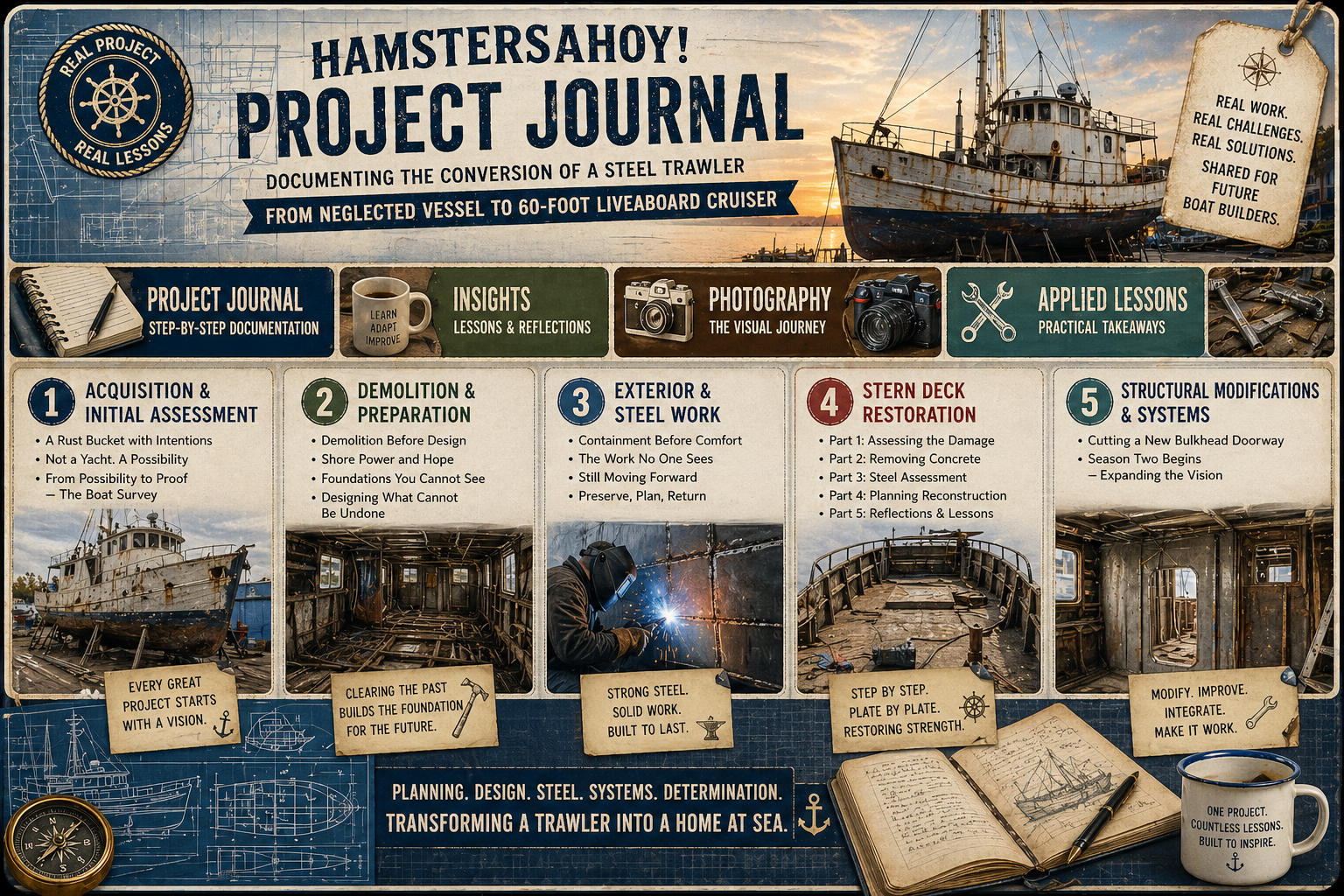
Known also as Twinkie, Lilly Crabtree, or Spud Wilson depending on the day, Dame Twinkles Toothpick III is co-founder, Project Purser, and principal slush fund coordinator for HamstersAHOY!. A firm grounding in finance, boots, and unyielding frills ensures no one crosses her when closets are involved.
A Little About Twinkie
♦ Experienced finance professional with creative accounting prowess
♦ RYA Day Skipper and certified Natural Scientist
♦ Internationally qualified beautician with multilingual skills
Twinkie’s Role in the Project
Twinkie ensures that the team has the resources needed to complete the conversion. She navigates finance, logistics, and unexpected demands from Port authorities with flair. When she’s not managing the books, she’s overseeing wardrobe standards on board.
Next in the Series
Meet the marketing mastermind and fleeting dockyard welding legend. Next: Prudence Fishwater →
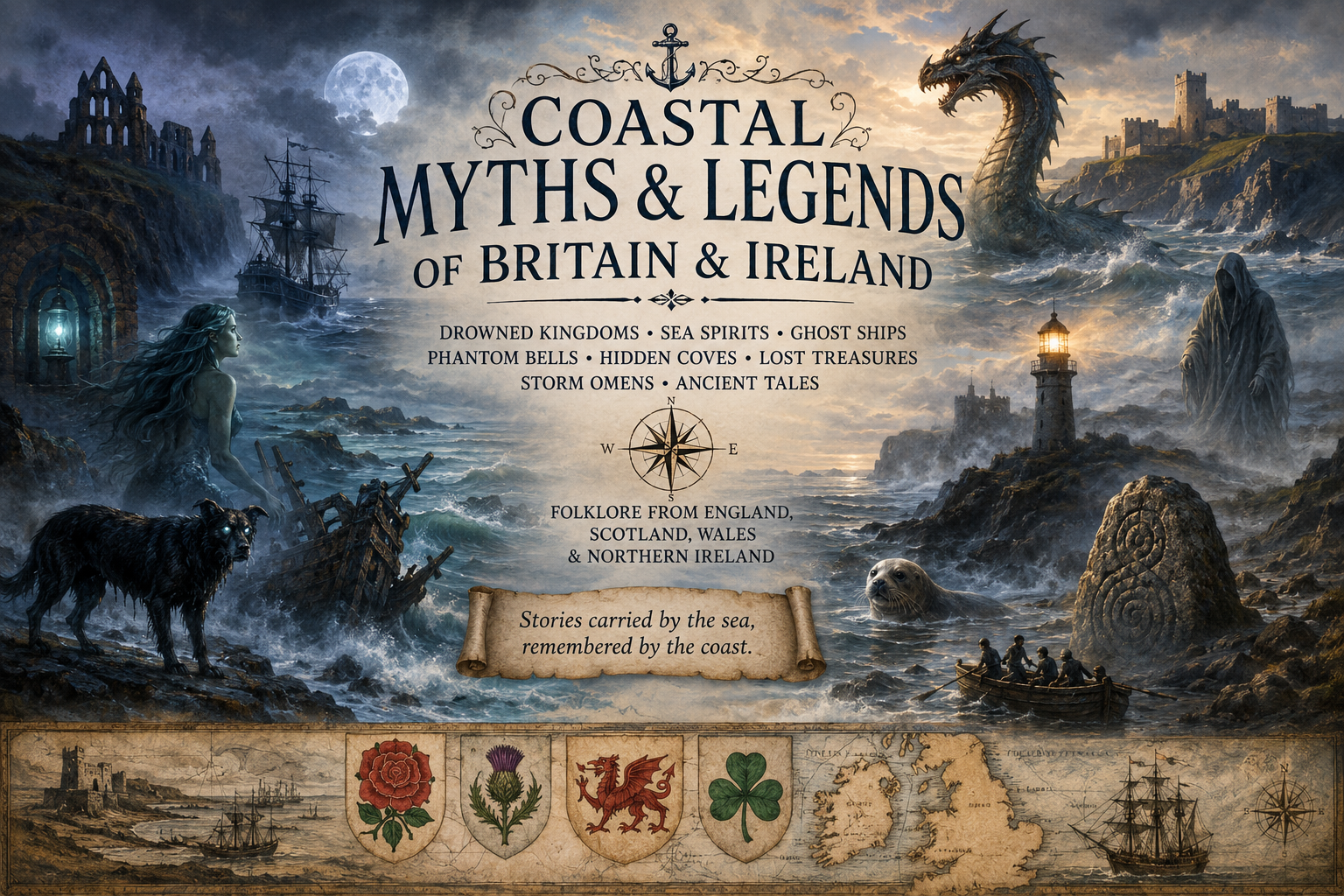
Belfast Lough has long carried a modest body of maritime folklore concerning indistinct vessels reportedly seen in fog or poor visibility, particularly in the outer reaches of the lough and along the approaches from the North Channel. Though less elaborate than the phantom ship traditions attached to parts of the Atlantic coast, the stories associated with these waters are persistent enough to have entered local seafaring conversation over successive generations. Most accounts describe silent or poorly defined craft appearing briefly in dense haze before fading from sight without trace or signal.
The Durham Coast possesses a modest but persistent body of maritime folklore connected with the former coal trade of the north-east coast. Unlike the more elaborate legends of remoter shores, local accounts here are generally restrained and practical in character, reflecting the hard commercial traffic that once dominated the coastal waters between the Tyne and the Tees. Stories of apparitions, unexplained sightings offshore, and the supposed return of lost colliers were long associated with the hazardous coal-shipping routes worked from small harbours beneath the limestone cliffs.
The Humber Estuary is a broad, tidally active waterway on England’s east coast, formed by the confluence of the River Humber and its tributaries, and opening into the North Sea between Lincolnshire and the East Riding of Yorkshire. It is a region long associated with demanding pilotage conditions rather than settled maritime legend, though a small body of anecdotal accounts from pilots and harbourmen has occasionally been grouped under the informal label of “ghost pilot” lore. These accounts are not part of any formally recorded folk tradition and should be treated with caution, yet they persist in oral maritime culture.
The low shores and tidal estuaries of North Essex possess a long association with local witch tradition and with the older customs of the oyster fisheries. Unlike the more dramatic legends found on exposed Atlantic coasts, the folklore of this shoreline is restrained and practical in character, shaped by mudflats, saltings and the uncertain channels of the East Coast rivers. Many accounts survive only in fragmentary local record or oral recollection, though the association between the Essex coast and witchcraft has remained persistent since at least the seventeenth century.
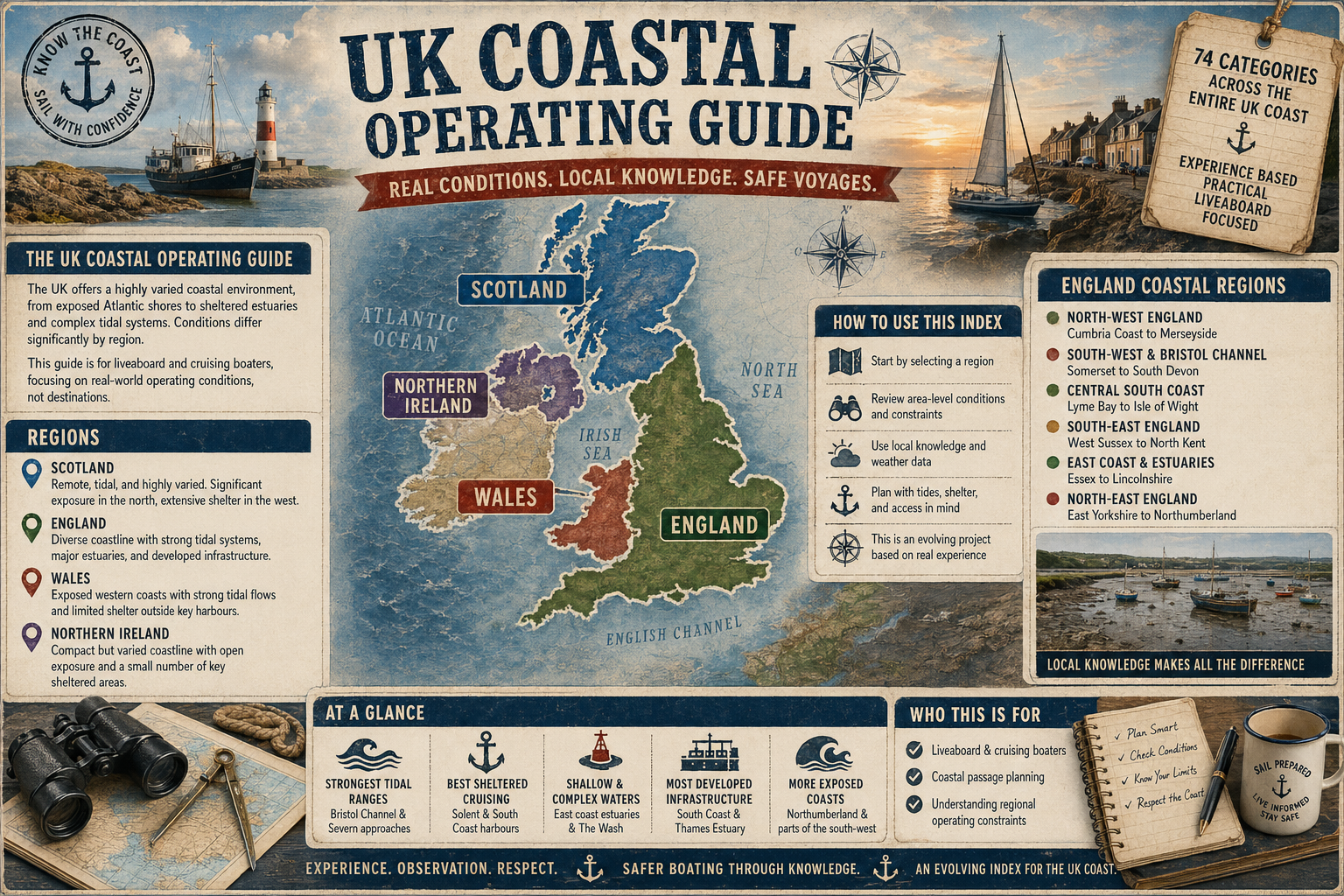
The Cumbria Coast, extending from the Solway Firth southwards past Maryport, Whitehaven, Workington and down to Barrow-in-Furness, presents a discontinuous but persistent maritime working frontage. Its character is shaped less by continuous small fishing settlements than by a sequence of industrial and market ports separated by long stretches of tidal shore, estuary and reclaimed ground. Offshore waters are generally exposed to the Irish Sea, with the Solway in the north governed by extreme tidal range and fast-setting channels that have long influenced inshore working methods and the timing of coastal navigation.
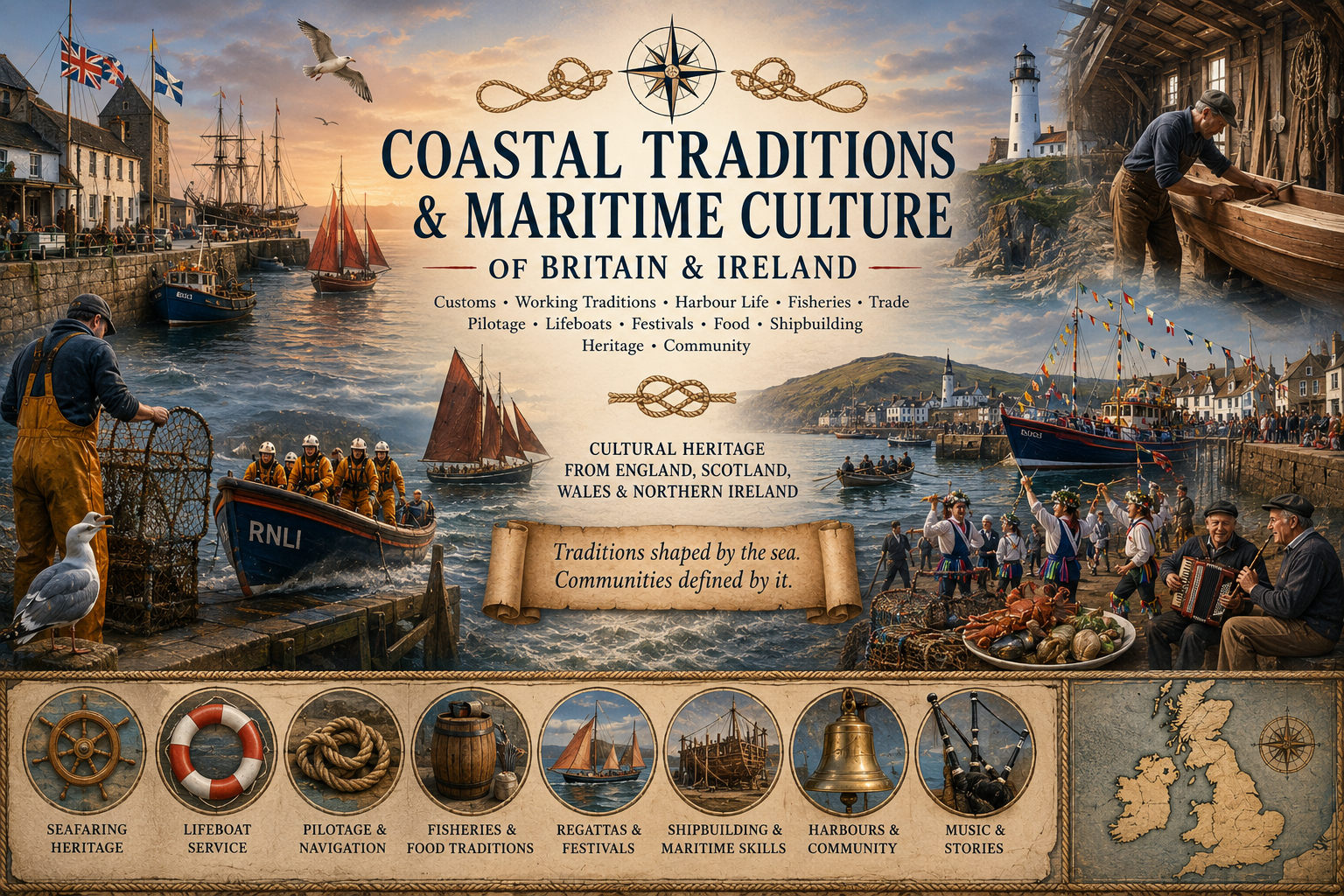
The coasts of Britain and Ireland possess a wide range of maritime customs, working traditions and local seafaring cultures shaped by tides, fisheries, trade routes, naval history and the practical demands of coastal life. For centuries, harbour communities, fishermen, pilots, ferrymen, lifeboat crews, shipwrights and coastal traders developed distinctive regional practices closely connected with local waters and conditions.
Among the more persistent coastal superstitions of southern England is the long-standing avoidance of the word “rabbit” on the Isle of Portland. The custom remains closely associated with the waters and harbours of Weymouth and Portland, where fishermen, quarrymen and local boatmen traditionally preferred indirect expressions such as “underground mutton” or simply “bunny”. Though often treated lightly by visitors, the belief held considerable force within the island community well into the twentieth century and survives in reduced form today.