




Ferry crossings and pleasure boating culture
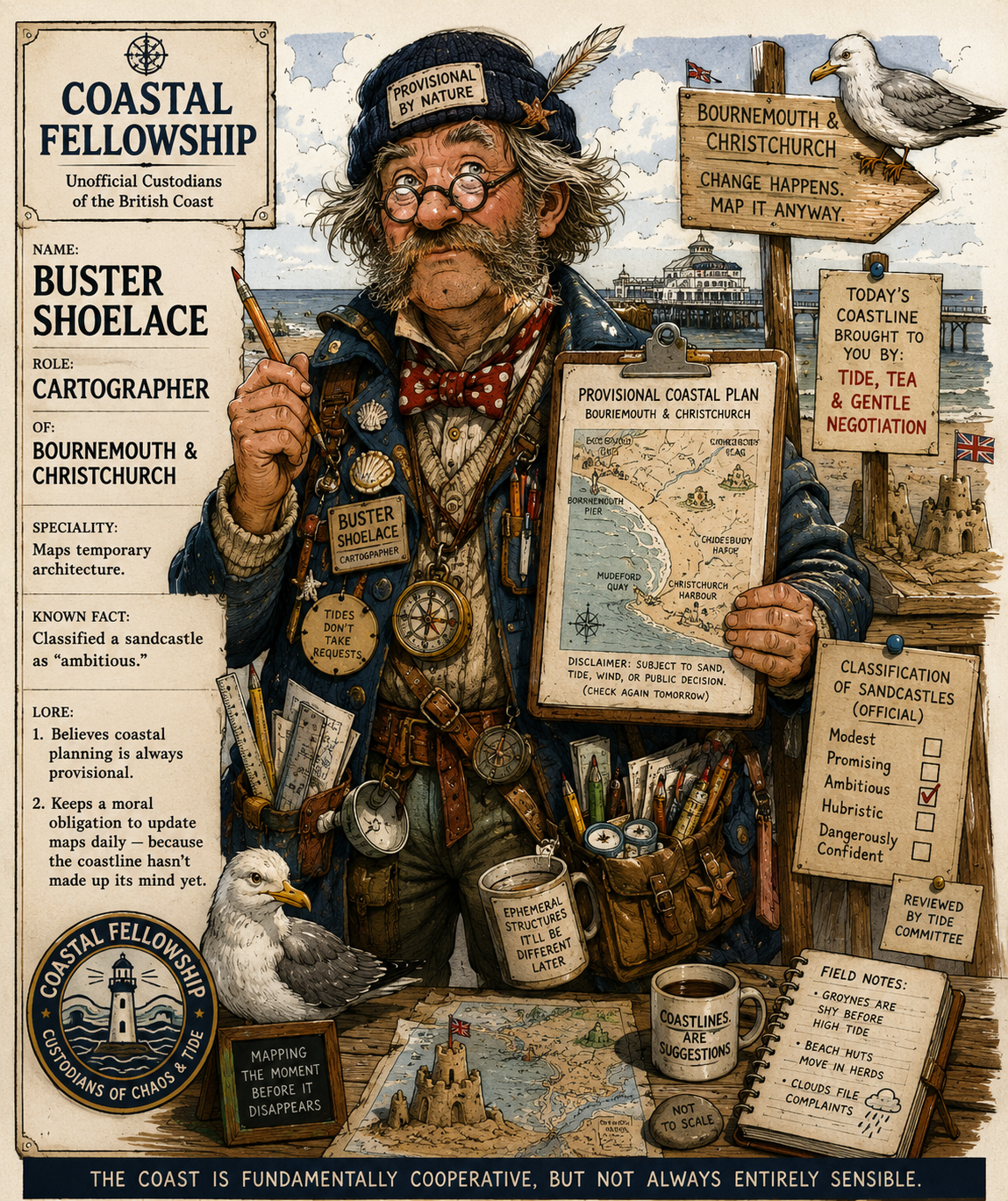
The coastline between Bournemouth and Christchurch presents two contrasting maritime settings. Bournemouth developed primarily as a seaside resort with open beaches offering little natural shelter for commercial shipping, while Christchurch Harbour has long provided a sheltered tidal haven supporting local craft, fishing and small-scale coastal trade. The cultural association of the district with ferry crossings and pleasure boating is therefore centred chiefly upon the harbour and the tidal reaches of the Rivers Avon and Stour. Although many older working traditions have become fragmentary, they remain evident in local navigation, boating practice and harbour management.
Christchurch Harbour is a shallow tidal estuary entered through a narrow channel whose position has altered periodically under the influence of tides, storms and sediment movement. Safe passage has traditionally depended upon local knowledge of the entrance and careful attention to tide and weather. The harbour's sheltered waters supported fishing boats, oyster gathering, eel fishing and the transport of agricultural produce from surrounding settlements. Small cargo vessels once carried timber, coal and other goods serving communities along the estuary, although this trade steadily declined with improvements to inland transport during the nineteenth and twentieth centuries.
The harbour also maintained practical ferry connections. Crossings between Mudeford and Hengistbury Head reduced lengthy journeys around the upper reaches of the estuary and became an accepted part of local movement by residents, fishermen and visitors alike. Such ferries were governed by tide, weather and the changing condition of the harbour entrance rather than fixed timetables. Although modern operations serve a different pattern of use, the crossing preserves the long-established function of linking communities separated by tidal water rather than distance alone.
Pleasure boating became increasingly significant from the late nineteenth century as Bournemouth expanded and recreational sailing gained wider popularity. Christchurch Harbour offered sheltered conditions suitable for rowing boats, sailing dinghies and later small motor craft. Local sailing clubs encouraged organised racing and seamanship, while slipways, boatyards and moorings gradually assumed greater importance than commercial wharves. The harbour consequently developed a mixed character in which working boats and recreational craft shared limited water space according to season and tide.
Boatbuilding and repair formed a modest but persistent local industry. Small yards constructed and maintained fishing boats, dinghies and harbour launches using methods suited to sheltered estuarine waters rather than deep-sea vessels. Much of this work has diminished or shifted towards maintenance of private leisure craft, yet practical skills in wooden boat repair and small-craft engineering continue in a limited form. Chandlery, mooring services and winter storage now occupy functions once associated with more varied commercial activity.
Fishing survives on a reduced scale compared with earlier generations. Small inshore vessels continue to work the nearby coast and harbour where conditions permit, taking species that vary according to season and local regulation. Crab and lobster potting remain familiar activities offshore, while anglers use both harbour and open coast throughout the year. The scale of these operations is modest, and they coexist with heavy recreational use of the water rather than dominating it.
Local customs connected with the sea are now expressed principally through sailing events and harbour activities rather than occupational traditions. Yacht and dinghy racing, rowing events and club regattas continue to mark the boating season, reflecting customs established during the growth of organised amateur sailing in the late nineteenth and early twentieth centuries. These occasions retain practical nautical elements, including race management, harbour safety and volunteer support, although their social significance now exceeds any commercial purpose. Older customs directly associated with fishermen or watermen survive only in scattered form and vary between communities.
The presence of volunteer lifeboat services and organised coastal rescue has become an established feature of modern maritime life. Along this stretch of coast, strong tidal streams near the harbour entrance, shifting banks and busy recreational traffic have long required attentive seamanship. Local knowledge of the harbour channel, weather conditions in Christchurch Bay and the timing of tidal streams remains valued despite modern navigation equipment. Harbour authorities continue to regulate moorings, speed limits and navigation in order to balance leisure use with environmental protection and safe passage.
Today the maritime identity of Bournemouth and Christchurch rests less upon commercial seafaring than upon everyday use of the water by local boat owners, sailing clubs, harbour workers and ferry operators. The surviving traditions are practical rather than ceremonial, shaped by tidal waters, small craft and the continuing need to adapt to changing harbour conditions. Although continuity with earlier working practices is incomplete, the harbour still functions as a living maritime landscape where navigation, ferry crossings and pleasure boating preserve a recognisable connection with the district's coastal past.
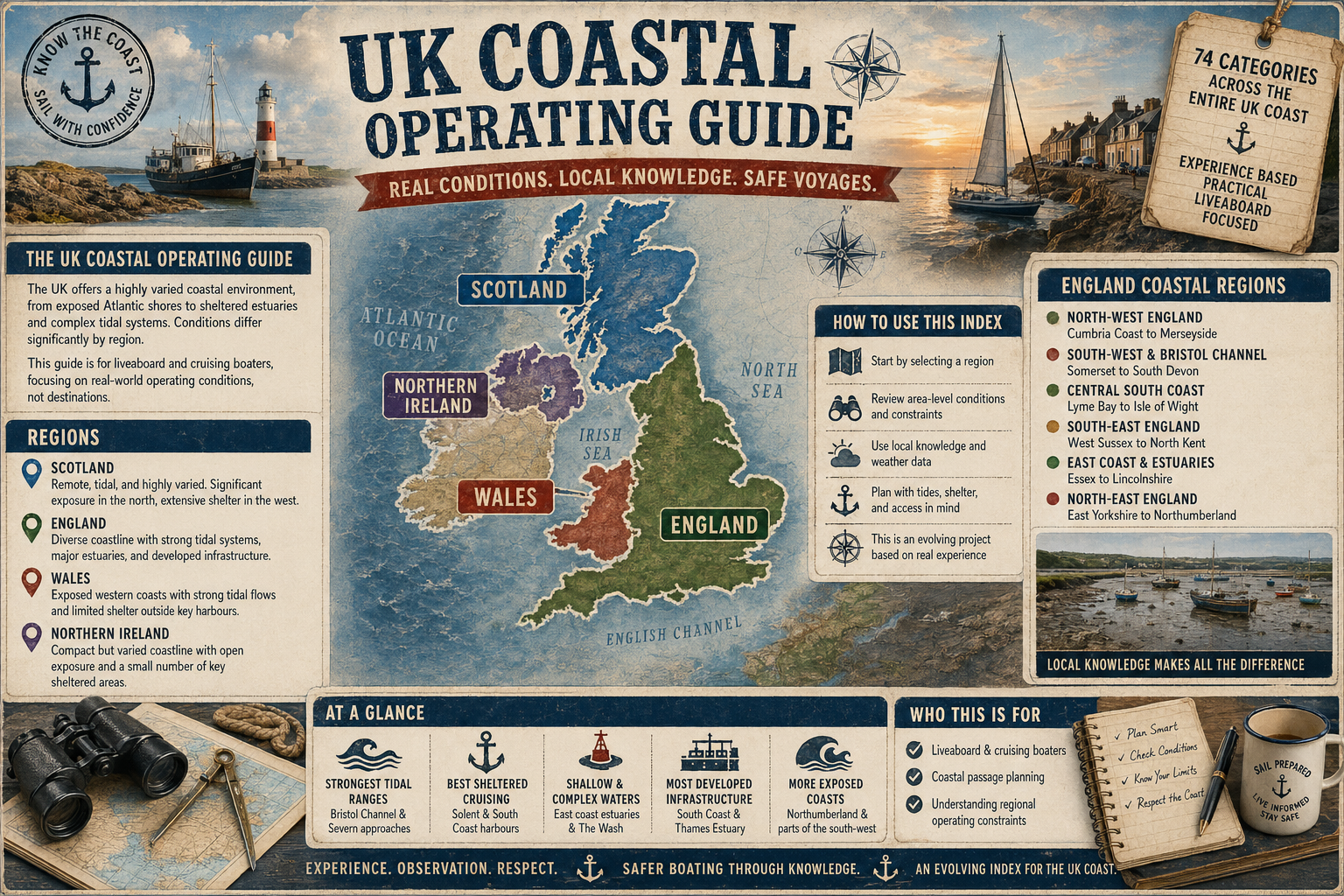
- The UK Coastal Operating Guide
- Coastal Traditions & Maritime Culture of Britain and Northern Ireland
- Coastal Myths & Legends of Britain & Northern Ireland
Comments