




Coble Fishing & Lighthouse Communities
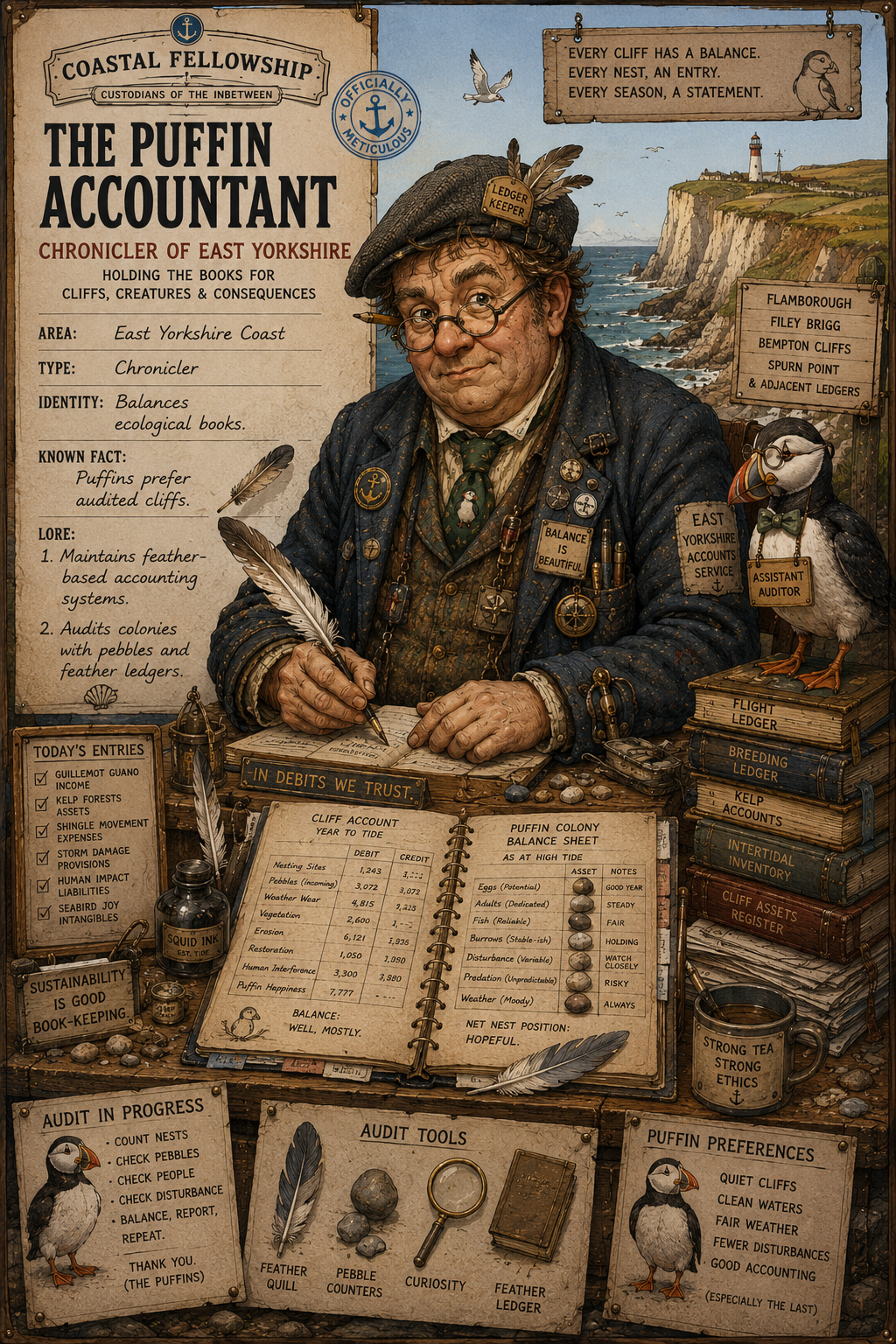
The East Yorkshire Coast has long been shaped by small fishing harbours, exposed North Sea conditions and the practical requirements of coastal navigation. Between Spurn Point in the south and Flamborough Head to the north, maritime life has developed around sheltered landing places, tidal access and the seasonal movements of local fisheries. The strongest cultural association remains with the coble, a distinctive beach-launched fishing boat whose design reflects generations of work from open shores where substantial harbour facilities were once limited. Although commercial fishing has declined from its former scale, the traditions associated with coble fishing and lighthouse communities continue to form an identifiable part of the coastline's maritime character.
The coast presents few natural harbours, making Bridlington the principal fishing port of the district, while smaller settlements such as Flamborough, Hornsea and Withernsea have historically relied upon beach launching or modest landing facilities. Offshore grounds have supported fisheries for crab, lobster and a variety of demersal species, with shellfish becoming increasingly important during the modern period. Coble construction, combining a flat floor with strongly curved bow sections, enabled vessels to negotiate surf and recover directly onto the beach where necessary. Local boatbuilders adapted traditional north-east designs to suit changing fishing methods, although comparatively few working examples are now built. The Humber Estuary to the south has also influenced maritime employment, linking coastal communities with larger commercial ports and shipping routes while maintaining distinct local fishing traditions.
Flamborough Head has always represented a notable point for navigation. Its chalk headland projects prominently into the North Sea, with changing tides and overfalls demanding careful pilotage. The lighthouse stations established there became centres of disciplined maritime service rather than isolated landmarks, supporting safe passage along a coast where weather and visibility could change rapidly. Lighthouse keepers, pilots and coastguards formed communities closely connected with local fishermen, sharing practical knowledge of tides, wrecks and coastal conditions. Although lighthouse operation has become increasingly automated, the structures continue to provide a visible reminder of these longstanding responsibilities.
Life-saving has also occupied an important place in local maritime practice. The exposed coastline has experienced numerous wrecks, particularly near Flamborough Head and along shifting sands towards Spurn. Volunteer lifeboat crews have therefore held a respected position within coastal settlements, with successive generations serving through local RNLI stations. Public support for lifeboat institutions remains evident through fundraising events and community involvement, reflecting continuity rather than ceremonial tradition. These activities are generally practical in character and remain closely connected with present-day maritime operations.
Working customs associated with the fisheries have traditionally followed seasonal rhythms rather than formal observances. Lobster and crab fisheries continue to require detailed local knowledge of grounds, tides and weather, while maintenance of pots, gear and small craft remains part of everyday harbour activity. Fish markets have altered considerably in scale, yet locally landed seafood continues to support established food traditions centred upon fresh catches rather than specialised ceremonial dishes. Regional variation should be recognised, as practices differ between Bridlington's harbour fleet, smaller inshore operators and communities connected with the Humber.
Several coastal events retain a clear maritime emphasis. Bridlington has hosted regattas and harbour celebrations at various periods, although their form has changed over time. Such occasions generally combine sailing, lifeboat demonstrations or fishing interests with wider civic participation rather than preserving fixed historical customs. Blessings of fishing vessels or religious observances connected with the sea have occurred intermittently in some communities, but these have never been universal across the East Yorkshire Coast and should be regarded as local rather than defining traditions.
Modern continuity is most clearly visible through the persistence of the inshore fishing fleet, the maintenance of harbour infrastructure and the continued operation of navigation aids around Flamborough Head, Bridlington Bay and the approaches to the Humber. Coble ownership now includes both commercial and heritage purposes, with some vessels preserved as working examples while others appear during local maritime events. Boat maintenance, seamanship and knowledge of local tides continue to be passed between generations, although often within smaller fishing communities than in the past.
Today the maritime culture of the East Yorkshire Coast remains closely connected with its working waters rather than solely with historical interpretation. Fishing, navigation, pilotage and life-saving continue to influence local identity alongside commercial shipping using the Humber approaches. The enduring presence of cobles, active harbours and lighthouse stations provides a practical link between earlier coastal occupations and the present character of this section of the North Sea coast.
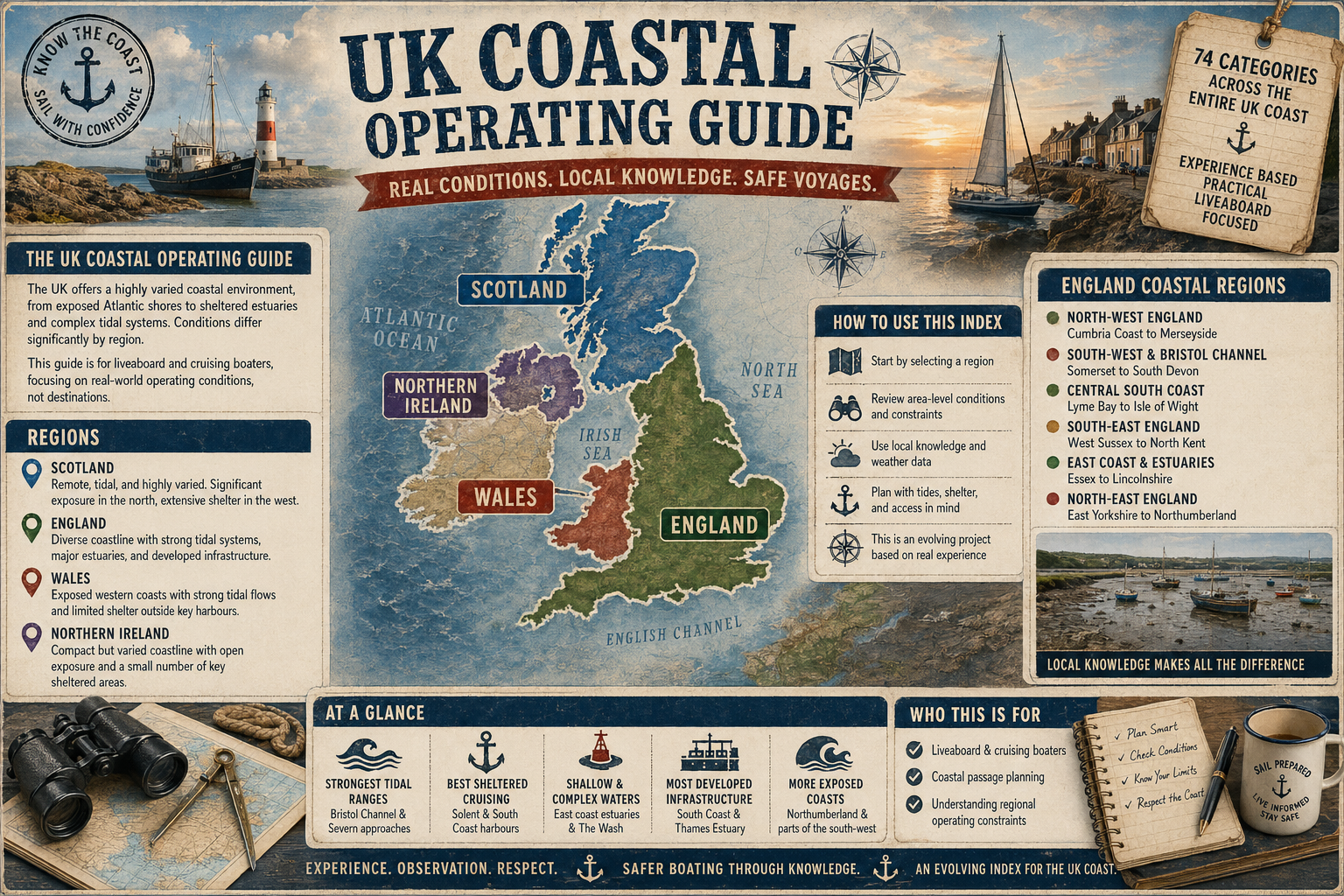
- The UK Coastal Operating Guide
- Coastal Traditions & Maritime Culture of Britain and Northern Ireland
- Coastal Myths & Legends of Britain & Northern Ireland
Comments