




Oyster Fisheries & Blackwater Sailing Traditions
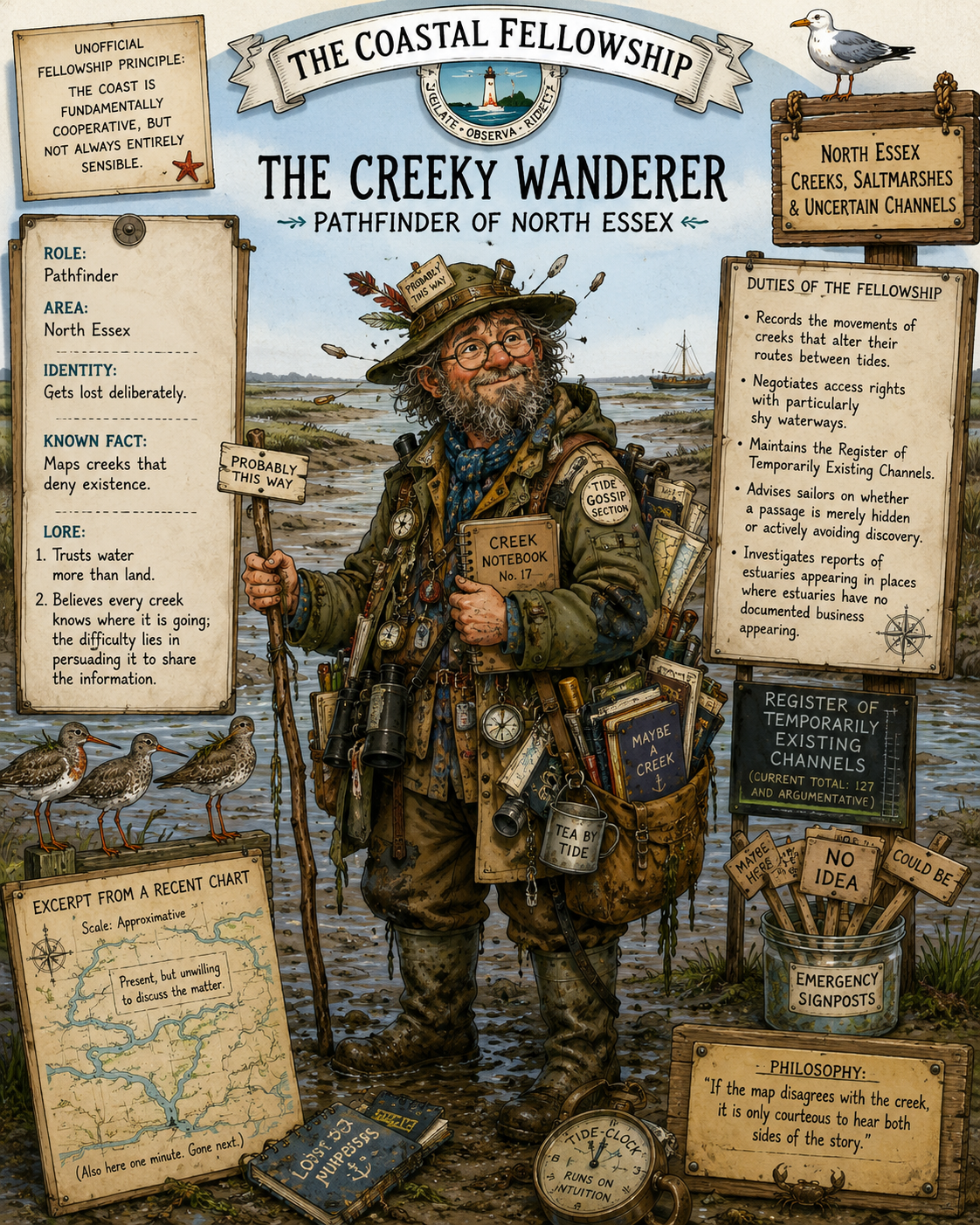
The coast of North Essex is defined by broad estuaries, extensive saltmarsh, mudflats and winding tidal creeks extending from the Colne to the Blackwater and the approaches towards the Crouch. Navigation has long depended upon close attention to tides, shifting channels and drying banks, and local maritime practice developed accordingly. Much of the coastline has retained a working character, with sailing clubs, boatyards, fishing interests and small harbours continuing alongside recreational use. Although customs vary between estuaries, the association of the district with oyster fisheries and traditional Blackwater sailing remains a consistent feature of local coastal life.
Oyster fishing has been one of the principal maritime industries of the area for centuries. The sheltered waters of the Blackwater Estuary, together with neighbouring creeks and inlets, have provided favourable conditions for managed oyster grounds, particularly for the native oyster where stocks and environmental conditions have permitted. Oyster cultivation has required careful husbandry rather than purely extractive fishing, and the seasonal rhythm of laying, tending and harvesting beds became closely linked with local communities. While methods have evolved with regulation and modern environmental management, commercial shellfish cultivation remains an identifiable part of the estuarine economy.
The estuaries also supported a varied inshore fishery. Shrimping, whitefish, cockles and other shellfish have all contributed to local livelihoods at different periods, although the scale has altered considerably over time. Small working craft were adapted to shallow water and soft ground, with many harbours accessible only on suitable stages of the tide. The practical knowledge required to work drying creeks and narrow channels has traditionally been passed between generations, reflecting conditions that remain familiar to local mariners today.
The Blackwater has long been associated with sailing craft suited to estuarine waters. Thames sailing barges were once a common sight, carrying agricultural produce, building materials and general cargo between Essex creeks, London and ports around the Thames Estuary. Their ability to work in comparatively shallow water made them well suited to local conditions, and many creek-side wharves depended upon barge traffic before the expansion of road transport. Although commercial trading has almost disappeared, preserved barges continue to sail in local waters, maintaining practical seamanship as well as public awareness of this distinctive vessel type.
Boatbuilding and repair formed another established coastal occupation. Small yards developed wherever sheltered water and suitable access existed, constructing fishing vessels, barges' tenders, yachts and workboats according to local requirements. Modern yards are generally concerned with maintenance and restoration rather than new commercial construction, but traditional timber skills remain in evidence in several locations, particularly where historic vessels continue in service or preservation.
Regattas and organised sailing have provided a continuous thread between commercial and recreational use of the estuaries. Yacht clubs around the Blackwater and neighbouring waters maintain racing programmes closely governed by tidal conditions, and many events continue to favour courses that reflect the practical constraints of the estuary rather than open-water competition. Barge matches, where held, preserve elements of competitive sailing that originated among working vessels, although individual events and their frequency have varied over time.
The oyster remains a recognised element of local food culture. Seasonal availability has traditionally influenced consumption, and shellfish continue to feature in local markets and hospitality where commercial production allows. Modern practice operates within environmental monitoring and harvesting controls that differ substantially from earlier periods, but the association between the estuary and oyster cultivation remains widely recognised.
Several islands and creek-side settlements have developed distinctive relationships with the surrounding tidal landscape. Access has often depended upon boats or causeways affected by the tide, encouraging practical familiarity with local waters. On many stretches of the coast, moorings occupy sheltered creeks that would formerly have accommodated working craft alongside fishing boats and barges. Although recreational vessels now form a larger proportion of traffic, the organisation of moorings, maintenance of channels and dependence upon tidal access continue established patterns of estuarine use.
Modern maritime activity reflects continuity rather than reconstruction. Commercial shellfish cultivation, yacht racing, barge preservation, lifeboat service where appropriate, harbour management and active boatyards all contribute to an identifiable working maritime environment. Local knowledge of channels, drying banks and weather remains important despite electronic navigation, particularly for those operating regularly within the intricate estuary system.
North Essex therefore presents a coastline where longstanding maritime occupations remain visible in present practice. Oyster fisheries, estuarine sailing, traditional working craft and tidal seamanship continue to shape the character of the Blackwater and neighbouring waters. While the balance between commerce and recreation has altered, the practical relationship between local communities and their estuaries shows a strong degree of continuity that remains evident to those navigating the coast.
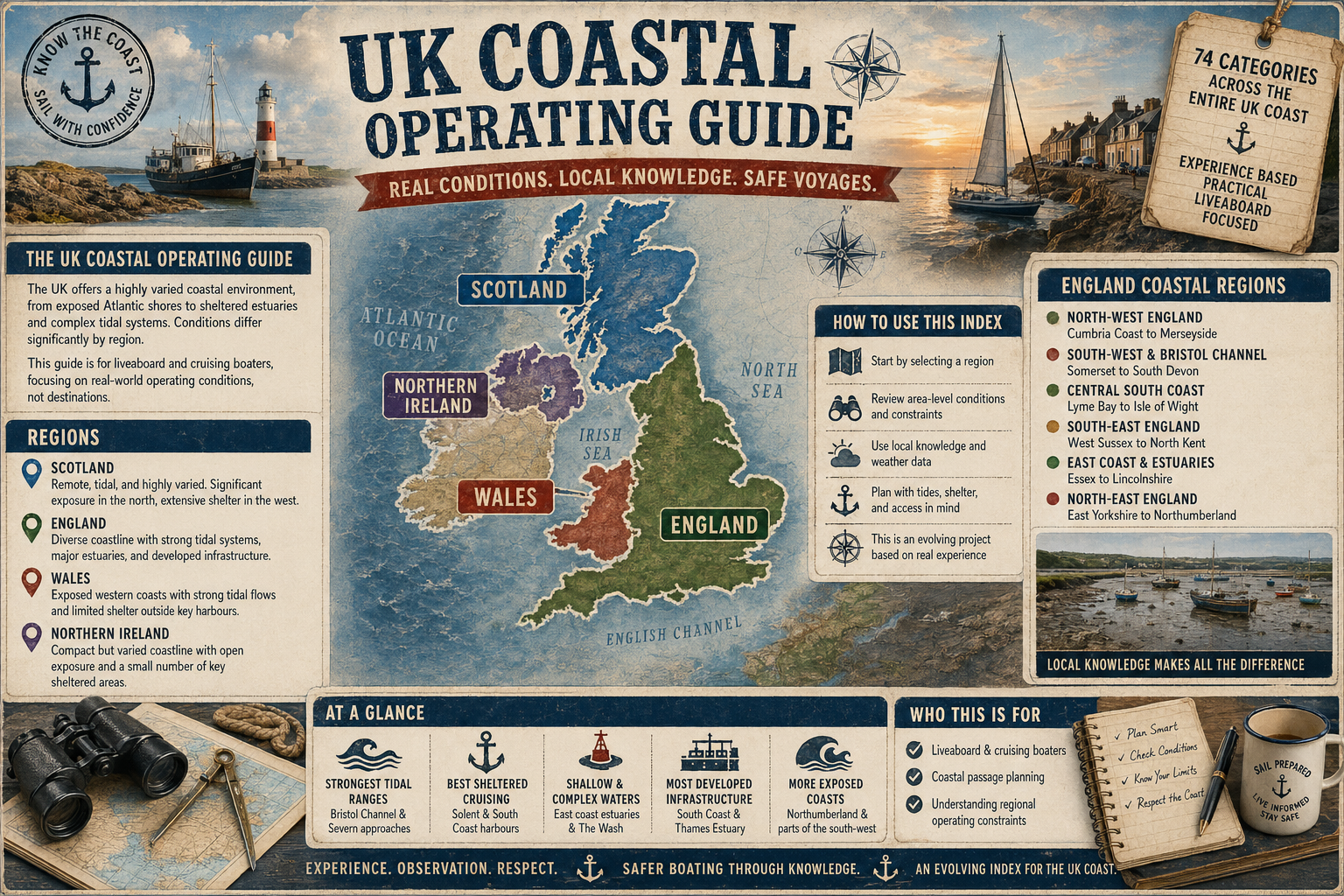
- The UK Coastal Operating Guide
- Coastal Traditions & Maritime Culture of Britain and Northern Ireland
- Coastal Myths & Legends of Britain & Northern Ireland
Comments