




Naval Dockyard Culture and Historic Sea Training Traditions
The maritime character of Plymouth and the South Devon coast is closely associated with naval service, dockyard employment and long-established seafaring practice. From Plymouth Sound eastwards through the Yealm, Erme, Avon and Dart estuaries, and westwards towards the Tamar, local coastal culture has for generations been shaped by working harbours, tidal waters and regular contact with naval and commercial shipping. Cultural continuity remains particularly strong around Plymouth, where the presence of the Royal Navy and associated marine industries continues to influence everyday coastal life.
Plymouth developed as one of Britain's principal naval ports, and much of the area's maritime identity derives from dockyard work, naval training and supporting trades. Generations of local families have been employed in ship maintenance, marine engineering, victualling, transport and waterfront services connected with the naval establishment. Seamanship instruction, cadet training and small-boat handling have long formed part of local maritime experience, both within naval institutions and among civilian sailing organisations. Although methods and technology have changed, practical knowledge of tides, harbour approaches and coastal navigation remains widely respected.
The waters surrounding Plymouth have historically supported varied maritime industries. Fishing communities operated from harbours including Plymouth, Brixham, Salcombe and smaller estuarine settlements. Offshore fisheries for species such as mackerel, pilchard and shellfish contributed to local economies, while inshore fishing continued within estuaries and sheltered coastal waters. Brixham, in particular, became associated with the sailing trawler fleet during the nineteenth century, influencing fishing practices well beyond Devon. Boatbuilding and repair were also significant activities along the Dart and other navigable rivers, where suitable anchorages, timber supplies and sheltered waters supported small commercial yards.
The estuaries themselves have shaped distinctive local maritime habits. The Dart, Yealm and Salcombe estuary each developed communities accustomed to strong tidal streams, shifting channels and regular movement between shore and water. Ferries have long provided practical links across several rivers, and many remain part of everyday transport patterns. Knowledge of local tidal conditions continues to be passed through sailing clubs, fishing communities and harbour users. While customs vary between ports, attention to harbour regulations, mooring practice and safe passage in confined waters remains an established feature of local maritime conduct.
Public maritime events are generally linked to working harbours, yacht racing and seafaring institutions rather than ceremonial traditions alone. Regattas have been held for many years in several South Devon ports, combining competitive sailing with local participation from fishing vessels, rowing craft and harbour organisations. Plymouth has also maintained strong connections with naval commemorations and remembrance events associated with service at sea. Such occasions reflect both local identity and the continuing presence of maritime professions within the community. Their form has evolved over time, but the association between civic life and the waterfront remains evident.
Lifeboat service forms another important strand of coastal tradition. Stations along the South Devon coast have long responded to the risks presented by offshore weather, heavy shipping movements and complex coastal approaches. Volunteer involvement in lifeboat operations and maritime rescue organisations continues to command broad local support. This practical emphasis on safety at sea is consistent with a coastline where recreational boating, fishing and commercial traffic operate alongside one another throughout the year.
Modern continuity is visible in the range of maritime activities still undertaken across the region. Naval vessels remain a familiar presence in Plymouth waters, while commercial fishing, marine engineering, yacht maintenance and harbour operations continue to provide employment. Sailing schools, sea cadet units and yacht clubs sustain traditions of instruction and practical seamanship. The Dart and Salcombe estuary support active boating communities, and local harbours continue to accommodate a mixture of fishing craft, ferries, workboats and recreational vessels.
Maritime food traditions also retain a practical connection with local fisheries. Fish markets, seafood landing points and working quays remain part of several ports, although their scale has changed over time. Consumption of locally landed fish and shellfish remains associated with communities whose economies continue to depend, at least in part, upon nearby waters.
Across Plymouth and South Devon, maritime culture remains firmly connected to the operation of ports, estuaries and coastal waters rather than solely to historical memory. Naval service, harbour employment, fishing activity and seamanship training continue to provide a visible link between earlier coastal traditions and the present-day character of the shoreline.
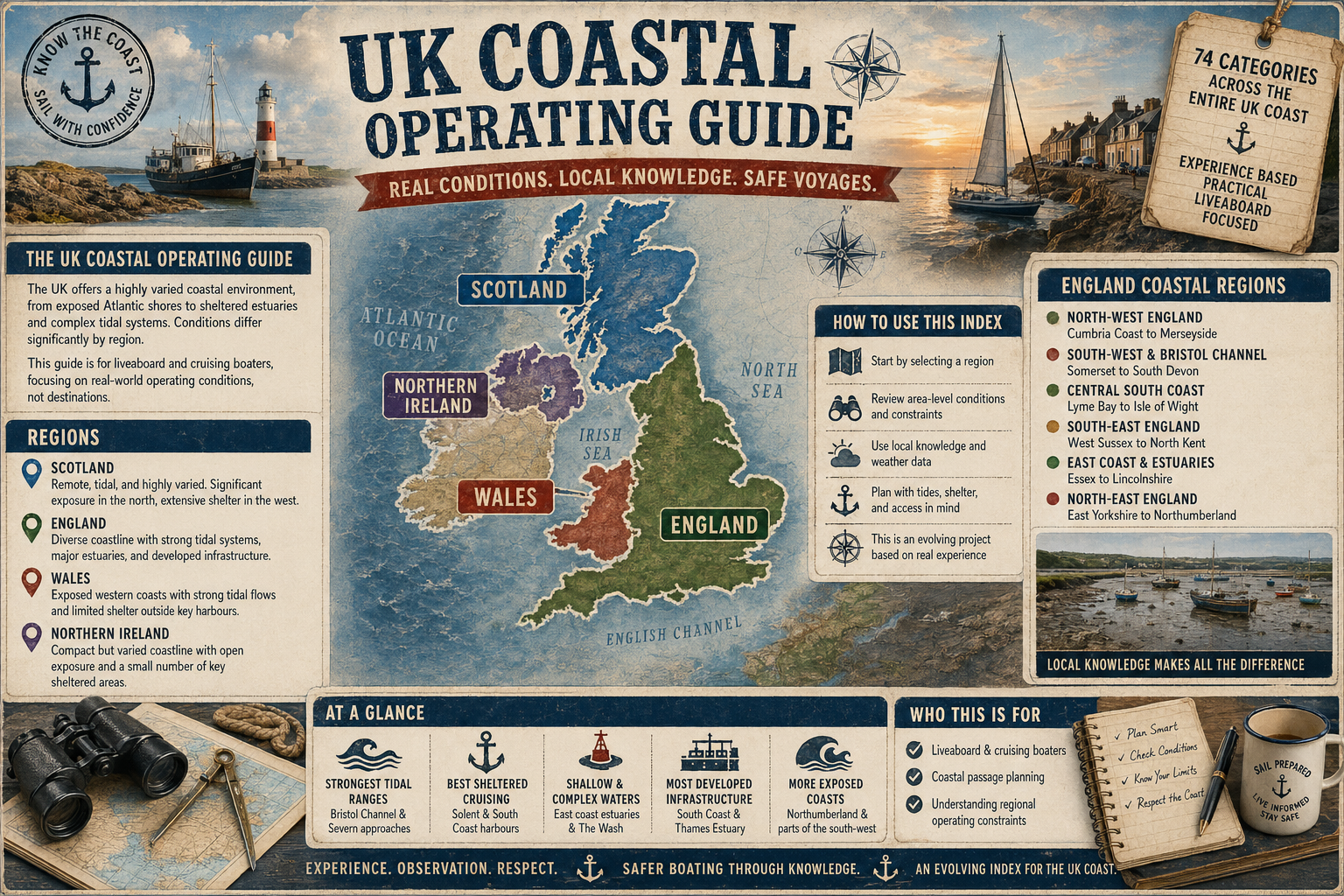
- The UK Coastal Operating Guide
- Coastal Traditions & Maritime Culture of Britain and Northern Ireland
- Coastal Myths & Legends of Britain & Northern Ireland
Comments