




Cockling, Inshore Fisheries and Tidal Navigation Traditions
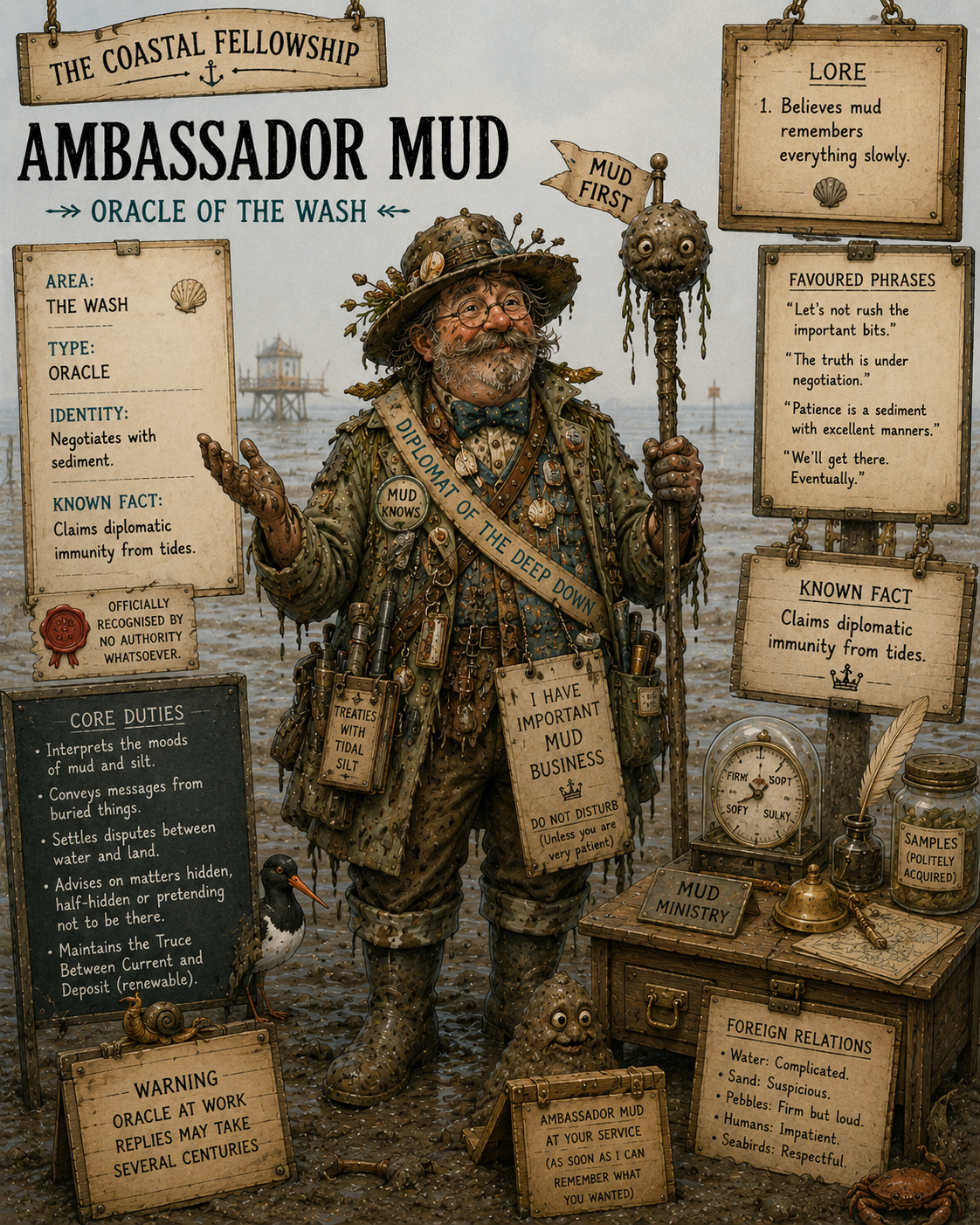
The Wash occupies a broad, shallow embayment where the coasts of Lincolnshire and Norfolk converge, receiving the waters of several major eastern rivers. Its maritime character has long been shaped by extensive tidal flats, shifting channels and the demands of navigating waters that alter markedly between successive tides. Local practice has therefore relied less upon permanent marks than upon practical knowledge of banks, creeks and drying ground. Although methods and regulation have changed, many aspects of working life around The Wash continue to reflect the influence of the tide and the seasonal use of its estuarine waters.
Cockling has been among the best-known occupations associated with The Wash for generations. The extensive intertidal sands have supported commercial gathering under systems that have varied according to locality and changing management arrangements. Harvesting has required close attention to tidal timing, weather and seabed conditions, with access often limited to comparatively short working periods between the flood and ebb. Other shellfish fisheries, including mussels in suitable areas, have also contributed to the local economy, while shrimping and small-scale net fisheries have formed part of the mixed inshore pattern where conditions allowed. Fishing activity has never been uniform across the estuary, and individual ports and landing places have developed according to local opportunities rather than any single tradition.
Tidal navigation has been equally significant. Mariners entering or leaving ports such as King's Lynn have depended upon an understanding of continually changing channels, strong tidal streams and the extensive drying banks that characterise the approaches. Before modern surveying and buoyage became more consistent, local pilots possessed detailed knowledge of routes that could alter after storms or prolonged periods of sediment movement. Even today, navigation within The Wash demands respect for tidal height and timing, and local advice remains valuable where channels evolve. Smaller craft working creeks and river mouths traditionally selected vessels suited to shallow water, capable of taking the ground safely while awaiting the next tide.
Trade through the estuary linked agricultural districts with coastal and overseas markets. Grain, timber, coal and other cargoes passed through ports around the Wash, while coasting vessels maintained regular exchanges with neighbouring regions of eastern England and beyond. The commercial importance of these routes has altered considerably with changes in transport and harbour infrastructure, yet the layout of quays, river approaches and former waterfront facilities still reflects their practical maritime purpose. Some historic warehouses and harbour structures remain visible reminders of this period, although many have found later uses.
Working customs have generally been shaped by the tide rather than by elaborate ceremony. Fishing communities have long organised activity around favourable weather, daylight and safe access to the sands, while local knowledge has commonly been passed between generations through practical experience afloat or on the foreshore. Formal maritime celebrations have been less prominent than in some fishing ports elsewhere, although yacht clubs and sailing organisations around the estuary continue to hold races and regattas where conditions permit. These events are principally sporting rather than ceremonial but maintain an active relationship with local waters and the skills required to navigate them.
The estuary has also maintained close associations with lifeboat and coastal rescue services. The combination of rapidly advancing tides, soft mud and extensive drying flats has presented recurring hazards to fishermen, wildfowlers, commercial workers and recreational visitors alike. Rescue techniques developed for The Wash have reflected these unusual conditions, often requiring specialised equipment capable of operating over mud as well as water. Such experience has become an established part of the area's practical maritime identity, although methods continue to evolve alongside modern search and rescue practice.
Present-day continuity is moderate rather than complete. Commercial fishing remains subject to environmental management, licensing and changing economic conditions, and the scale of traditional inshore employment has generally declined from earlier periods. Nevertheless, cockling continues in managed form where conditions and regulation permit, while local ports retain commercial, fishing and service functions. Recreational sailing, bird survey work, harbour operations and conservation management now share the estuary with long-established fisheries, producing a varied pattern of maritime activity that reflects contemporary use of coastal waters.
The maritime culture of The Wash remains closely tied to its distinctive tidal environment. Knowledge of channels, drying banks and estuarine conditions continues to influence both professional and recreational navigation, while shellfish gathering and other inshore fisheries preserve practical links with earlier working traditions. Although the balance of activity has changed over time, the coast retains a recognisable culture founded upon careful judgement of tide, weather and shallow-water seamanship.
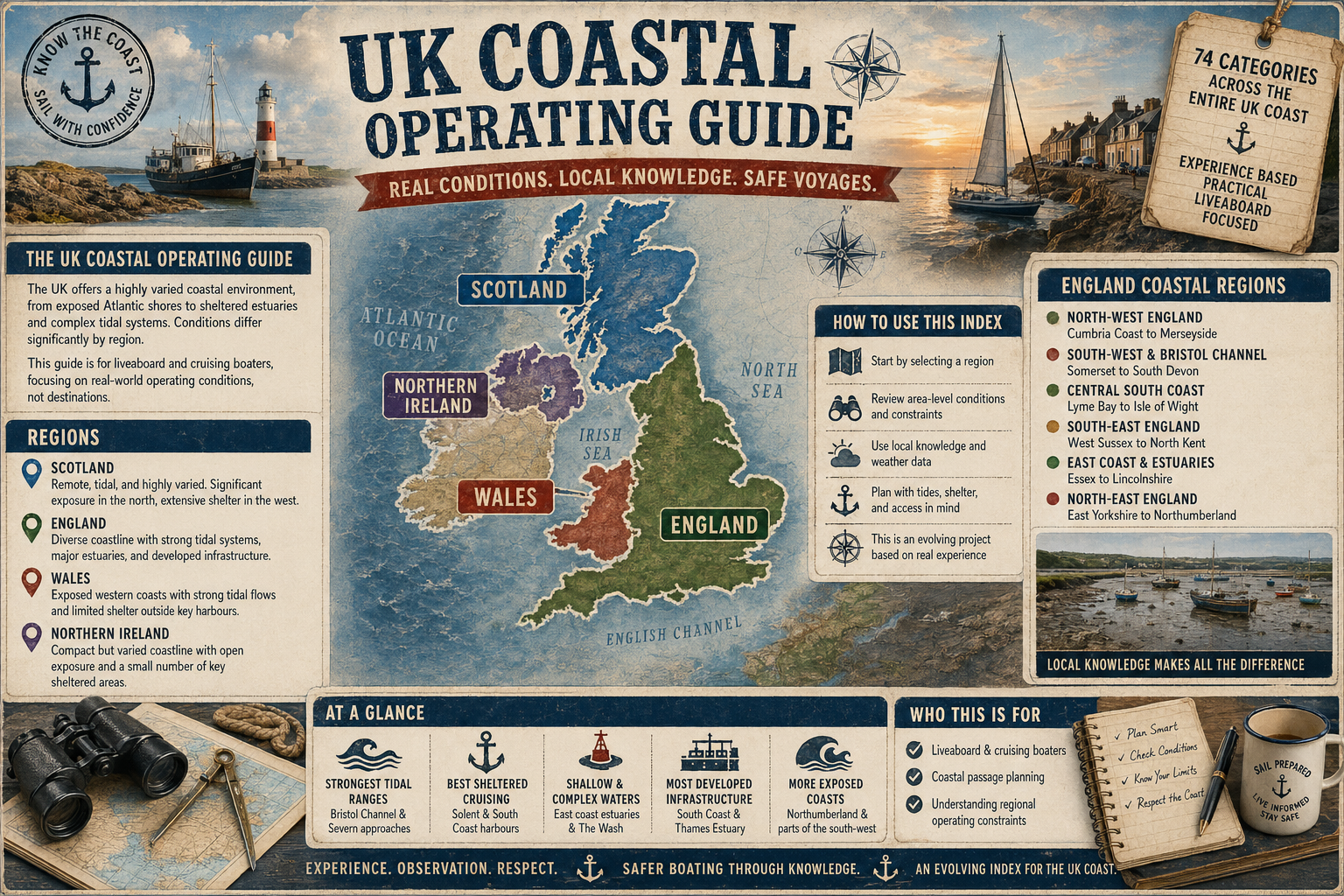
- The UK Coastal Operating Guide
- Coastal Traditions & Maritime Culture of Britain and Northern Ireland
- Coastal Myths & Legends of Britain & Northern Ireland

Comments