




Stone Shipping, Naval Activity and Portland Sailing Culture
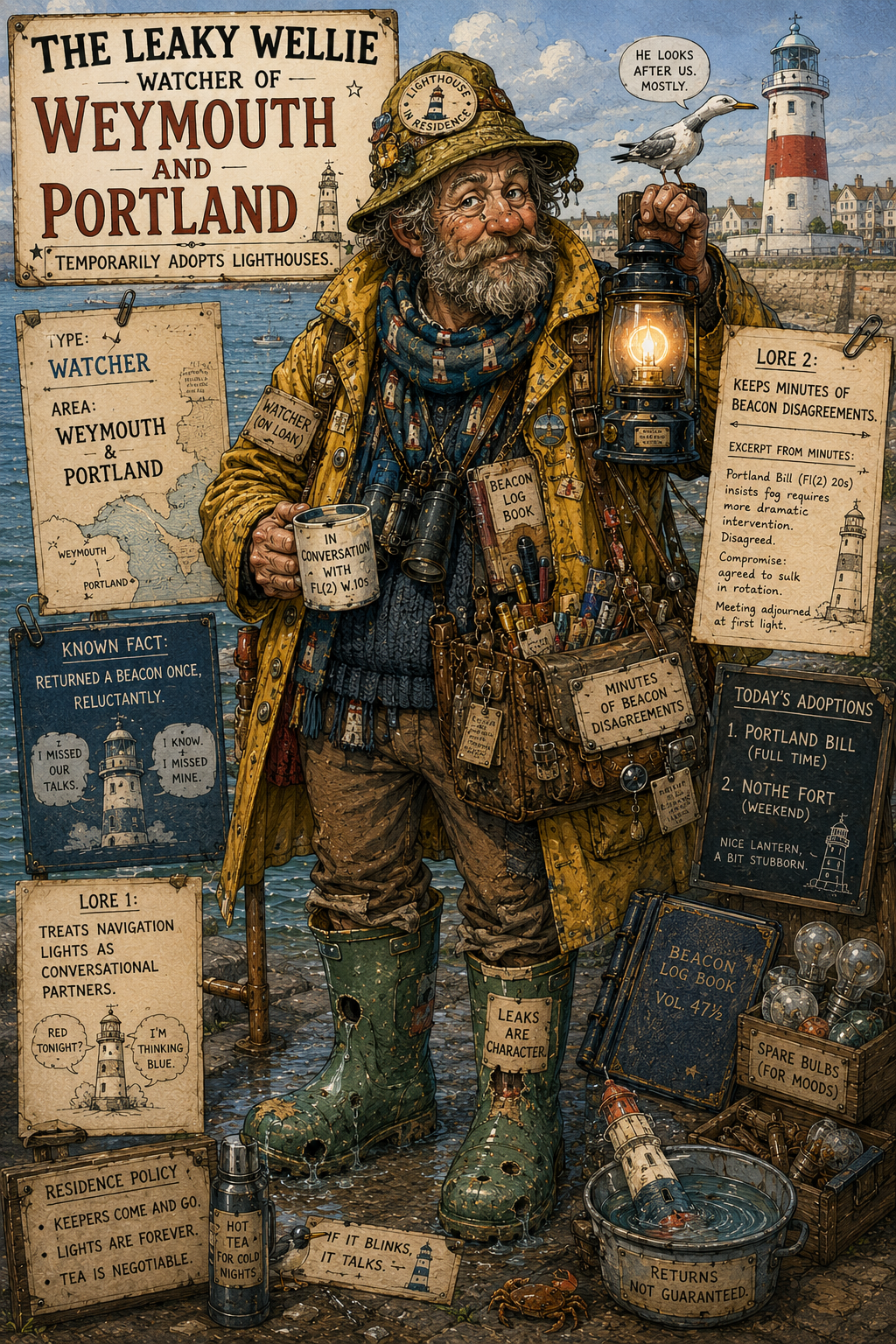
The maritime character of Weymouth and Portland is closely associated with the working waters of Weymouth Bay, Portland Harbour and the eastern approaches to the English Channel. Local coastal culture developed around commercial shipping, fishing, naval activity and the long-standing use of Portland stone. Unlike some parts of the Dorset coast where maritime traditions were primarily linked to small fishing settlements, Weymouth and Portland combined harbour trade, naval employment and seafaring skills on a larger scale. The continuity of these associations remains evident in present-day sailing, harbour operations and marine industries.
For many centuries the extraction and transport of Portland stone formed a distinctive part of local maritime life. Stone from the Isle of Portland was shipped to ports around Britain and beyond, requiring specialised loading facilities and a workforce accustomed to coastal transport. Small craft and larger merchant vessels carried dressed stone from quays around the island, while local mariners developed practical knowledge of the strong tidal streams and exposed waters around Portland Bill. The race and overfalls created by tide meeting seabed contours remain a notable feature of local seamanship and pilotage.
Fishing also contributed to the area's coastal economy, although its importance varied over time. Weymouth supported fleets engaged in inshore fisheries, including shellfish and demersal species from grounds in Lyme Bay and adjacent Channel waters. Fishing families maintained working connections between harbour communities and the offshore grounds, while fish markets and quayside handling formed part of everyday harbour activity. The scale of the industry has fluctuated, but commercial fishing continues to provide a visible link with earlier maritime practice.
Naval activity has exerted an unusually strong influence on local culture. The creation and development of Portland Harbour established one of the principal naval anchorages on the south coast. Successive generations found employment through naval facilities, dockyard work, harbour services and associated marine trades. During periods of conflict the harbour served strategic functions, and the presence of naval vessels became a familiar aspect of local coastal life. Although the military role has altered considerably, awareness of naval connections remains embedded in the identity of both Weymouth and Portland.
Among local customs, organised sailing has become one of the most enduring maritime traditions. Portland Harbour and Weymouth Bay provide sheltered and open-water conditions suitable for a wide range of craft, and competitive sailing has long occupied a prominent place within the area's seafaring culture. Yacht clubs, racing fleets and training organisations maintain traditions of practical seamanship, race management and volunteer support. Regattas and sailing events are generally maritime rather than ceremonial in character, reflecting the area's emphasis on boat handling and navigation rather than purely social observance.
Lifeboat service and rescue work also form part of the coastal tradition. The combination of commercial traffic, fishing vessels, recreational craft and challenging conditions around Portland Bill has produced a continuing need for organised maritime assistance. Local involvement with lifeboat operations and coastguard services has created a culture in which knowledge of tides, weather and safe passage remains widely respected. Such traditions are practical rather than formal, arising from the demands of heavily used coastal waters.
Modern continuity is evident across the working waterfront. Commercial port activity persists at Portland, while marinas, boatyards and marine engineering businesses support both local and visiting craft. Fishing vessels continue to operate from the harbour, and sailing remains a significant part of everyday maritime life. The former prominence of stone export survives through the visible presence of quarries and harbour infrastructure associated with the trade, even where methods and volumes have changed.
Local maritime food traditions retain links with the fishing grounds of the Channel, particularly through the use of landed seafood, though practices vary between communities and have evolved alongside wider changes in the industry. Harbour-side occupations, marine trades and recreational boating now exist alongside one another, creating a mixed coastal economy that nevertheless retains clear connections with earlier seafaring activity.
Today the coastal character of Weymouth and Portland remains strongly shaped by the interaction of harbour operations, sailing practice, naval associations and the legacy of stone shipping. While the balance between these activities has altered over time, the relationship between local communities and the surrounding waters continues to reflect long-established maritime patterns within this part of the Dorset coast.
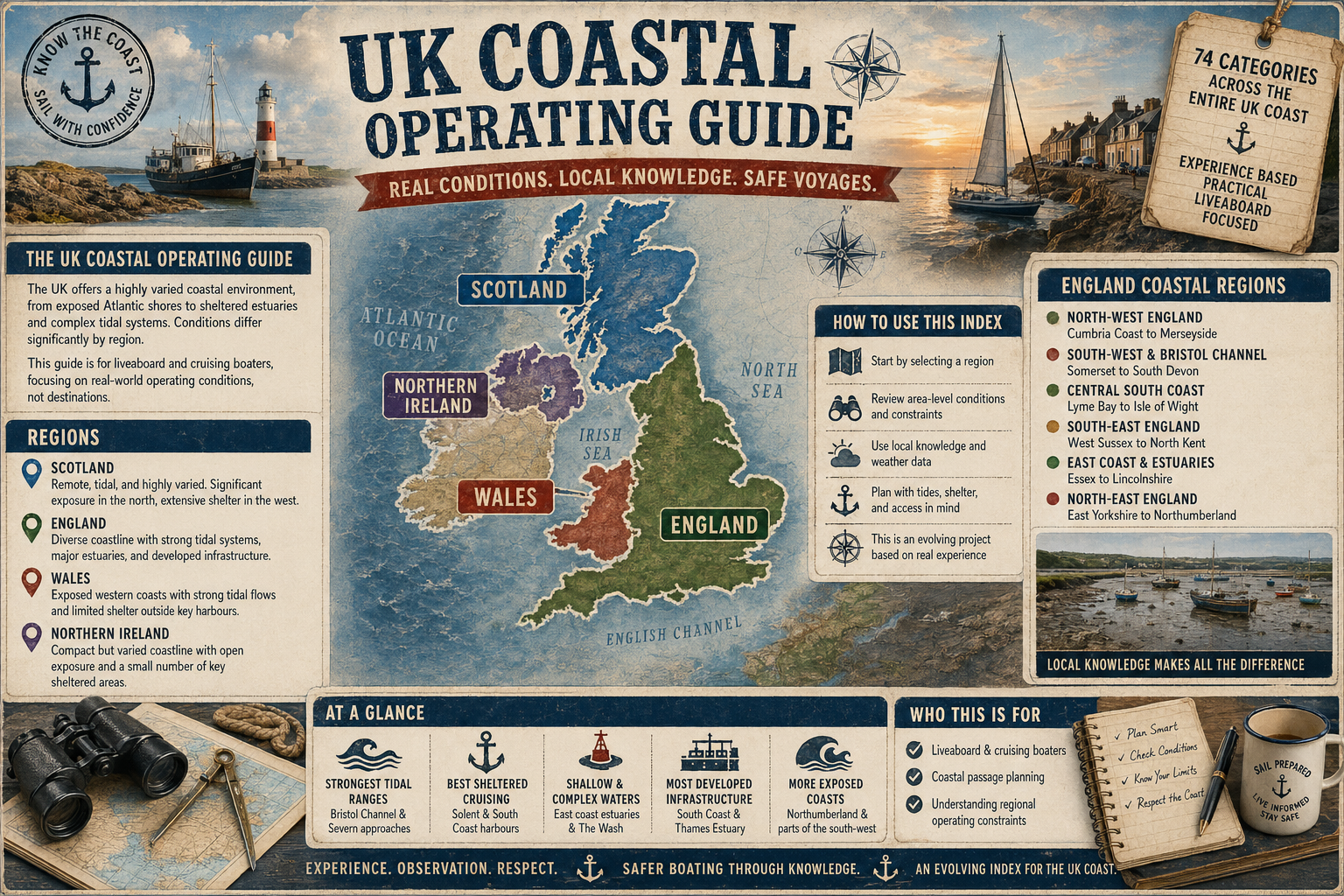
- The UK Coastal Operating Guide
- Coastal Traditions & Maritime Culture of Britain and Northern Ireland
- Coastal Myths & Legends of Britain & Northern Ireland

Comments