




Oyster Culture & Cross-border Fishing Traditions
The Northern Ireland shore of Carlingford Lough has long been shaped by sheltered tidal waters, productive shellfish grounds and the practical demands of navigation along a shared estuary. Forming the boundary between Counties Down and Louth, the lough has supported communities whose working lives have often crossed political frontiers while remaining closely tied to the rhythms of tide, weather and fisheries management. Maritime culture here is defined less by large commercial ports than by small harbours, inshore fishing, aquaculture and the continuing exchange between neighbouring settlements on either side of the lough. Although practices have naturally evolved, there remains a strong continuity between historic patterns of coastal employment and present-day activity.
The waters of the lough have been valued for shellfish over many centuries, with oyster beds occupying a particularly important place in the local maritime economy. Native oysters were historically harvested from natural grounds, while changing environmental conditions and fluctuating stocks eventually encouraged greater reliance on managed cultivation and aquaculture. Oyster farming remains one of the defining maritime industries of Carlingford Lough, with floating trestles, cultivation equipment and designated shellfish areas now forming familiar features of the working waters. The industry depends upon careful regulation of water quality, tidal exchange and harvesting seasons, reflecting both traditional knowledge of the lough and modern management requirements.
Alongside oysters, inshore fishermen have traditionally worked for a range of species according to season and local conditions. Pots for lobster and crab, together with net fisheries where regulations permit, have long formed part of the mixed economy of the lough. Fishing effort has often been adapted to changing markets and conservation measures rather than relying upon a single catch throughout the year. Small working craft suited to relatively sheltered but strongly tidal waters remain characteristic of local harbours, where practical seamanship continues to be shaped by changing depths, narrow channels and the influence of weather entering from the Irish Sea.
Cross-border fishing has been a notable feature of life around Carlingford Lough. The maritime boundary has not altered the physical character of the water itself, and fishermen from both shores have traditionally shared an understanding of local grounds, navigational marks and seasonal conditions. While licensing, regulation and administrative arrangements have changed over time, cooperation between neighbouring communities has remained an established feature of working life. Many practical relationships developed through fishing, harbour use and shellfish production continue to reflect the shared nature of the estuary, although specific customs and operating practices may vary between ports and individual fisheries.
Greencastle provides one of the principal small harbours on the Northern Ireland side and has long served local fishing vessels together with recreational craft using the lough. Harbour routines have generally reflected the requirements of tides and weather rather than fixed schedules, particularly for smaller boats working shellfish grounds or tending gear. The entrance to the lough, influenced by tidal streams and exposed conditions beyond the shelter of the headlands, has encouraged careful passage planning for generations of local mariners. Such practical knowledge has traditionally been passed through fishing families and working crews rather than through formal instruction alone.
Although large-scale commercial shipbuilding was never a defining industry of this shoreline, the maintenance and repair of small fishing boats has remained an important local skill. Wooden craft were once repaired within the coastal communities they served, while modern vessels increasingly combine traditional hull forms with contemporary materials and equipment. Routine maintenance, gear preparation and shellfish handling continue to occupy working waterfronts, preserving everyday maritime practices even as technology has changed.
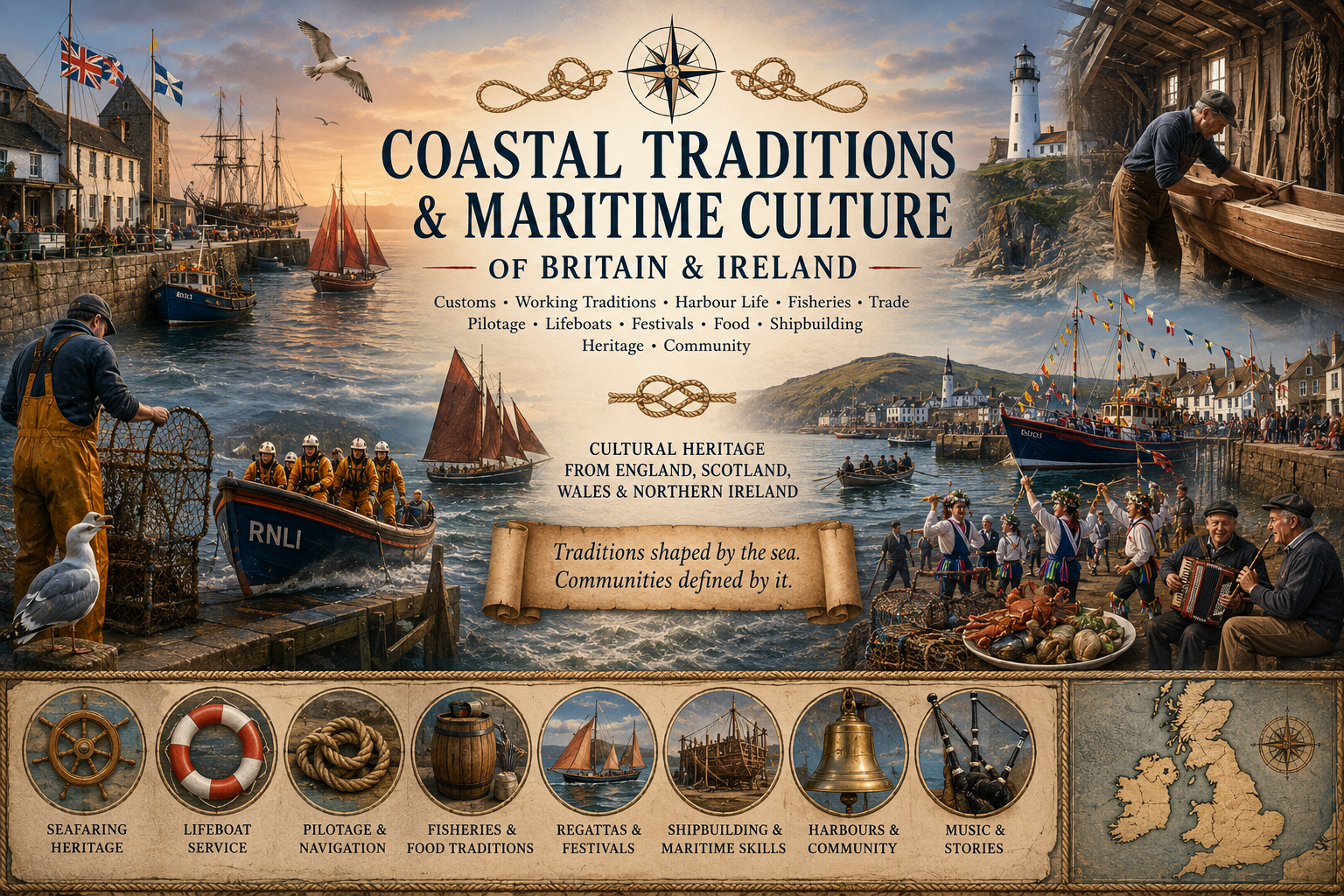
Community events connected with the sea remain present in several forms. Local regattas and sailing events have continued around the lough, supporting long-established patterns of recreational boating alongside commercial activity. Fishing communities also maintain links through harbour organisations, yacht clubs and local seafood celebrations in which oysters occupy a prominent place. Such events generally reflect the continuing importance of the working estuary rather than commemorating a purely historic industry, and their emphasis varies between communities on the Northern Ireland and Republic of Ireland shores.
The lough also retains an association with maritime safety and voluntary service. Lifeboat operations in nearby coastal waters, together with the practical cooperation expected between fishermen and other mariners, remain part of local seafaring culture. As elsewhere around the Irish Sea, changing regulations and improved navigation have altered working practices, but the expectation of mutual assistance afloat continues to hold practical importance.
Today the Northern Ireland shore of Carlingford Lough remains an active maritime landscape where oyster cultivation, inshore fishing and small harbour activity continue alongside leisure navigation. The persistence of shellfish production, the shared traditions of cross-border fishing and the practical knowledge required for working these tidal waters provide a clear link between earlier coastal occupations and the present character of the lough. Rather than surviving solely as historical reference, these traditions continue to influence everyday life on one of the Irish Sea's most distinctive working estuaries.
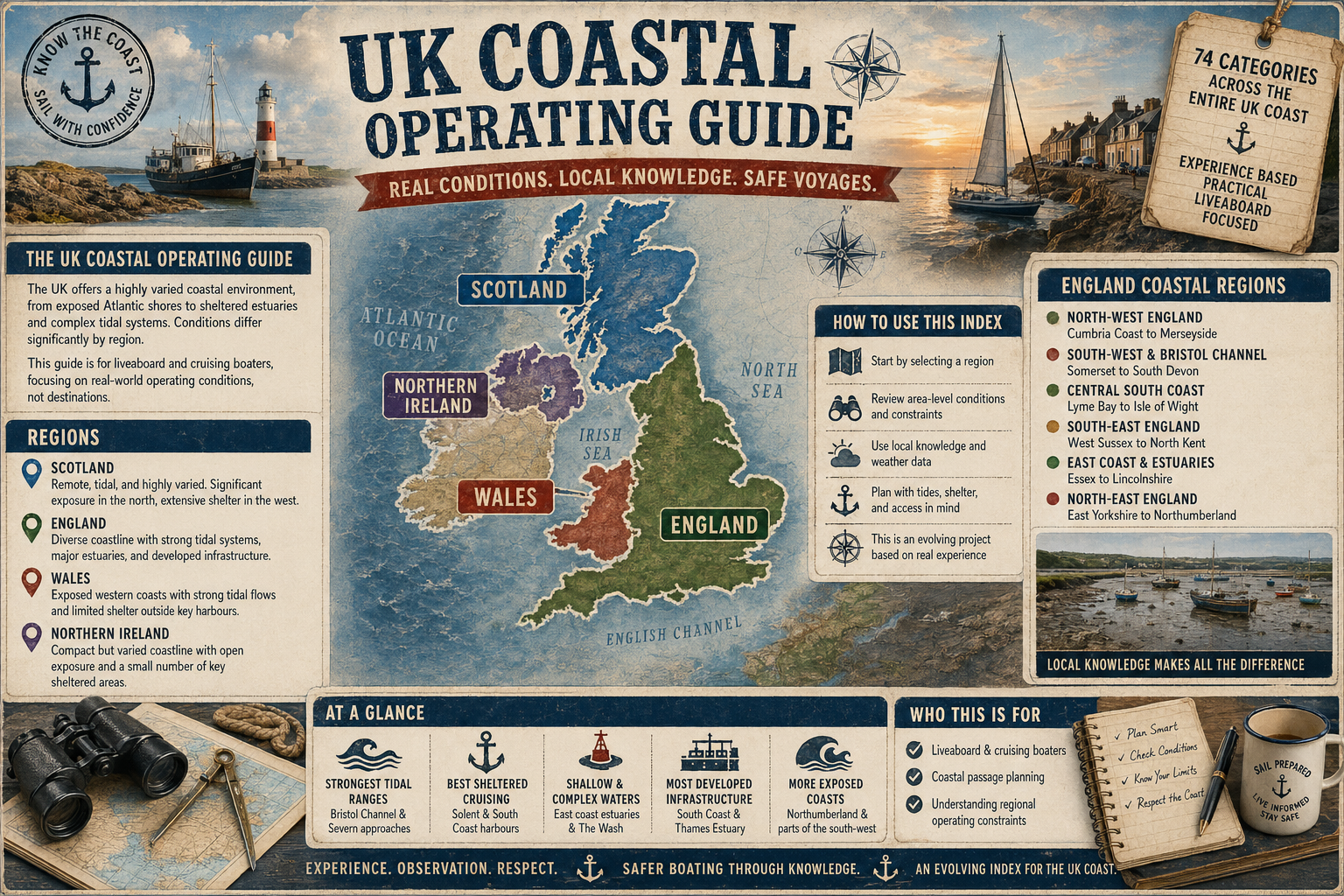
- The UK Coastal Operating Guide
- Coastal Traditions & Maritime Culture of Britain and Northern Ireland
- Coastal Myths & Legends of Britain & Northern Ireland

Comments