





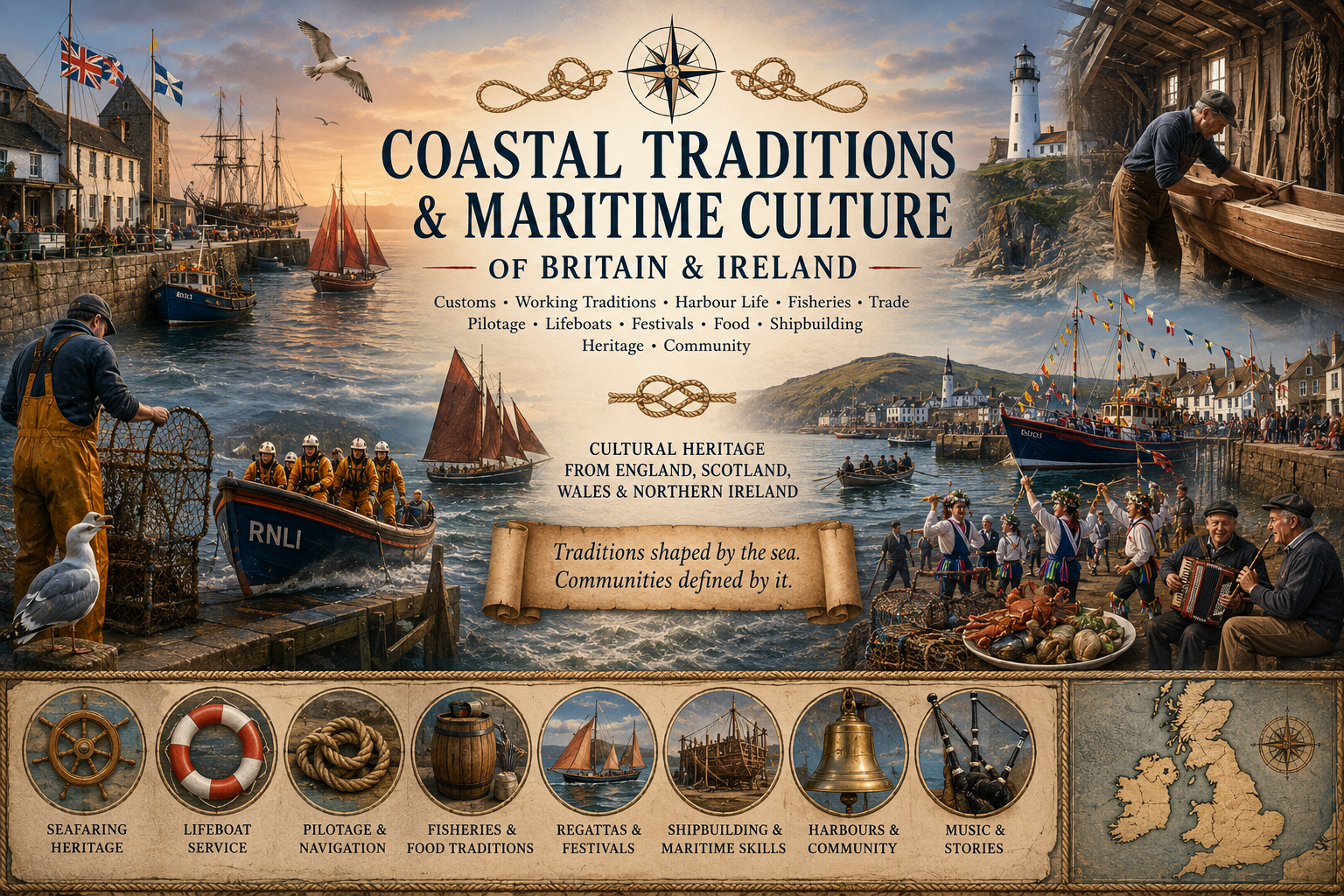
Salmon fisheries and Atlantic harbour communities
The North Coast of Northern Ireland has long been shaped by Atlantic conditions, exposed headlands and a succession of small harbours serving local communities rather than major commercial ports. Maritime activity has traditionally centred upon fishing, coastal transport and the practical requirements of maintaining sheltered landing places in waters where swell and tidal streams often govern movement. While individual districts retain distinct local character, the coastline as a whole shares a working relationship with the sea that continues to influence harbour life. Cultural continuity remains moderate, with a number of older practices surviving alongside modern commercial and recreational use.
Among the most characteristic historic industries has been the salmon fishery. The rivers Bann, Bush and Roe, together with smaller coastal catchments, supported important salmon runs which were exploited through licensed fisheries, fixed engines and later regulated netting. The mouths of these rivers formed natural focal points for fishing communities, where tides, river flow and seasonal migration determined much of the working year. Changes in fisheries legislation, conservation measures and declining commercial opportunities have substantially reduced these activities, although their influence remains evident in local knowledge, former fish stations and the continuing significance of salmon to regional identity.
Harbours including Ballycastle, Portballintrae and Ballintoy have historically provided refuge for fishing vessels operating close to the coast as well as serving local trade. Before improvements to road transport, movement by sea between neighbouring settlements and to the Scottish coast was of greater practical importance than it is today. Small cargoes of agricultural produce, coal, lime and general merchandise were handled where harbour facilities allowed, though the extent of such trade varied between ports and periods. On exposed stretches, simple piers and slipways often reflected the limitations imposed by Atlantic weather rather than ambitions for extensive commercial development.
Rathlin Island occupies a distinctive place within the maritime culture of the region. Communication with the mainland has always depended upon reliable seamanship and careful judgement of prevailing conditions. Strong tidal races surrounding the island, together with rapidly changing weather, have shaped local navigation and the operation of regular ferry services. Fishing has remained an important occupation for island residents, although the scale has altered considerably over recent decades. Knowledge of local tides, overfalls and seasonal movements of fish continues to be valued by both commercial fishermen and experienced local mariners.
Harbour customs have generally reflected practical working requirements rather than elaborate ceremony. Fishing vessels returning with catches traditionally brought activity to quaysides where merchants, carriers and local buyers gathered according to the season. The maintenance of nets, creels and small craft frequently occupied harbour spaces outside fishing periods, while slipways served as communal working areas for repairs. Such routines differed between ports and have inevitably changed with modern equipment, but they remain recognisable features where inshore fishing continues.
Organised maritime celebrations are relatively modest compared with some other parts of the British Isles, although regattas and harbour events have long formed part of community calendars in several coastal settlements. These gatherings commonly combine sailing, rowing or small boat races with local social events rather than preserving highly formal maritime ceremonies. Lifeboat stations have also contributed to community identity, recognising the practical demands of rescue work along an exposed coastline where weather and sea state can change rapidly. Public support for lifeboat services remains a visible element of coastal life, even where traditional fishing employment has declined.
Boatbuilding has generally been undertaken on a small local scale, concentrating upon the maintenance and construction of fishing boats suited to nearby waters rather than establishing large commercial yards. Adaptation to local conditions has often been more significant than adherence to a single regional type of vessel. Wooden craft formerly predominated, but modern materials have become commonplace while preserving many practical features developed through experience of Atlantic seas.
Seafood remains closely associated with the coast, reflecting both commercial fisheries and local consumption. Besides salmon, shellfish and inshore species have supported fishing businesses where stocks and regulations permit. Harbour infrastructure now accommodates a wider mixture of commercial fishing vessels, leisure craft and visiting boats, illustrating the gradual diversification of coastal economies while retaining an operational fishing presence in several ports.
Although many traditional occupations employ fewer people than in previous generations, the maritime character of the North Coast continues to rest upon working harbours, active fishing interests and communities accustomed to Atlantic conditions. Modern navigation, regulated fisheries and year-round ferry services have altered the scale of activity rather than replacing its essential relationship with the sea. For the visiting mariner, these traditions remain most evident in the continuing practical use of harbours, the seasonal rhythm of local fisheries and the enduring importance of local knowledge in waters where tides and weather continue to demand respect.
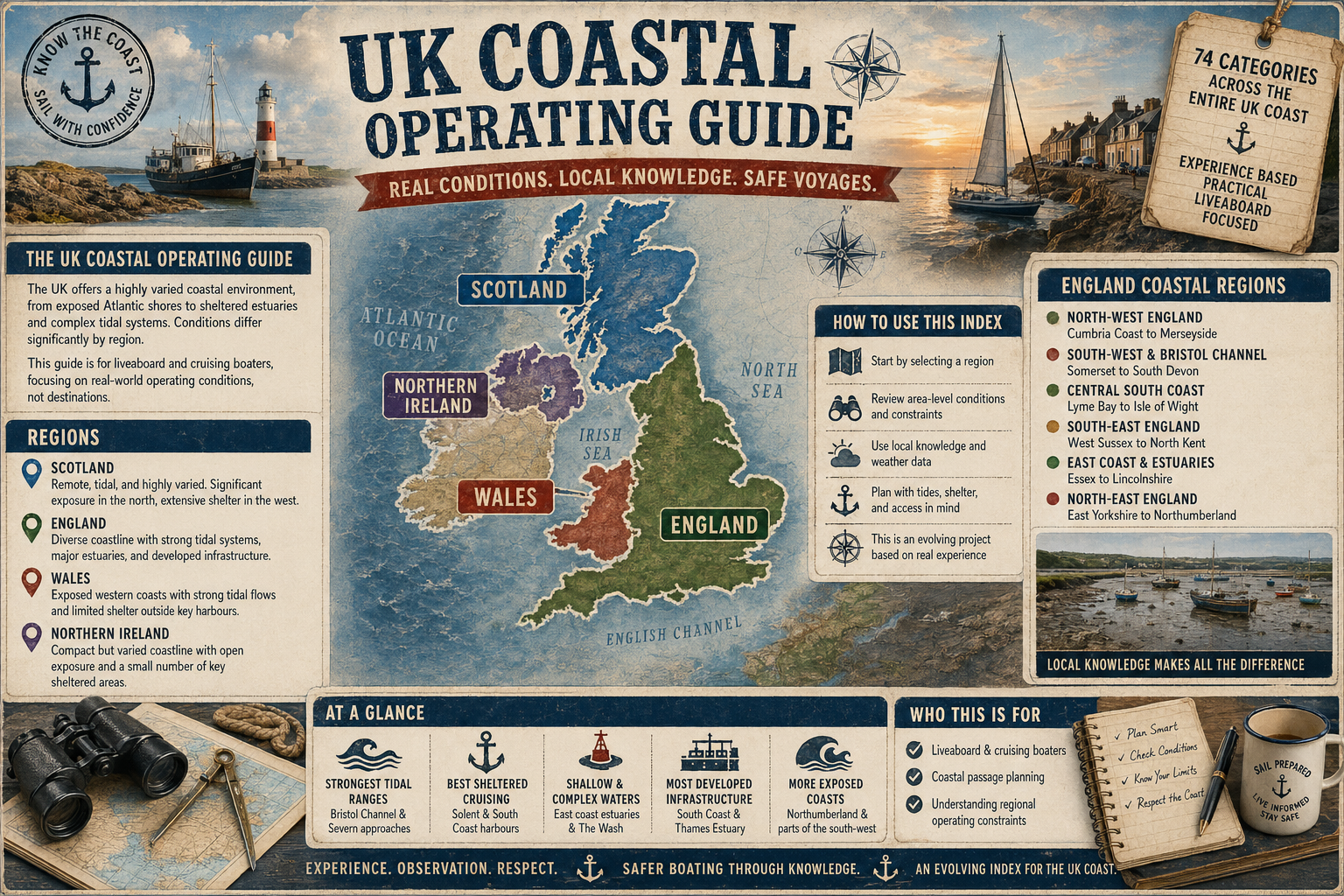
- The UK Coastal Operating Guide
- Coastal Traditions & Maritime Culture of Britain and Northern Ireland
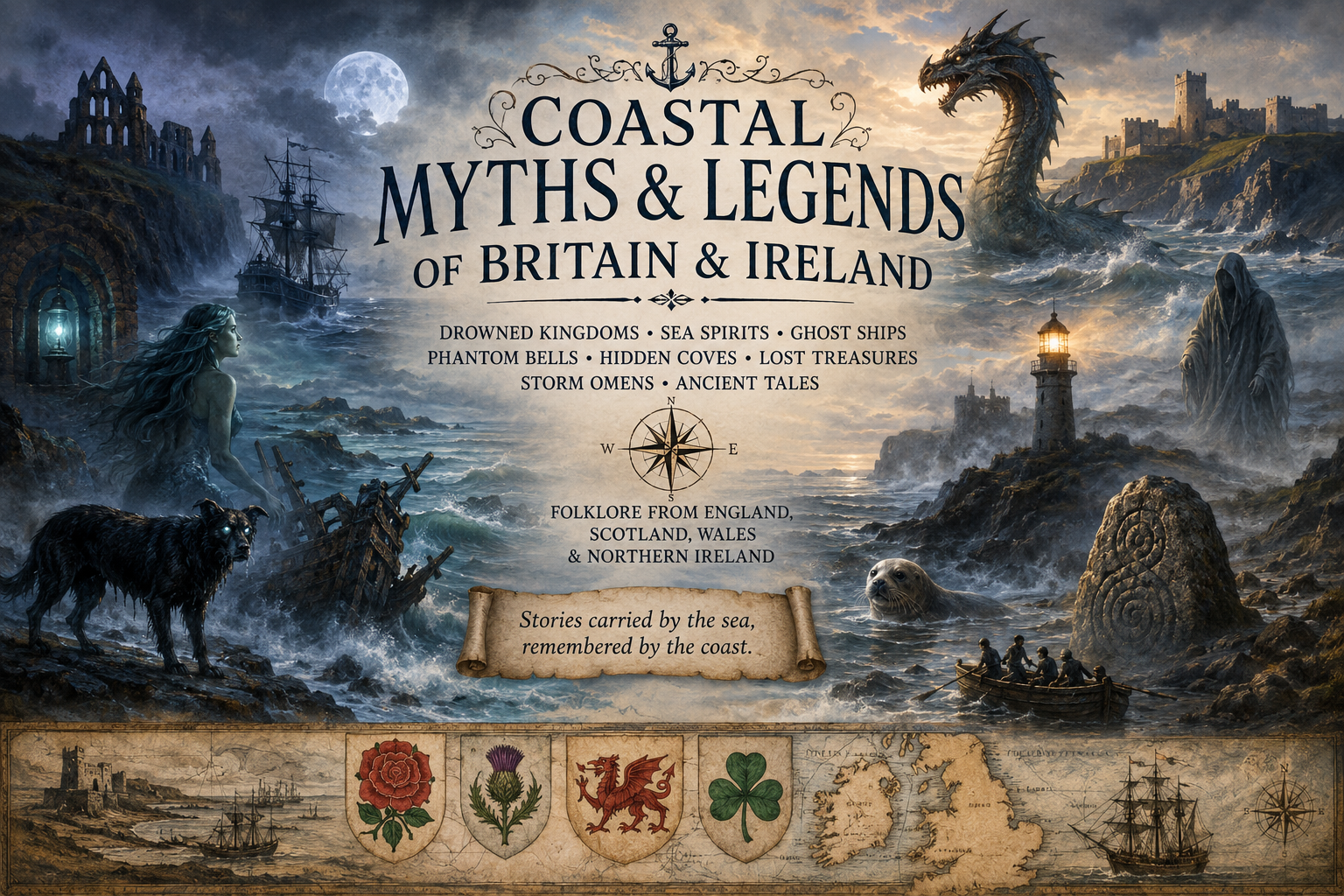
- Coastal Myths & Legends of Britain & Northern Ireland
Comments