




West Highland Ferry Culture & Clan Maritime History
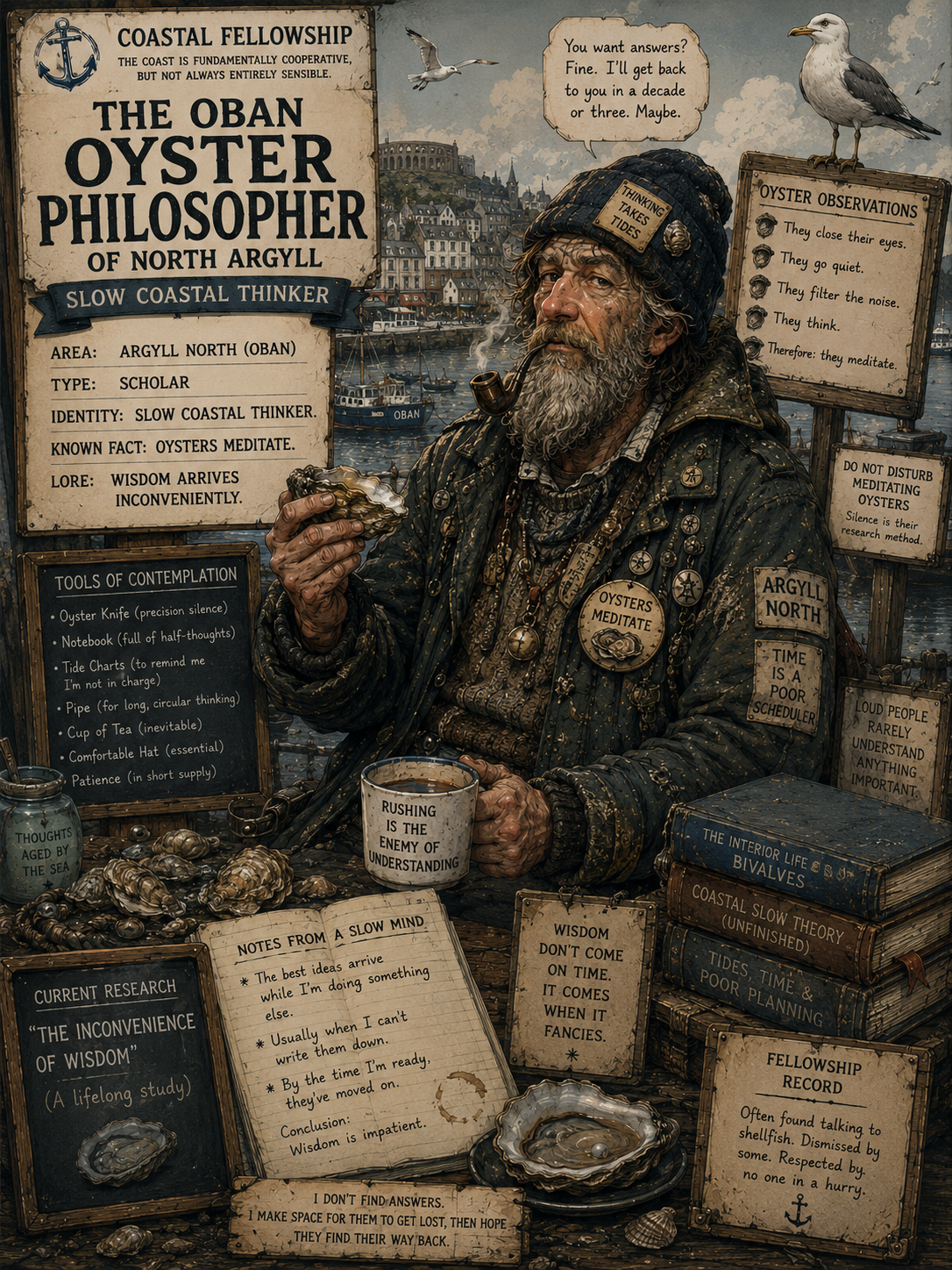
Oban is a working maritime centre on the Firth of Lorn, with Kerrera forming part of the shelter of Oban Bay and the main sea routes leading towards Mull and the Inner Hebrides. Ferry traffic, fishing and harbour operations remain central to the character of the waterfront. The Railway Pier and Ferry Terminal handle regular island services, while the North Pier accommodates a mixture of commercial, aquaculture and other working vessels. The Sound of Kerrera is also crossed by a regular ferry service, making the waters immediately around Oban an active part of the local transport network.
The area's maritime history extends well before the development of Oban as a modern port. The MacDougalls of Dunollie controlled important coastal territory and maritime approaches in medieval and later periods, with Dunollie Castle occupying a strategic position above Oban Bay. Kerrera was particularly significant as a link between island and mainland communications. The surviving Kerrera Ferry House, built in 1748, provided accommodation for the ferryman and an inn for passengers. Historical evidence records the movement of people, goods and livestock across the Sound, while several ferry points on Kerrera were formerly controlled by the MacDougall estate. The development of Oban as a port and the arrival of steam navigation reduced the importance of these shorter crossings, although the Kerrera service itself continues.
Steam navigation subsequently established Oban as an important West Highland port. The firm founded by David MacBrayne developed routes from the west coast to the islands, including services from Oban to the southern Hebrides. These routes carried passengers, mails and provisions as well as general cargo, and their schedules became closely tied to the practical life of island communities. The present CalMac network retains this basic function, with Oban serving as a mainland interchange for scheduled services to several Inner and Outer Hebridean islands. The ferry is therefore not simply a passenger service but a continuing means of supplying and connecting communities separated by sea.
Commercial fishing forms another established strand of the local maritime economy. The fisheries of the wider Oban district formerly included herring and whitefish, whereas present activity is strongly associated with shellfish. Loch Etive and neighbouring coastal waters support fisheries for Nephrops and crab, with creel fishing particularly important in parts of the loch and nearby bays. Oban remains the principal harbour for fishing activity associated with Loch Etive. Fishing vessels share the harbour and approaches with ferries, aquaculture craft and other commercial traffic, maintaining a distinctly working waterfront.
Ferry practice also retains elements of older island working traditions. The regular movement of livestock between Kerrera and the mainland is one example. Sheep are transported by ferry as part of the island farming calendar, continuing a practice in which the ferry serves an agricultural as well as passenger function. Such movements illustrate the practical continuity between the older ferry system, when livestock and goods were routinely carried across local crossings, and the present scheduled service.
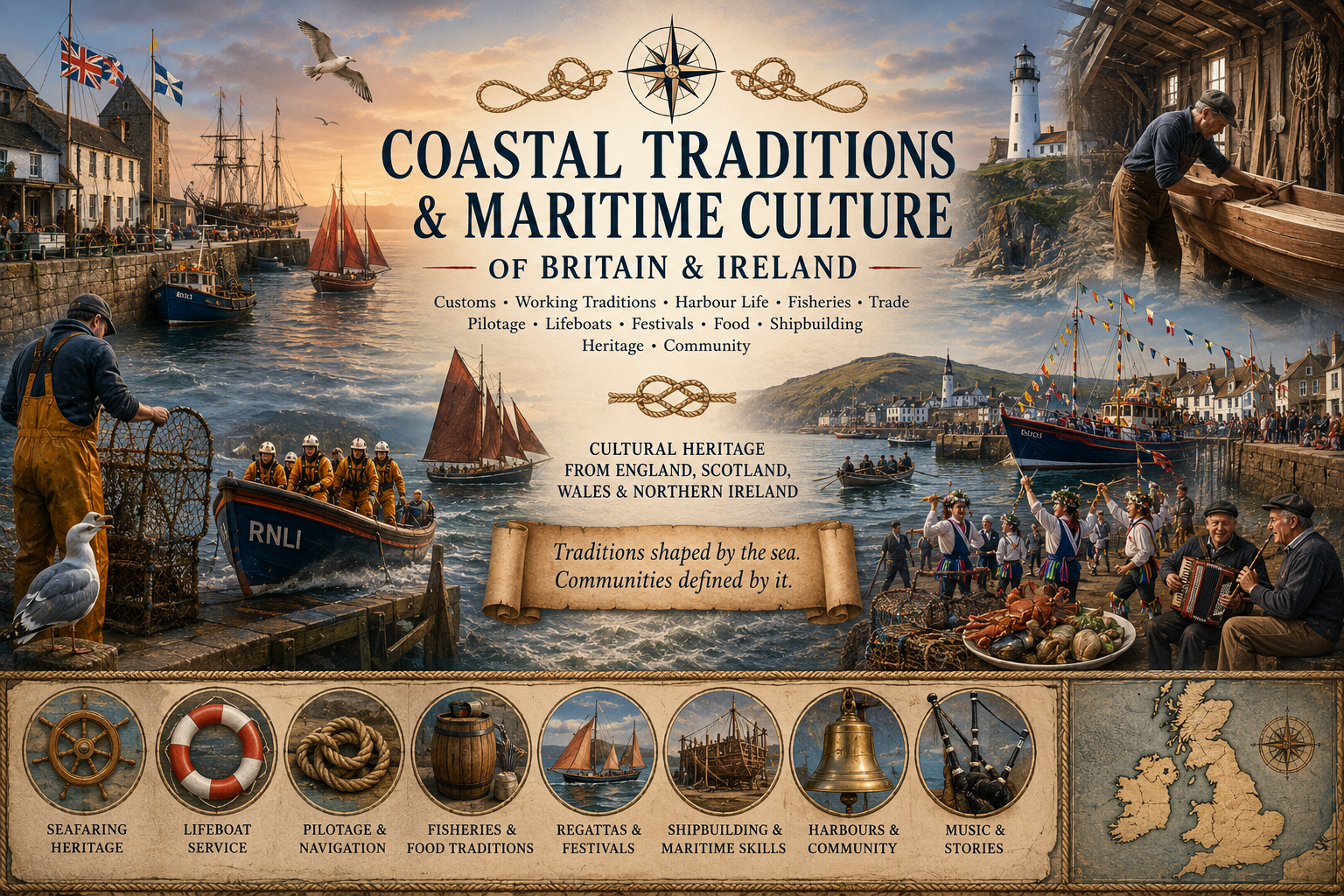
Local lifesaving is likewise part of the working maritime culture. Oban RNLI has operated since 1972 and its crews continue to respond to incidents involving fishing vessels, yachts and other craft in the surrounding sea lochs and island waters. Recent call-outs have included assistance to fishing vessels near Kerrera and operations involving local fishing boats and CalMac vessels. The lifeboat station therefore remains closely integrated with the same network of commercial and ferry traffic that defines the modern harbour.
North Argyll's maritime traditions are consequently expressed less through formal ceremony than through continuing use of the sea. Ferry crossings, fishing, livestock transport, harbour work and voluntary lifesaving all retain practical importance. The historic relationship between Oban, Kerrera and the wider island network remains evident in the movement of vessels through the Firth of Lorn and its adjoining sounds, giving the present coastline a maritime character grounded in working communications rather than heritage display.

Comments