




Viking Maritime Identity and Herring Traditions
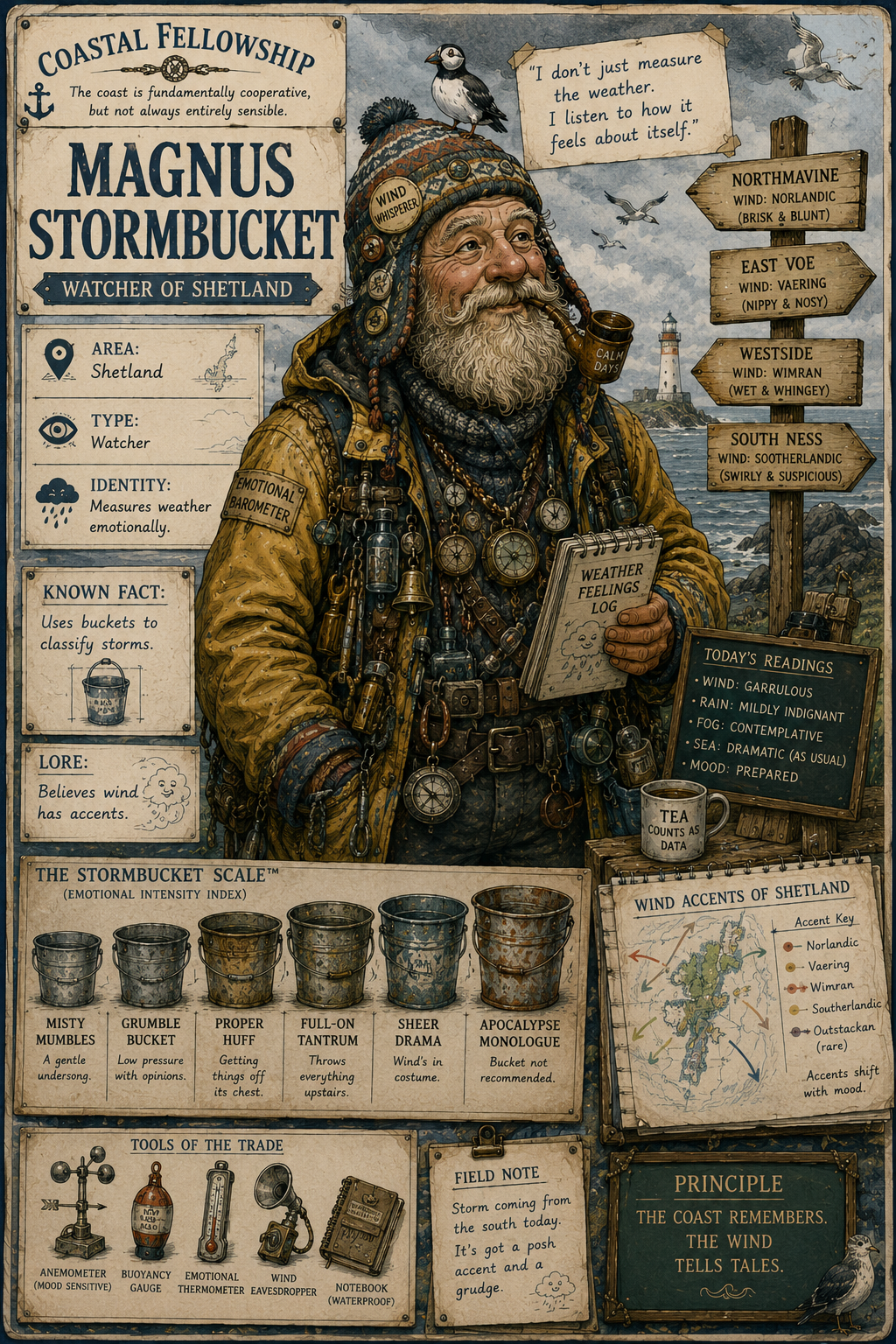
Shetland's maritime identity remains closely tied to its surrounding seas and to a pattern of settlement shaped by islands, voes, sounds and exposed Atlantic and North Sea waters. The coastline has long provided the principal means of communication between communities, while natural harbours have supported fishing, trading and local transport in conditions that demand careful judgement of tides, weather and sea state. Although cultural influences have accumulated over many centuries, the Norse inheritance continues to form a visible part of local maritime identity through place names, language, traditional boat forms and community customs. Regional variation exists between the North Isles, Mainland and the southern districts, but the sea remains the principal reference point throughout the archipelago.
The sheltered voes offered favourable anchorages for early seafarers and later became centres for fishing and coastal trade. Norse settlement established patterns of maritime occupation that persisted long after political control passed to Scotland. Small craft provided links between islands, carried livestock and produce, and supported fishing close to shore before larger vessels extended activity into more distant grounds. Boatbuilding developed around practical local requirements, with clinker-built craft reflecting Scandinavian influence while adapting to available timber and imported materials. In more recent centuries, ports such as Lerwick, Scalloway and Baltasound became established centres for fishing, commerce and administration, serving both local fleets and visiting vessels.
The nineteenth and early twentieth centuries brought substantial expansion through the herring fishery. Seasonal fleets gathered in Shetland waters during the summer fishing, filling harbours with drifters, curing stations and ancillary trades. The industry supported cooperage, net making, transport and fish processing, while many local women worked in curing yards alongside migrant gutter crews who travelled between fishing ports around Britain. Herring remained central to the islands' economy until changing fish stocks, markets and fishing methods altered the industry during the twentieth century. Remnants of curing buildings, piers and harbour layouts continue to indicate the former scale of these activities along parts of the coastline.
Traditional fishing methods varied according to locality and target species. Inshore fisheries supplied cod, saithe, haddock, shellfish and other species according to season, while crofting households commonly combined agriculture with part-time fishing. Knowledge of tidal races, submerged skerries and local weather patterns formed an essential part of practical seamanship, particularly where narrow sounds and headlands accelerated tidal streams. Such local knowledge continues to be valued by fishermen and mariners navigating waters where conditions may change rapidly despite comparatively short distances between harbours.
Community customs associated with the sea remain evident, although their emphasis has evolved with modern fisheries and transport. Boat races, harbour regattas and local sailing events continue in several districts, generally reflecting working craft traditions rather than purely recreational origins. Lerwick hosts events that acknowledge the islands' Scandinavian inheritance, most prominently the Up Helly Aa fire festival, whose ceremonial galley and maritime symbolism draw upon the enduring Norse association of the islands, although the modern festival itself dates principally from the nineteenth century rather than the Viking period. Elsewhere, local galas and harbour gatherings frequently retain practical connections with fishing communities, lifeboat support and the working waterfront.
The Royal National Lifeboat Institution has maintained an important presence in Shetland, reflecting the demands of waters regularly affected by strong winds, heavy seas and extensive offshore traffic. Lifeboat service forms part of community life in several locations, supported by volunteers and local fundraising. Maritime safety, seamanship and mutual assistance remain familiar themes among fishing crews, ferry operators and harbour users, reflecting practical necessity rather than ceremony.
Modern Shetland continues to depend upon the sea through commercial fishing, aquaculture, ferry services, offshore energy support and inter-island transport. Contemporary fishing vessels operate from established ports while smaller harbours continue to accommodate local boats serving nearby grounds. Seafood remains central to local food traditions, particularly fish and shellfish landed in surrounding waters, although methods of processing and distribution have changed considerably from the era of the herring drifters. Boat maintenance, marine engineering and harbour services continue to support active waterfronts rather than preserving them solely as historic features.
Despite technological change, continuity with earlier maritime practice remains unusually strong. Navigation between islands, familiarity with local tides, acceptance of rapidly changing weather and an enduring awareness of the sea's influence continue to shape everyday life. Viking associations remain visible through maritime symbolism and cultural memory, while the legacy of the herring fisheries survives in harbour infrastructure, community traditions and the organisation of many coastal settlements. Together these elements give Shetland a distinctive maritime character in which historical practice and present-day working life remain closely connected to the surrounding waters.
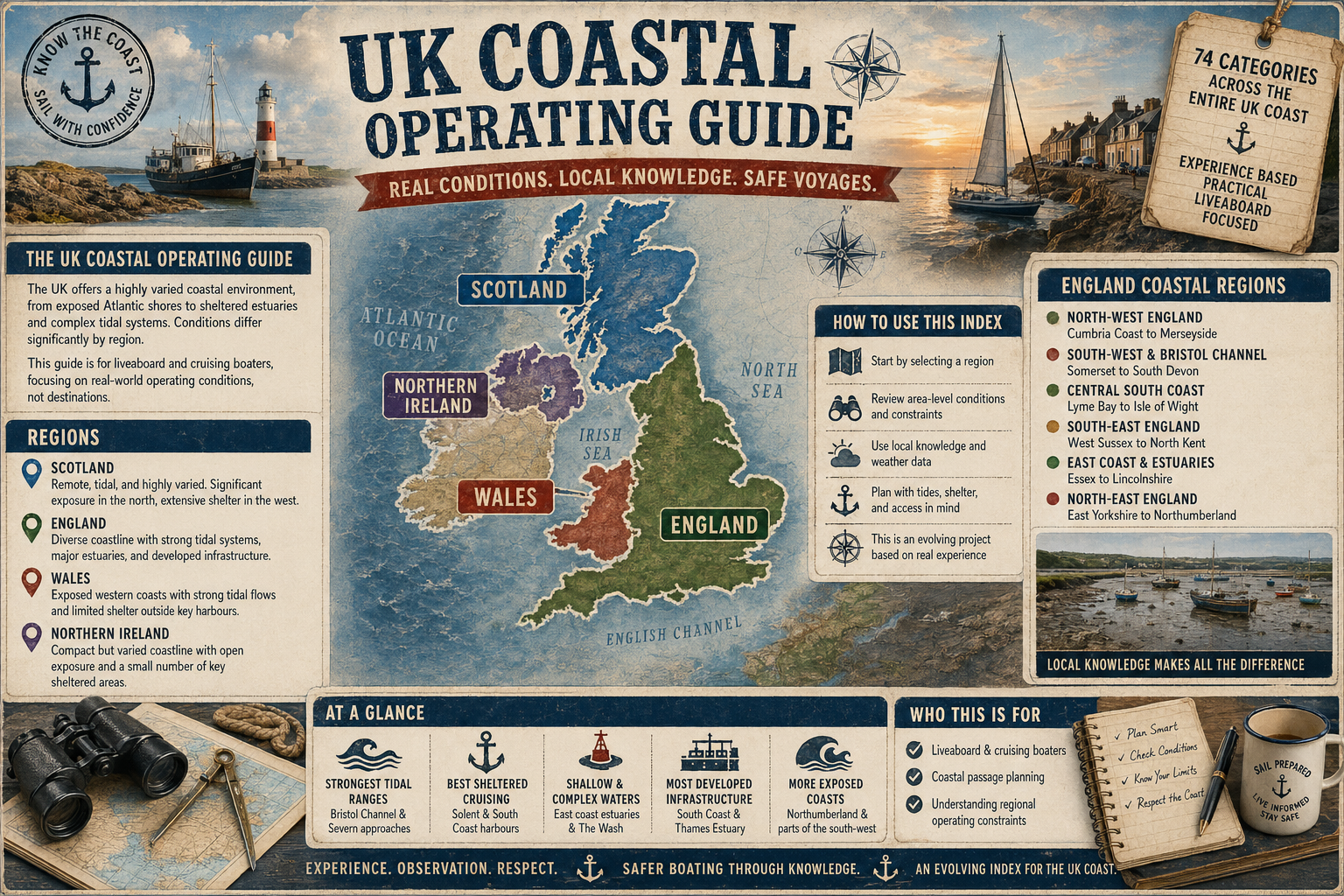
- The UK Coastal Operating Guide
- Coastal Traditions & Maritime Culture of Britain and Northern Ireland
- Coastal Myths & Legends of Britain & Northern Ireland
Comments