


Gaelic Seafaring Culture and Ferry Routes
The coasts of Skye and Lochalsh have long been shaped by movement across the sea rather than by overland communication. The Inner Sound, Loch Alsh, Loch Carron, Loch Snizort, Loch Harport and the waters separating Skye from the mainland formed practical routes linking settlements whose daily affairs depended upon tides, weather and local knowledge. Gaelic remained the principal language of many coastal communities well into the modern period, and maritime vocabulary, place names and customary navigation reflect that continuity. Although individual practices varied between districts, seafaring formed an ordinary part of community life through fishing, transport and communication between islands and neighbouring shores.
Before modern roads and bridges, regular passage by open boat connected crofting settlements, churches, markets and seasonal grazing grounds. Short crossings between Kyleakin and Kyle of Lochalsh were especially significant, while numerous smaller ferry passages served less prominent communities throughout the district. These routes depended upon experienced local boatmen familiar with rapidly changing tidal streams, narrow channels and the effects of strong south-westerly winds. Knowledge of safe landing places, drying beaches and sheltered anchorages was passed locally and remained essential before the introduction of scheduled motor ferry services.
Fishing provided an important supplement to crofting throughout much of the coastline. Herring fisheries were once of considerable seasonal importance, attracting visiting vessels as well as local crews to sheltered anchorages around Skye and Lochalsh. Whitefish, shellfish and inshore species also supported local employment, although their relative importance differed between districts and periods. Lobster, crab and creel fishing continue in many waters, while scallop dredging and aquaculture now form part of the working marine economy. Small harbours including Kyleakin, Portree, Broadford, Elgol, Dunvegan and smaller landing places around the island retain varying levels of commercial and fishing activity, though many now accommodate mixed recreational and working use.
Boatbuilding was traditionally undertaken on a modest local scale, producing craft suited to narrow sea lochs, exposed sounds and beach launching. Construction methods reflected available timber and practical requirements rather than standardised designs. Local adaptations of clinker-built boats served fishing, transport and general carriage, while repairs were often carried out within the community. Although few commercial yards now build traditional wooden working boats for everyday use, restoration projects and private ownership preserve knowledge of older construction techniques.
The sea also influenced customary gatherings and seasonal observances. Harbour regattas and community rowing events developed in several coastal settlements during the nineteenth and twentieth centuries, combining practical seamanship with local competition. More recently, the revival of St Ayles skiff rowing has reinforced inter-community links around the west coast of Scotland, including participation by crews from Skye and neighbouring districts. Such events are generally community-based rather than ceremonial and continue the practical tradition of handling small craft in sheltered coastal waters.
Ferry services remain among the clearest expressions of maritime continuity in the district. The Skye Bridge has altered travel across Loch Alsh, but regular ferries continue to connect communities where no fixed crossing exists. Services linking Skye with the Outer Hebrides and with the smaller neighbouring islands preserve the long-established function of the sea as the principal transport corridor. While vessels and operating methods have changed substantially, the dependence upon reliable marine communications remains evident, particularly where alternative routes involve considerable distance.
Modern fishing fleets operate alongside passenger ferries, aquaculture support vessels, yachts and commercial shipping using the Inner Sound and adjacent sea lochs. Marine fish farming has become an established coastal industry in several sheltered waters, bringing specialised workboats and service craft into areas formerly occupied mainly by fishing vessels. Although this represents a significant change in the working waterfront, it continues the longstanding pattern of local employment being closely tied to the sea.
Gaelic cultural continuity remains visible in maritime place names, local speech and community identity. Many coastal names describe channels, anchorages, reefs or tidal conditions with considerable precision, reflecting generations of practical observation. Oral knowledge concerning weather, tides and safe passages survives among fishermen, ferrymen and experienced local mariners, even though modern navigation increasingly relies upon electronic aids. Such knowledge remains relevant in waters where strong tidal streams, sudden squalls and restricted passages continue to demand careful seamanship.
The area also maintains a close association with volunteer maritime rescue. Lifeboat stations serving nearby waters, together with coastguard personnel and local vessels, continue a tradition of mutual assistance that has long characterised communities dependent upon coastal navigation. Assistance between mariners remains an accepted part of safe practice in sea lochs and sounds where conditions may change quickly.
Today the maritime culture of Skye and Lochalsh is defined less by preservation than by continued everyday use. Fishing, ferry operation, aquaculture, harbour activity and small-craft navigation remain active elements of coastal life, while Gaelic language and local maritime knowledge provide continuity with earlier patterns of seafaring. Despite changes in transport and industry, the surrounding waters continue to shape movement, employment and community connections much as they have for generations.
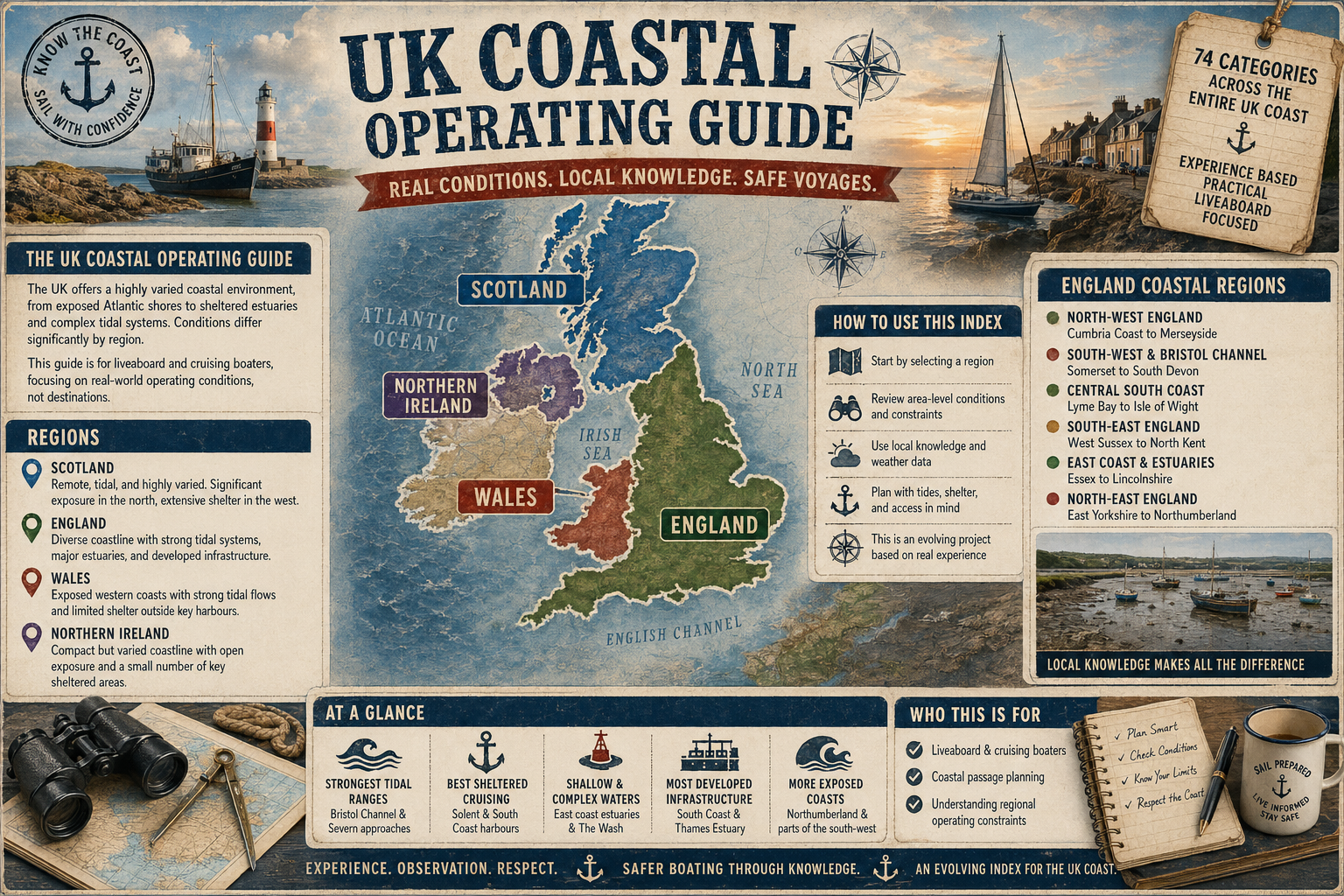
- The UK Coastal Operating Guide
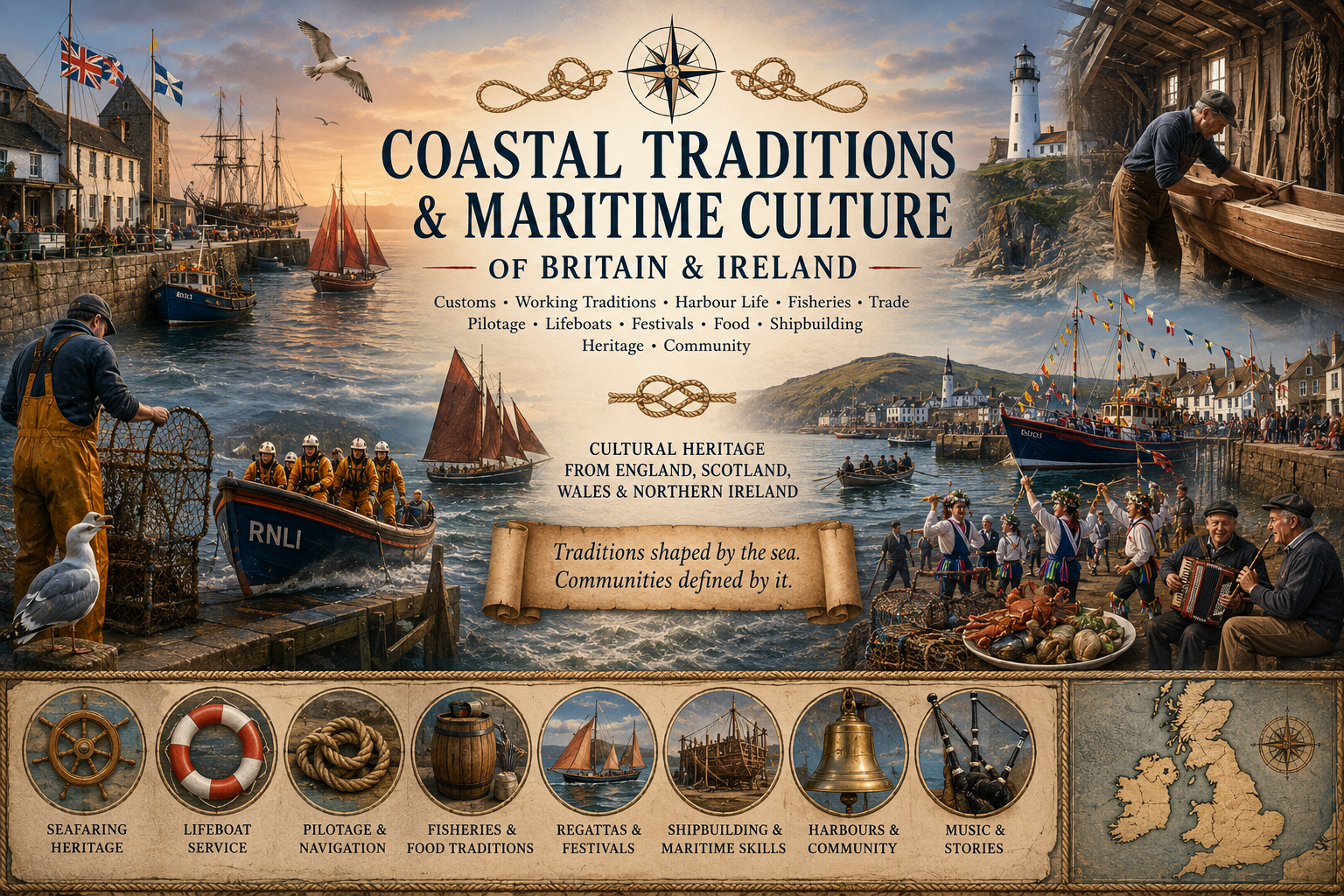
- Coastal Traditions & Maritime Culture of Britain and Northern Ireland
- Coastal Myths & Legends of Britain & Northern Ireland
Comments