




Sea pilotage and island ferry traditions
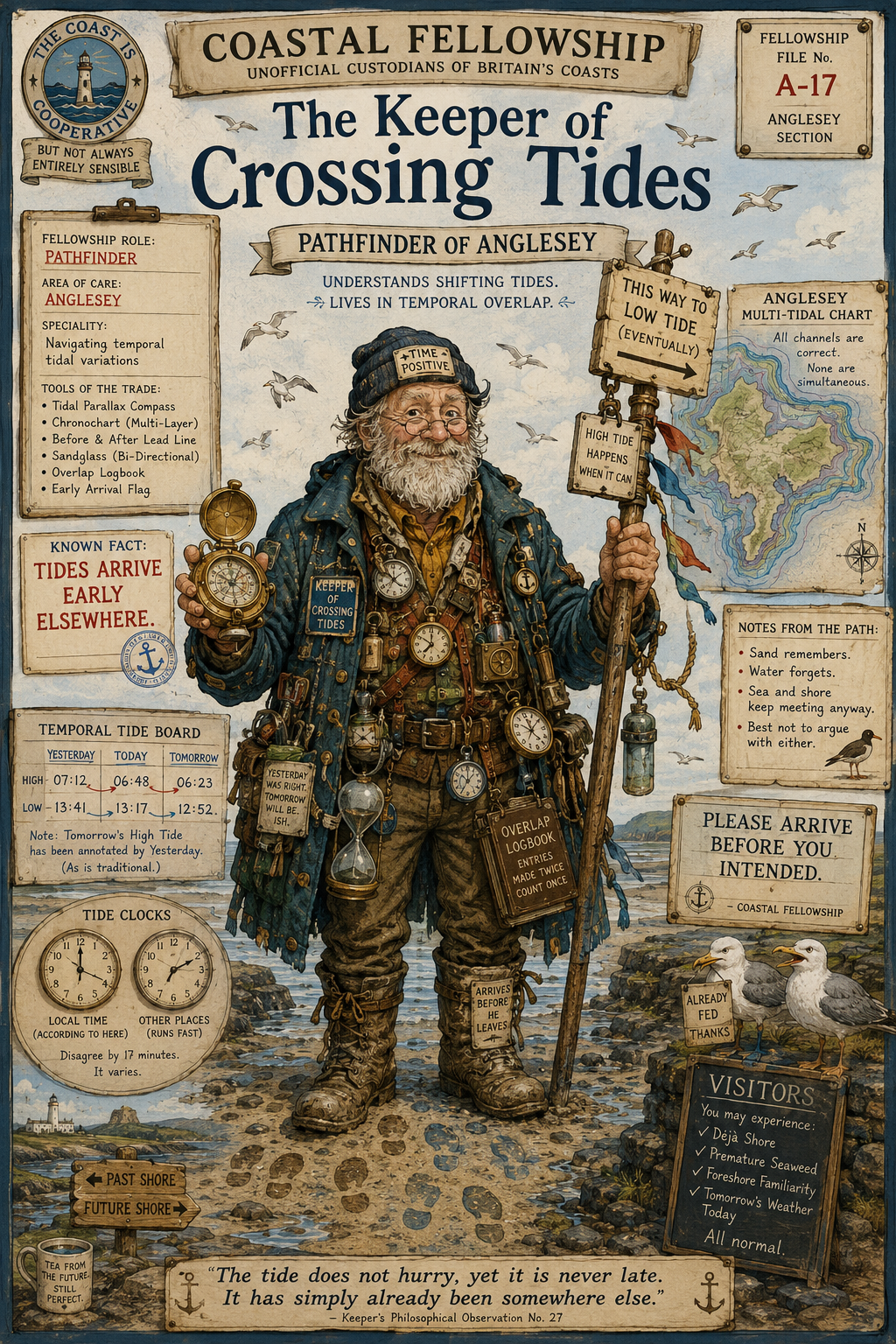
Anglesey (Ynys Môn) has a maritime culture shaped by its position between the Irish Sea and the mainland waters of north-west Wales. The Menai Strait, with its strong tidal streams and confined channels, has long required local knowledge, while the exposed approaches to Holyhead and the smaller harbours of the island have supported pilotage, fishing, ferrying and coastal trade. The character of the coastline remains closely connected with navigation: tides, harbour entrances, working moorings and the passage of commercial vessels continue to influence daily maritime practice.
The Menai Strait was historically an important local waterway, but it was not a simple sheltered passage. Tidal streams through the Strait can run strongly, particularly around the bridges, narrows and approaches to Puffin Island. Knowledge of the timing of tides and of safe passages was therefore an important part of local seamanship. Before modern navigation aids and engines, crossing between Anglesey and the mainland depended on ferries, boats and the judgement of men familiar with the channels. Ferrying remained a practical means of communication between communities on either side of the Strait before the construction of the Menai Bridge and later road connections altered the pattern of movement.
At Holyhead, maritime activity developed on a much larger scale. The harbour became a principal point of departure for Ireland, and its modern role continues to centre on the Irish Sea route to Dublin. Pilotage remains an established professional function at Holyhead Port, where pilots and pilot-boat crews operate within a harbour and approach system requiring formal navigational procedures. The port's present commercial traffic, including ferries and other large vessels, represents a direct continuation of Anglesey's role as an important staging point for Irish Sea shipping.
Elsewhere on the island, Amlwch provides a different example of working harbour culture. Its development was closely connected with the copper industry of Parys Mountain, which brought shipping, shipbuilding and associated maritime trades to the port during the eighteenth and nineteenth centuries. Fishing also formed part of the coastal economy. Amlwch remains a working harbour, with local fishermen and charter-boat operators using its facilities alongside other maritime interests. Moorings and harbour infrastructure continue to be maintained for these users, demonstrating that the port retains a practical rather than purely historical maritime function.
Menai Strait communities also retain a culture of organised water use. Rowing races and other small-boat events are periodically held from Beaumaris, while heritage sailing and traditional boat activity form part of the contemporary maritime scene. Such events are regulated through local harbour notices because the Strait is now shared by commercial vessels, fishing boats, recreational craft and organised rowing or paddling groups. This mixture of uses is characteristic of the modern waterway, where traditional forms of boat handling coexist with increasingly varied recreational traffic.
The island's maritime customs are therefore less a matter of formal ceremony than of working knowledge and continued use. Mooring, pilotage, ferry operation, fishing and small-boat handling all depend on an understanding of local tidal conditions. The Menai Strait remains a closely managed navigation, and present-day safety guidance places emphasis on considerate operation between different classes of water user. In the larger ports, professional harbour and pilotage procedures continue alongside services concerned with crews, vessels and arriving fishery products.
Anglesey's maritime character is consequently still evident in its working waters. Holyhead remains an international ferry port; Amlwch retains commercial and fishing activity; and the Menai Strait continues to demand careful attention to tide, traffic and confined navigation. The continuity lies not in a single island-wide custom, but in the persistence of practical seafaring knowledge and in the continued use of waters that have long connected Anglesey's communities with the mainland and the wider Irish Sea.
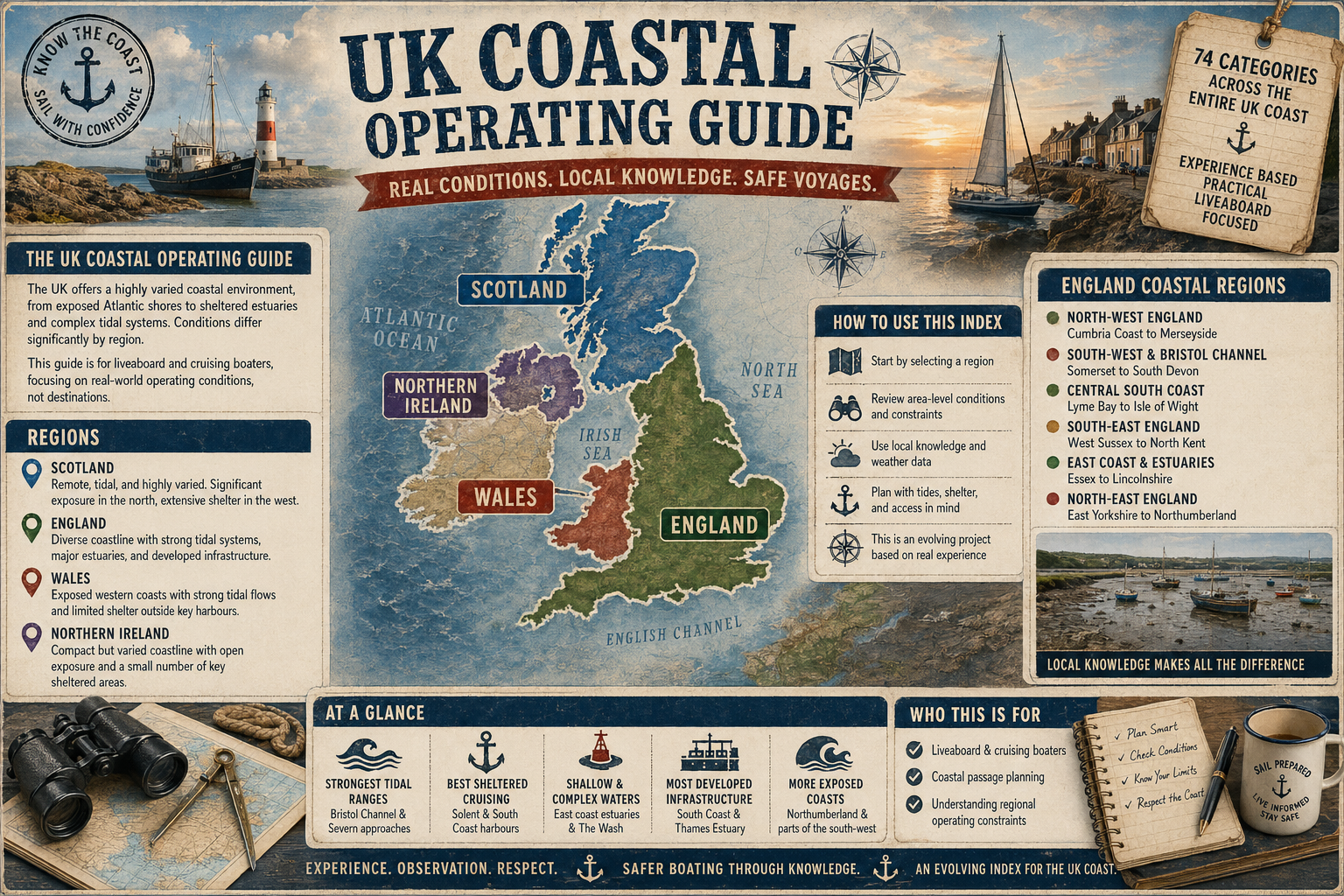
- The UK Coastal Operating Guide
- Coastal Traditions & Maritime Culture of Britain and Northern Ireland
- Coastal Myths & Legends of Britain & Northern Ireland

Comments