




Coastal Farming Ports and Bristol Channel Pilotage
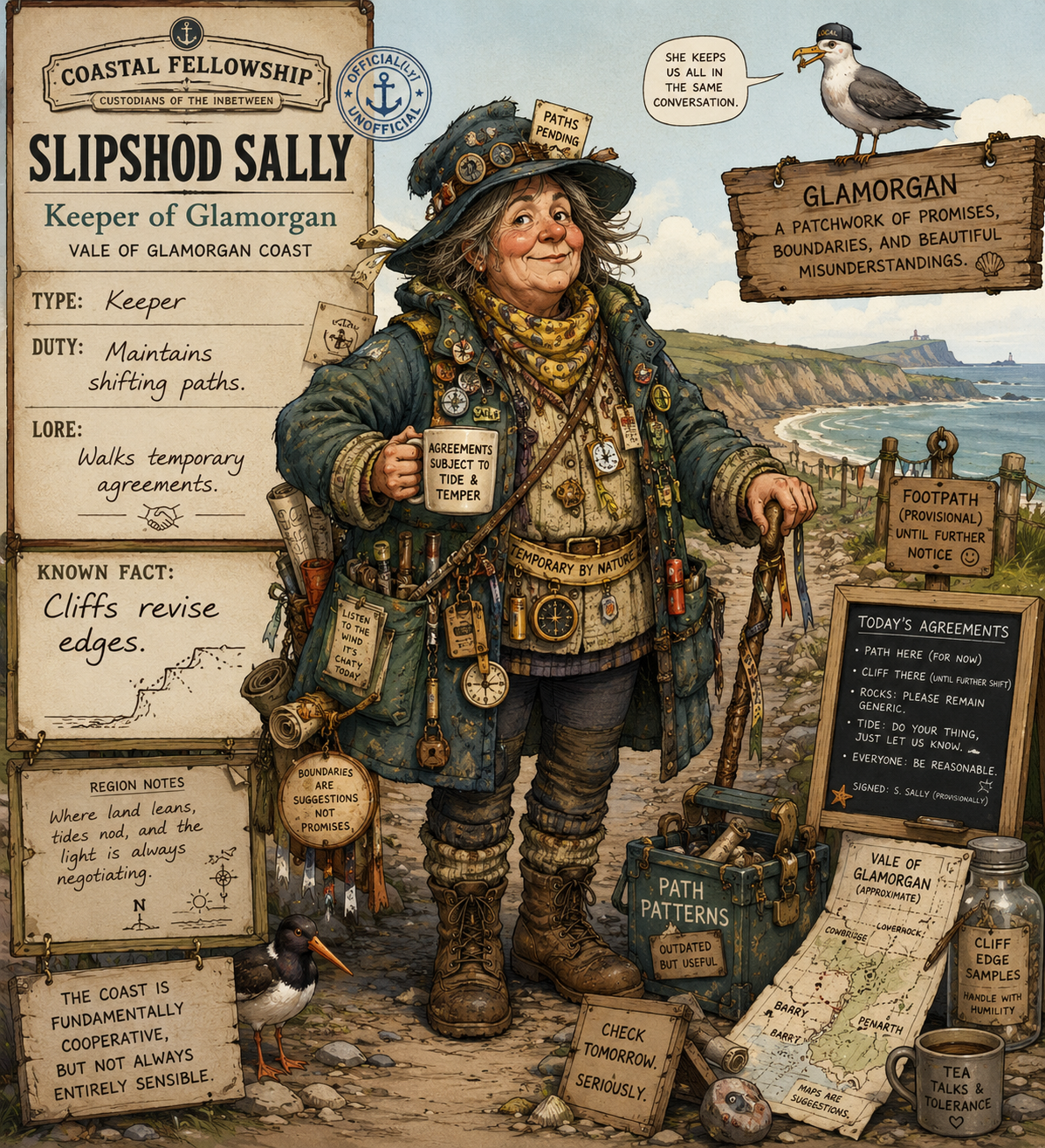
The Vale of Glamorgan coast occupies the northern shore of the central Bristol Channel, where a succession of small harbours, landing places and cliffs is exposed to one of the world's greatest tidal ranges. Maritime life has long been shaped less by deep-water commerce than by the practical demands of navigating strong tidal streams, drying approaches and rapidly changing sea conditions. Much of the coast supported farming communities with seasonal access to the sea, while a limited number of harbours developed as local trading ports. The surviving cultural record is fragmentary, with many traditional practices disappearing during the twentieth century, although aspects of working seamanship remain evident in local waters.
The principal maritime association of the district has historically been with coastal trade and Bristol Channel pilotage. Before the widespread adoption of modern navigational systems, vessels entering or leaving the Channel commonly relied upon pilots familiar with its extensive shoals, powerful currents and confined approaches. Knowledge of local tides, offshore banks and the timing of passages was acquired through practical experience and passed between successive generations of seafarers. Although pilotage became increasingly organised under statutory authorities, its foundations remained firmly based upon detailed local knowledge of the Channel's demanding conditions.
Small ports including Barry, Penarth and Llantwit Major each served differing maritime purposes over time. Barry developed into a major coal-exporting port during the late nineteenth century, fundamentally altering the scale of shipping along this section of coast. Earlier harbours had handled agricultural produce, limestone, timber and general coastal cargoes, with vessels trading to ports around the Bristol Channel and the wider western seaboard. The movement of farm produce from coastal communities reflected the close relationship between agriculture and small-scale maritime transport before the improvement of inland communications.
Fishing formed a secondary occupation in several settlements, although few communities depended entirely upon it. Inshore fishermen worked grounds according to seasonal opportunity, taking species appropriate to local waters while remaining attentive to the strong tides that frequently restricted working hours. Shellfish gathering also occurred where suitable foreshore conditions allowed, although practices varied between localities and documentary evidence is incomplete. Small boats were commonly adapted for both fishing and general harbour work, reflecting the mixed nature of local maritime employment.
The Bristol Channel's exceptional tidal range influenced nearly every aspect of harbour operation. Many traditional landing places dried completely at low water, requiring careful timing for departures, arrivals and the loading of cargo. Local seamanship therefore placed considerable emphasis upon tide tables, weather judgement and familiarity with harbour entrances. These practical skills remained essential even where commercial activity was modest, and they distinguished the working habits of Channel mariners from those in areas with less pronounced tidal variation.
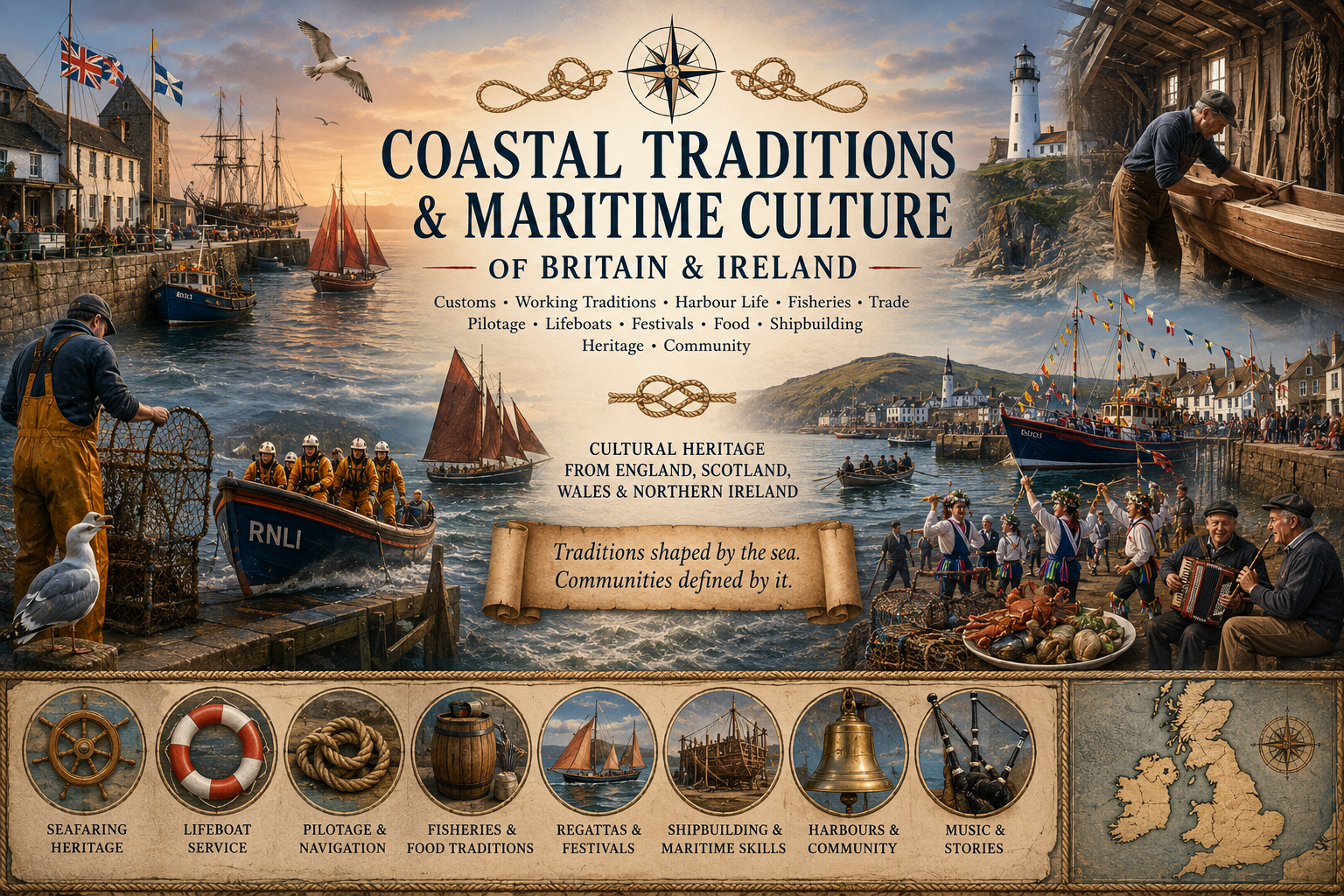
Formal maritime customs have never been especially numerous along this coast, and many were closely connected with the working year rather than ceremonial observance. Regattas developed in several harbours during the nineteenth and twentieth centuries, combining yacht racing, rowing and small-boat competitions with local community events. While these occasions reflected changing recreational use of the coast, they also maintained visible links with practical boat handling and seamanship. Their character has varied between ports and has often depended upon local sailing clubs or harbour organisations rather than older communal traditions.
Lifeboat service has likewise formed an enduring feature of the coastline. The exposed nature of the Channel, together with commercial traffic entering Cardiff, Barry and neighbouring ports, has required organised rescue capability over many years. Volunteer lifeboat crews continue a tradition of practical coastal service rather than ceremonial observance, supported by local communities familiar with the hazards created by heavy seas, tidal races and rapidly changing weather. This aspect of maritime culture has shown greater continuity than many earlier occupations.
Modern activity is centred largely upon recreational sailing, marina operations, yacht racing and small commercial craft, while the large-scale coal trade that once dominated Barry has long since declined. Fishing survives on a limited scale, and working knowledge of local tides remains indispensable to both professional and leisure mariners. Harbour authorities, sailing organisations and rescue services continue to preserve practical understanding of Bristol Channel navigation, although much traditional occupational knowledge is now recorded rather than routinely inherited within seafaring families.
The maritime culture of the Vale of Glamorgan coast is therefore characterised less by elaborate custom than by adaptation to an exacting stretch of water. Fragments of older fishing, pilotage and coastal trading traditions remain identifiable alongside modern harbour use, while the exceptional tidal conditions of the Bristol Channel continue to define the practical relationship between local communities and the sea.
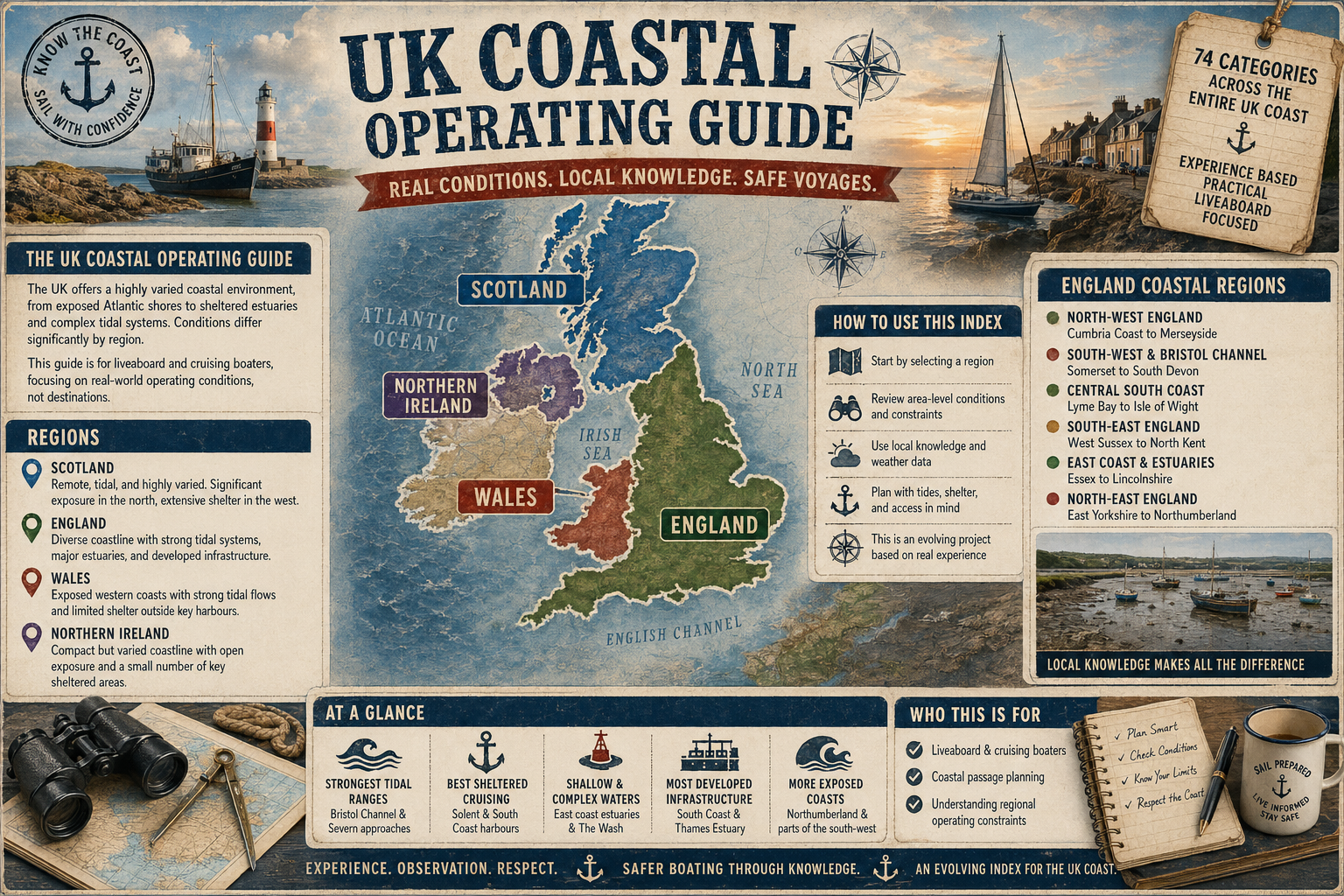
- The UK Coastal Operating Guide
- Coastal Traditions & Maritime Culture of Britain and Northern Ireland
- Coastal Myths & Legends of Britain & Northern Ireland

Comments