
Jack Allen is the driving force behind HamstersAHOY!—the former Royal Navy seamanship rating, professional boat skipper, boat builder, and Project Manager who decided that a neglected 1980s steel trawler was the perfect candidate for a 60ft liveaboard conversion.
Every decision Jack makes is grounded in practical experience, risk awareness, and applied marine science. From hull repairs to onboard systems, he brings structure and discipline to a project that occasionally looks like chaos from the outside.
A Little About Jack
♦ Extensive experience in marine operations, project management, and construction site management
♦ Formal Natural Sciences education (Physics, Chemistry, Earth Science, Biology, Ecology, Environmental Science)
♦ RYA Day Skipper, SMSTS, Electrician, Alarms Systems Engineer, Scaffolder, Heavy Plant and Telehandler Operator
♦ Prolific writer and documenter of hands-on boating and liveaboard conversion experience
Jack and Pedro
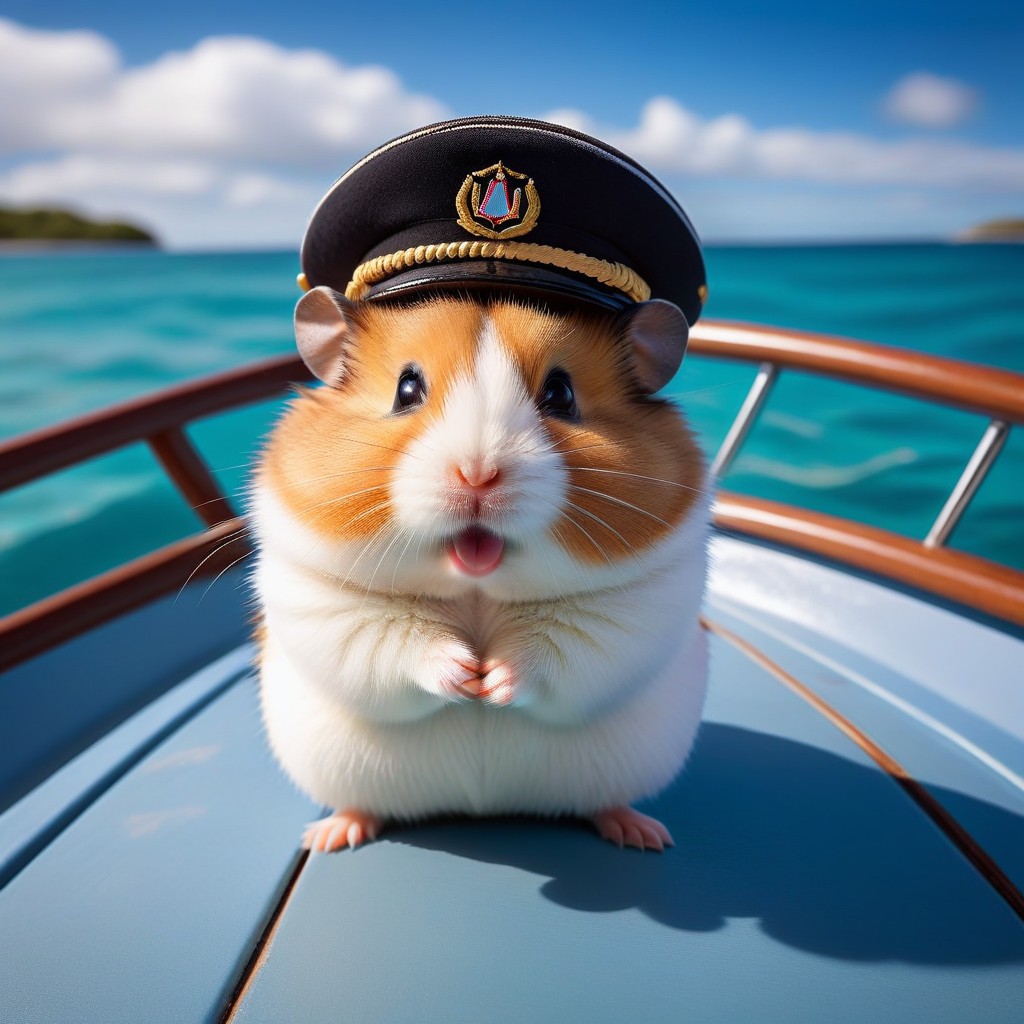
Pedro, the slightly bewildered hamster, provides moral support and occasional perspective on the conversion project. While he cannot operate a diesel engine, Jack values the calm example Pedro sets—proof that even in a rolling anchorage, keeping perspective is critical.
Together, Jack and the team tackle the boat in stages, documenting successes, mistakes, and lessons learned. This approach ensures the project remains practical, safe, and ultimately achievable, even if the occasional absurdity creeps in.
Next in the Series
Meet the rest of the crew—some slightly more eccentric than others. Next: Esmeralda Gonzales
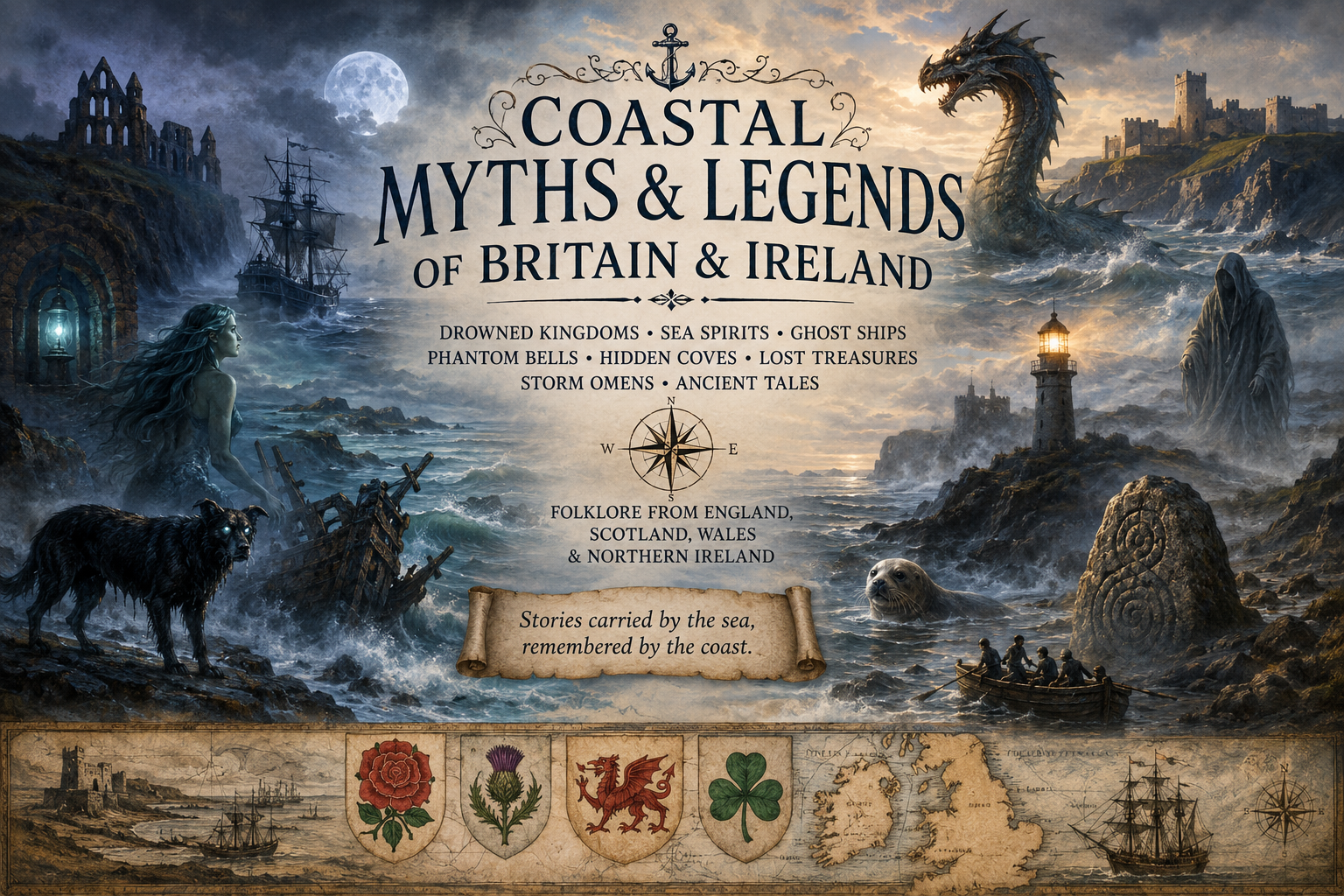
Coastal Myths & Legends of Britain & Northern Ireland
Britain and Ireland possess one of the richest maritime folklore traditions in Europe. For centuries, sailors, fishermen, pilots, traders and coastal communities passed down stories of drowned kingdoms, phantom bells, sea spirits, ghost ships, hidden coves, dangerous tidal waters and strange creatures said to haunt remote shores.
The maritime folklore associated with Anglesey is closely bound to early classical references to the island of Mona, as it was known to Roman authors, and to later antiquarian interpretations of Druidic practice along the north-west Welsh coast. In pilotage terms, the island lies exposed to the Irish Sea, with strong Atlantic swell setting in from the west and complex tidal streams running through the adjacent Menai Strait. Within this physical setting, accounts of ritual use of the shoreline by pre-Roman religious authorities have been repeatedly reinterpreted, though the historical detail remains limited and must be treated with caution.
Morecambe Bay, forming a broad embayment on the north-west coast of England between Lancashire and Cumbria, is notable in pilotage for its extensive intertidal sands and rapidly advancing tidal bore channels. Within local seafaring tradition and coastal recollection, it has long been associated with accounts of travellers misjudging the stability of its sandflats, where firm-looking ground may give way to deeper channels or soft mud beneath a thin crust of sand. Such accounts, repeated across generations of pilots, fishers and shoreworkers, have contributed to a cautionary reputation that remains relevant to navigation and landward crossings alike.
The Firth of Lorne, lying between the Argyll mainland and the Isle of Mull, is a broad and exposed coastal waterway where Atlantic weather systems frequently produce low cloud, drifting fog, and intermittent sea mist. Within pilotage notes and local seafaring recollection, there exists a restrained tradition of distant, indistinct vessel sightings in such conditions, occasionally described in older accounts as “ghost galleys” or phantom shipping. These references are not tied to any single documented legend but instead reflect a broader pattern of maritime misperception in variable visibility.
The Thames Estuary at 02:17 is never truly silent, but tonight it felt crowded with something that wasn’t shipping traffic. I had the con, trimming speed to keep us steady on the ebb set past the Middle Deep. Visibility was good—five miles and a smear of sodium glow from shore—but the radio insisted otherwise.
03:06, and the sea had gone quiet in the way it does when it is paying attention to something other than you.
We were off **Morecambe Bay**, where the charts always look slightly apologetic, as though they’re aware they cannot possibly keep up with what the tide intends to do next. The shore lay out there somewhere in the dark—except “shore” is too confident a word for something that keeps rearranging itself.
02:43, and the vessel had reached that particular state of quiet where every noise feels like it has filed a report in advance.
We were holding position off **Lizard Point**, the southernmost tip of mainland Britain. The charts were reassuring. The weather was cooperative. The sea, however, had adopted an expression.
- Esmi and the Shingle That Remembers
- The Old Saltway Beyond the Marsh
- The Lantern Room at Lizard Point
- Captain Pedro and the Formal Standardisation of Beach Huts Along the West Sussex Coast
- Captain Pedro and the Immediate Structural Concerns Regarding Durdle Door (And Its Questionable Commitment to Being a Door)